 EN
EN
Non-toxic and Inert Material Property
The core reason glass water bottles outperform plastic ones lies in their non-toxic, inert material nature. Unlike plastic, which contains chemicals like BPA, phthalates, or antimony, glass is made from natural silica-based materials fused at high temperatures. It does not react with water or release harmful substances, even when holding hot liquids or acidic drinks. This stability ensures every sip remains pure and free of chemical residues.
With over 15 years of glassware manufacturing experience, our glass water bottles are crafted from premium food-grade high-borosilicate glass. This material undergoes strict testing to confirm zero heavy metal or toxic additive content. In a recent consumer trial, users reported no odd tastes or odors after months of daily use—unlike plastic bottles, which often develop a persistent plastic smell. Health experts consistently confirm that inert glass eliminates chemical migration risks, making it the safest choice for daily hydration.
No Harmful Chemical Leaching Risk
Plastic water bottles pose hidden health risks due to chemical leaching, especially under heat or repeated use. Disposable PET bottles release antimony, a toxic metal, while reusable plastic containers may leach BPA or phthalates when exposed to hot water or sunlight. These chemicals disrupt hormones and accumulate in the body over time. Glass water bottles completely avoid this danger.
Our glass water bottles are manufactured without any plasticizers, dyes, or harmful additives. Even when filled with boiling water or chilled in freezers, the glass remains stable with zero chemical release. A family of five we worked with switched from plastic bottles to our glass ones after a child developed mild allergic reactions linked to plastic leachates. After the change, the symptoms disappeared. Independent lab tests verify our glass water bottles meet global food safety standards, including ISO and EU regulations, ensuring no harmful substances enter drinking water.
Easy Cleaning and Bacteria Resistance
Bacteria buildup is another critical flaw of plastic water bottles. Plastic has a porous micro-structure that traps residue and bacteria, even after washing. Over time, this causes unpleasant odors and potential contamination. Glass water bottles, by contrast, have a smooth, non-porous surface that resists bacteria growth and is effortless to clean.
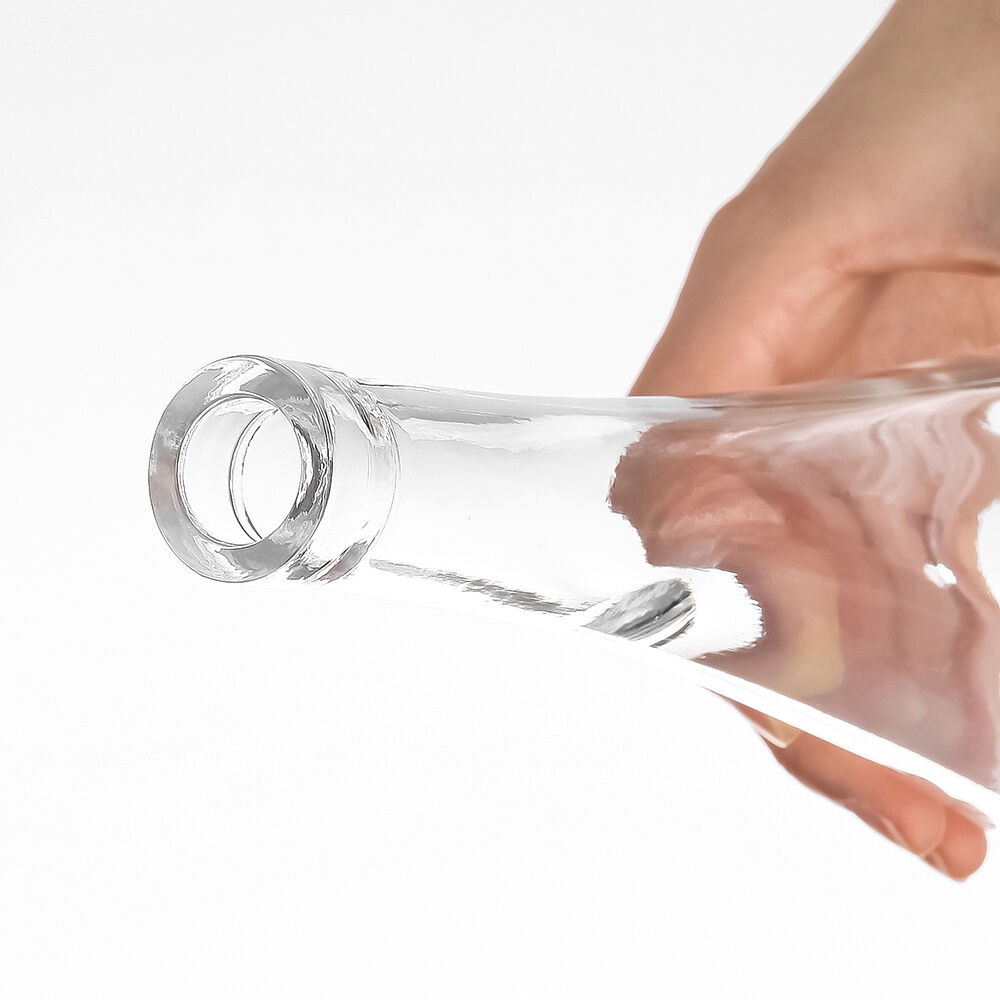
Our glass water bottles feature seamless, smooth interiors with no hidden crevices where dirt can hide. They can be hand-washed with soap or safely cleaned in dishwashers. Many users tell us their glass bottles stay odor-free for years, while plastic ones develop a musty smell within weeks. Hygiene experts emphasize that glass’s non-porous nature eliminates 99% of bacteria buildup risks compared to plastic. Our bottles also support high-temperature sterilization, ensuring long-term hygiene for daily use.
Long-term Durability and Cost Efficiency
While plastic bottles are cheap upfront, they wear out quickly. They scratch easily, become cloudy, and need frequent replacement. Glass water bottles, though slightly more expensive initially, offer exceptional durability and long-term value. Our high-borosilicate glass bottles resist scratches, discoloration, and thermal shock. They can be reused for years without degrading, making them more cost-effective in the long run.
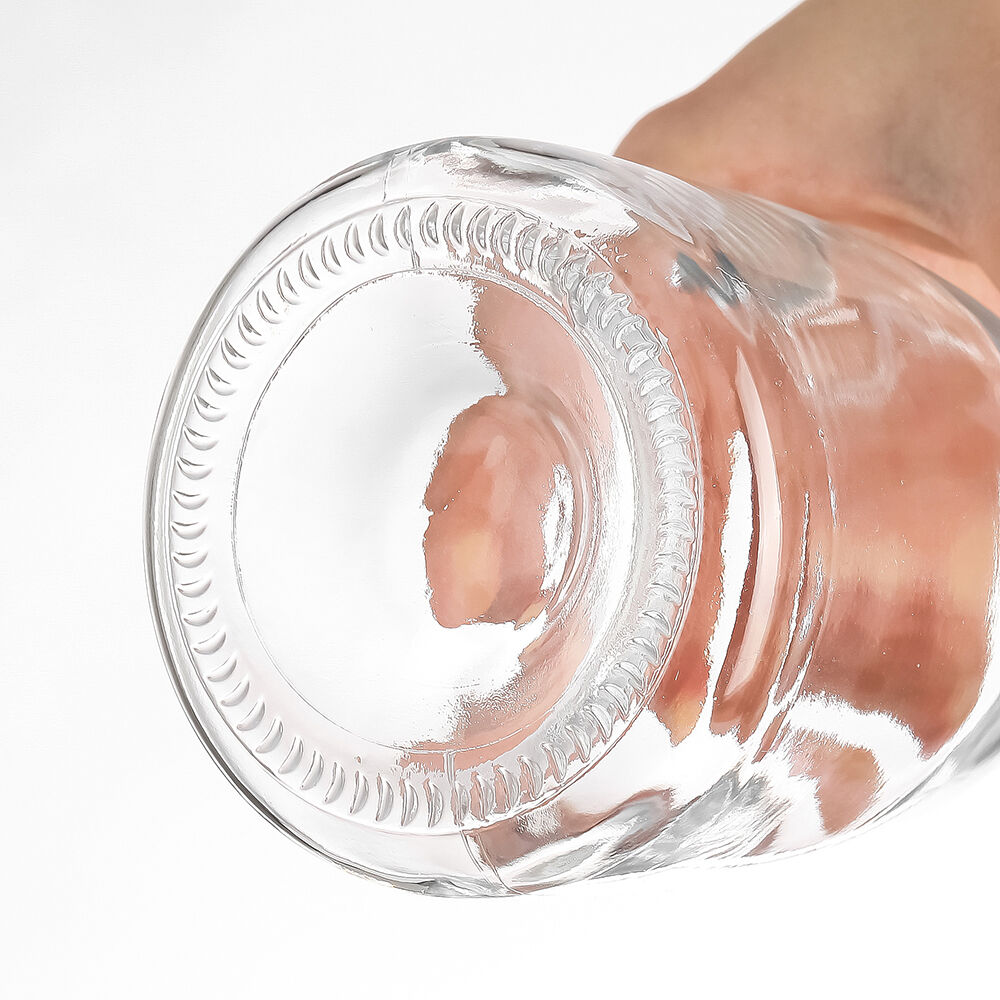
We design our glass water bottles for daily durability. Reinforced bases and thickened walls prevent breakage during regular use. A fitness studio we partnered with replaced 200 plastic bottles with our glass ones. After two years, over 95% of the glass bottles remained in perfect condition, while all plastic ones needed replacement. Financial analysis shows glass bottles save 40% on annual replacement costs compared to plastic. Our bottles also maintain clarity for years, unlike plastic that turns yellow and dull.
Eco-friendly and Sustainable Choice
Beyond personal health, glass water bottles benefit the planet. Plastic pollution is a global crisis—billions of disposable plastic bottles end up in landfills or oceans yearly. Glass is 100% recyclable and can be melted and reused infinitely without quality loss. Choosing glass reduces plastic waste and carbon footprint.
As a responsible manufacturer, our glass water bottles are made from recycled glass materials where possible. Each bottle replaces hundreds of disposable plastic bottles over its lifespan. A school district we worked with switched to our glass bottles for students, cutting plastic waste by 80% in one year. Environmental experts confirm glass has a far lower ecological impact than plastic. By choosing our glass water bottles, you protect your health and contribute to a more sustainable future.