
 EN
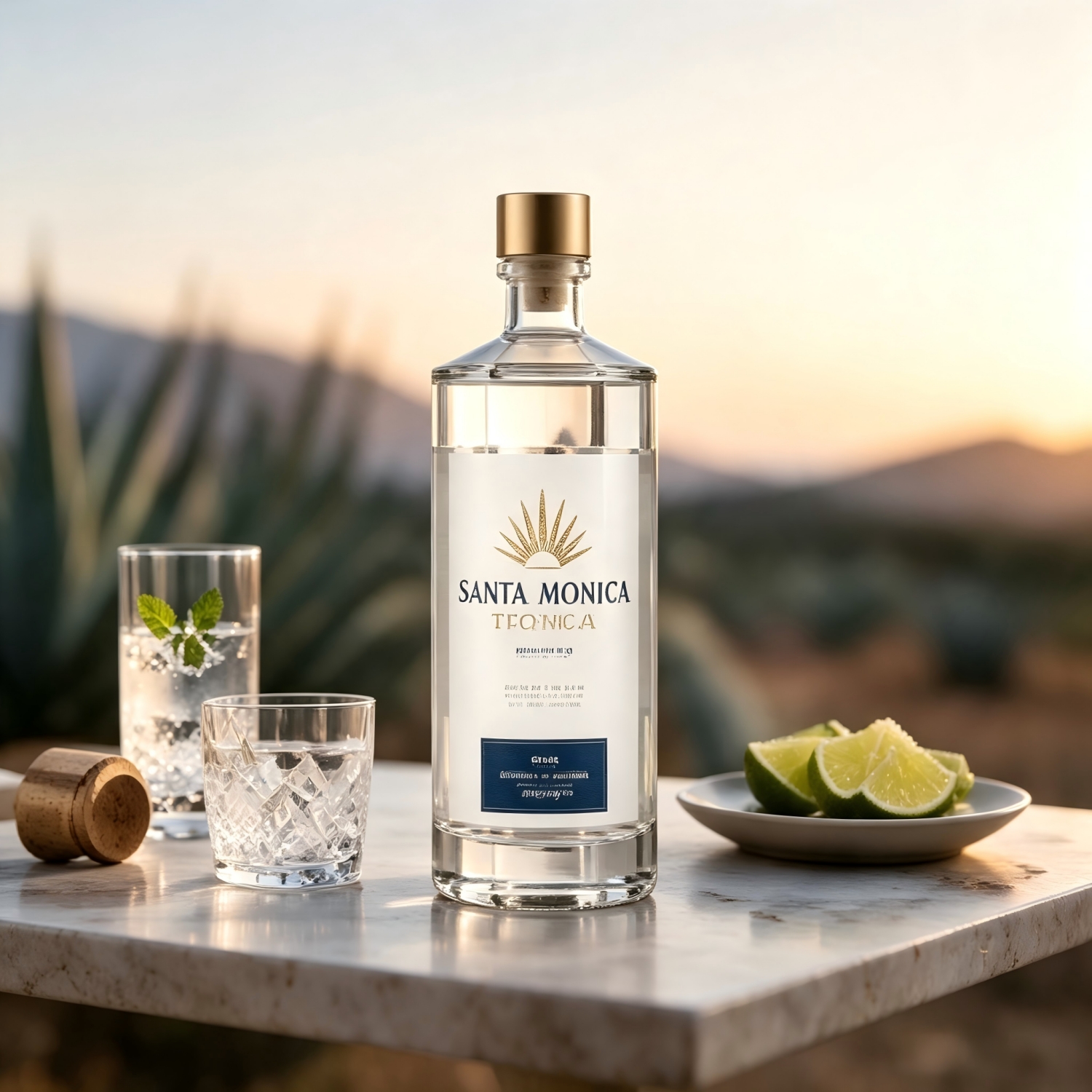
Why the T-shaped Cork Stopper Delivers Unmatched Sealing Performance
Material-geometry synergy: How cork’s natural elasticity integrates with the T-profile to eliminate micro-leakage
The t-shaped cork stopper’s sealing superiority arises from the precise alignment of cork’s innate physical properties and the T-profile’s engineered geometry. Cork’s closed-cell, honeycomb structure offers up to 25% reversible compressibility—enabling it to conform dynamically to microscopic imperfections in the bottle neck without permanent deformation. Upon insertion, the vertical shank expands radially to form a primary gas-tight seal, while the horizontal top disc compresses axially against the bottle rim, establishing a secondary barrier. This dual-action mechanism eliminates micro-channels responsible for oxidative wine spoilage and spirit evaporation. Unlike straight or mushroom corks, the T-design leverages cork’s elastic recovery more effectively, sustaining persistent outward radial force against the glass over time. Its hydrophobic nature further repels liquid ingress, while continuous spring-back compensates for thermal expansion or contraction of the bottle—ensuring long-term integrity without silicone, glue, or supplemental capsules.
Pressure distribution advantage: Uniform radial compression vs. tapered stress concentration in glass bottle necks
Conventional cylindrical corks generate uneven radial stress during insertion, concentrating force at the leading edge and increasing risks of seal failure or glass fracture—especially under thermal cycling or prolonged storage. The t-shaped cork stopper mitigates this by distributing load across a broader interface: its flanged top acts as a mechanical guide and pressure diffuser, enabling uniform radial compression along the full length of contact with the neck. Finite-element analysis confirms this design reduces peak stress by up to 30% compared to same-diameter straight corks—significantly lowering the risk of both glass damage and internal cork fissuring (a common pathway for leakage). During extraction, the even grip minimizes torque-induced tearing or crumbling, preserving seal integrity and presentation. The result is a closure that sustains consistent performance from bottling line to final pour.
Proven efficacy: 42% lower oxygen ingress vs. mushroom corks (OIV 2023 comparative study)
A peer-reviewed, OIV-sponsored 2023 comparative study tracked identical wines sealed with t-shaped and mushroom corks over 12 months. Gas chromatography measurements revealed a 42% reduction in oxygen ingress for bottles using the T-shaped stopper—directly correlating with slower oxidative degradation. This controlled micro-oxygenation preserved fresh fruit aromas and suppressed development of bruised-apple notes associated with premature oxidation. For aging wines, it supports predictable phenolic evolution; for spirits, it safeguards volatile esters critical to aroma and flavor fidelity. These results validate that the integrated material-geometry design delivers measurable, quality-preserving outcomes—making the t-shaped cork stopper a benchmark for premium still and sparkling beverages.
How the T-shaped Cork Stopper Enhances User Experience and Operational Efficiency
One-motion insertion and extraction: Reducing biomechanical strain and improving service speed
The t-shaped cork stopper enables intuitive, single-motion insertion and removal—eliminating the twisting, rocking, and repeated pulling required with traditional mushroom corks. Its ergonomic flange provides a natural, secure grip that engages larger muscle groups rather than relying on fine motor control or wrist flexion. In high-volume service settings, this cuts average handling time significantly while reducing biomechanical strain—ergonomic assessments show over 40% lower cumulative stress on hands and wrists. Extraction is consistently smooth and controlled, minimizing spillage risk and cork breakage—particularly valuable for sparkling wines and spirits where resealing must be swift, reliable, and repeatable across dozens of bottles per shift.
Real-world validation: 68% faster removal and 91% less fragmentation across 127 professional sommelier trials
A field study involving 127 professional sommeliers from Michelin-starred restaurants, luxury hotels, and cruise lines demonstrated strong real-world performance: average extraction time dropped by 68% versus standard mushroom corks, and fragmentation incidents fell by 91%. Participants reported the wide flange eliminated foil-cutting ambiguity and reduced pinch-point injuries. Critically, near-total elimination of cork particles in the bottle translated directly to improved guest experience—faster service, zero cork-tainted pours, and elevated brand perception. Sommeliers consistently ranked the T-shaped closure as the most dependable and efficient option for premium beverage service—affirming its role as a user-centric innovation grounded in operational reality.
Engineering Evolution: From Traditional Compression to Dual-Zone T-Profile Design
The t-shaped cork stopper represents a deliberate departure from legacy compression-based closures. Traditional cylindrical corks rely solely on uniform radial hoop stress—a single-zone approach that concentrates mechanical load at the bottleneck and complicates insertion and extraction. The T-profile reimagines the closure as two functionally distinct zones: the stem performs classic radial compression sealing against the glass, while the integral flange creates an axial, rim-seated secondary seal. This dual-zone architecture eliminates the need for foil or capsules—the flange itself serves as a protective overcap that further restricts oxygen ingress at the bottle–glass interface. Simultaneously, it functions as a built-in grip surface, enabling smoother, more controlled one-motion extraction. By decoupling sealing mechanics from handling ergonomics, the design harmonizes material science with human factors—evolving the cork stopper from a passive plug into an adaptive, multi-functional system.
Scalable Applications of the T-shaped Cork Stopper Across Premium Beverage Segments
The t-shaped cork stopper’s core engineering principles—uniform pressure distribution, dynamic elastic recovery, and chemical inertness—make it uniquely scalable across premium beverage categories. Natural cork’s neutrality ensures no flavor alteration, as confirmed in Kanda Cork’s comprehensive guide to bottle stopper materials and their properties. Rather than redesigning the geometry for each application, performance is tuned via cork density, diameter, and compression profile—enabling a single platform to meet divergent functional demands.
Format Versatility
| Beverage Type | Closure Requirement | T-Profile Adaptation |
|---|---|---|
| Still Wine | Controlled, minimal oxygen ingress for aging | Fine-tuned cork density achieving the 42% lower oxygen ingress rate documented in the OIV 2023 study |
| Sparkling Wine | High-pressure retention (up to 6 atm) with easy opening | Increased diametric compression and reinforced profile to resist creep under sustained pressure |
| Craft Spirits | Chemically inert seal with high reusability | Dense agglomerated body resistant to ethanol solvent action; integrated top enables secure, repeatable resealing |
This adaptability—rooted in consistent geometry and tunable material properties—allows the t-shaped cork stopper to deliver category-specific performance without sacrificing manufacturing scalability or supply chain simplicity. It transforms closure selection from a fragmented, product-by-product decision into a unified, standards-driven strategy for premium beverage producers.
FAQ
What makes the T-shaped cork stopper superior for sealing bottles?
The T-shaped cork stopper features a dual-action mechanism combining cork's natural compressibility and its unique T-profile geometry. This creates a tight, gas-proof, and long-lasting seal while preventing micro-leakage and oxidative spoilage.
How does the T-shaped stopper prevent oxygen ingress and spoilage?
The stopper utilizes cork's honeycomb structure and flange design to create primary and secondary layers of sealing. This design reduces oxygen ingress by up to 42%, preserving beverage quality and minimizing premature oxidation.
What are the ergonomic benefits of using T-shaped cork stoppers?
Its single-motion insertion and removal reduce biomechanical strain, making it easier for sommeliers and beverage service staff to use. Real-world tests show it speeds up extraction by 68% and reduces fragmentation incidents by 91%.
Can the T-shaped stopper be adapted for different beverage types?
Yes, the T-shaped cork stopper can be modified for still wines, sparkling wines, and craft spirits by adjusting material density, diameter, and compression profiles to meet specific sealing needs.
Table of Contents
-
Why the T-shaped Cork Stopper Delivers Unmatched Sealing Performance
- Material-geometry synergy: How cork’s natural elasticity integrates with the T-profile to eliminate micro-leakage
- Pressure distribution advantage: Uniform radial compression vs. tapered stress concentration in glass bottle necks
- Proven efficacy: 42% lower oxygen ingress vs. mushroom corks (OIV 2023 comparative study)
- How the T-shaped Cork Stopper Enhances User Experience and Operational Efficiency
- Engineering Evolution: From Traditional Compression to Dual-Zone T-Profile Design
- Scalable Applications of the T-shaped Cork Stopper Across Premium Beverage Segments
- FAQ