
 EN
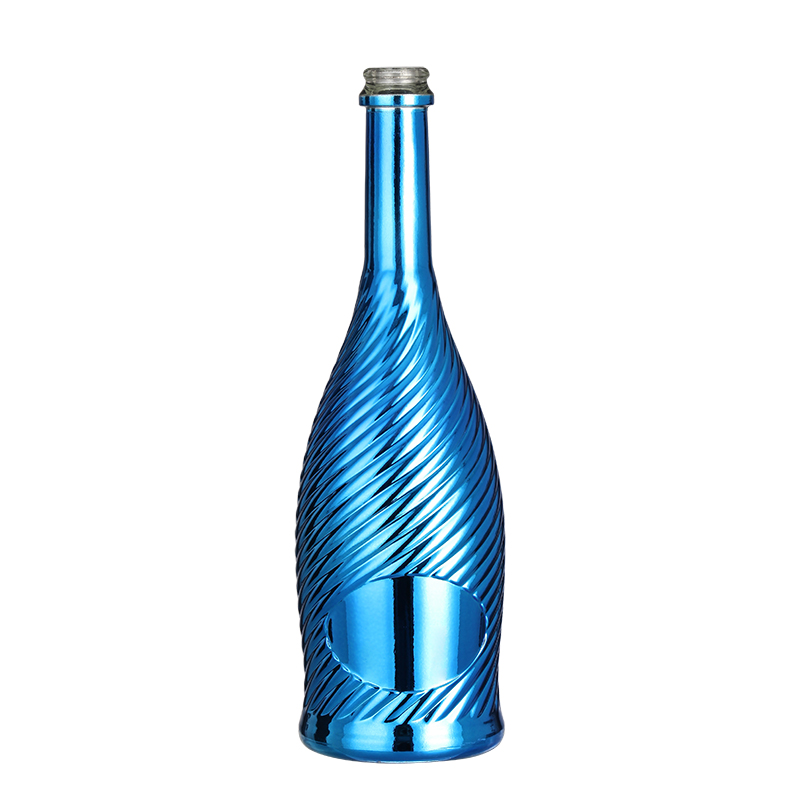
Key Customization Options for Premium Glass Wine Bottles
Customizing a glass wine bottle transforms packaging into a powerful brand statement. Strategic choices in shape, color, and decoration directly influence shelf impact, consumer perception, and product protection. For distilleries and wineries, these decisions balance marketing goals with production feasibility. The right combination can elevate a vintage from commodity to collectible.
Bottle Shape, Capacity, and Closure Systems for Brand Distinction
The silhouette of a bottle is often the first signal of quality. Tall, slender Bordeaux shapes suggest tradition and elegance, while broad Burgundy curves convey richness and depth. Unique proprietary profiles set a brand apart instantly. Capacity reinforces positioning: standard 750 mL dominates retail, but a 1.5 L magnum signals prestige and age-ability. Smaller 375 mL formats target sampling or premium gift sets, meeting varied consumer needs without diluting brand identity. Closure systems carry equal weight. Natural cork remains synonymous with heritage wines, offering a ritualistic opening. Synthetic corks eliminate TCA risk and ensure consistent quality. Screw caps, once stigmatized, now convey modernity and freshness—especially for whites and rosés. A well-matched closure not only preserves the wine’s integrity but also communicates a brand’s values. For example, research shows 84% of wine buyers consider bottle shape a key differentiator in purchase decisions (Wine Intelligence 2022). Aligning shape, capacity, and closure creates a cohesive narrative that guides consumer choice.
Color, Glass Material, and Surface Finishes: Frosted, Amber, and Metallic Accents
Glass color goes beyond aesthetics—it protects the liquid. Amber and green glass filter UV light, slowing oxidation in sensitive wines and spirits. Clear flint glass showcases the product’s natural hue, ideal for white wines or brandy. Material composition adds another layer. Incorporating recycled glass into production reduces energy use by approximately 3% for every 10% of cullet used (Glass Packaging Institute 2023), appealing to eco-conscious buyers without sacrificing clarity or strength. Surface finishes define tactile experience. A frosted coating, achieved through acid or mechanical etching, imparts a soft, premium touch while diffusing light softly through the bottle. Metallic accents—whether applied as hot stamping, cold spray, or ceramic banding—add a luxurious gleam that catches the eye on back bars. An amber bottle with a matte metallic neck wrap marries UV protection with high-end appeal. These finish options allow distillers to craft a sensory preview of the product inside, enhancing the perceived value long before the first sip.
Permanent Decoration Techniques: Embossing, Acid Etching, and Screen Printing on Glass Wine Bottles
Permanent decoration techniques integrate branding into the glass itself, outlasting applied labels and resisting wear from handling, chilling, or moisture. Embossing creates raised lettering or patterns directly in the mold, offering a 3D tactile element that significantly boosts brand recall—studies indicate a 60% higher memorability for embossed designs (Journal of Consumer Research 2021). This method requires upfront tooling investment but no recurring consumables, making it ideal for high-volume lines. Acid etching uses a chemical mask to produce a translucent, frosted effect with extreme precision, allowing elaborate crests or logos that feel integral to the bottle surface. It is environmentally clean, as no inks are involved. Screen printing applies enamel-based inks through a mesh, enabling crisp, multi-color graphics even on curved surfaces. While less permanent than embossing, it excels at detailed typography and vibrant brand colors. Some producers combine techniques: an embossed crest on the shoulder paired with a screen-printed vintage year on the base. By choosing the right permanent decoration, distilleries embed their identity into every bottle, turning a practical container into a lasting brand artifact.
End-to-End Wholesale Production Process for Custom Glass Wine Bottles
To bring a unique glass wine bottle to market, distilleries rely on a structured process that starts with design and ends with rigorously tested, ready-to-fill packaging. The sequence covers prototyping, mold development, production scheduling, and quality verification—each step aligning with your brand’s visual identity and filling line requirements.
Prototyping, Mold Creation, and Tooling Validation for Consistent Quality
The journey begins by converting bottle sketches into precise CAD models and 3D renderings. A prototype sample—often made from resin or low-volume glass—lets you assess form, light transmission, and label placement before committing to tooling. Once approved, CNC-machined molds are created from high-grade steel, then tested in pilot production runs. Dimensional checks verify wall thickness, capacity, neck finish, and overall symmetry; any deviation is corrected in the mold. The glass wine bottle must also anneal uniformly to prevent stress fractures. Finally, a series of drop tests and thermal shock assessments confirm mechanical integrity, ensuring every unit leaving the line will consistently meet your brand’s aesthetic and performance standards.
MOQs, Lead Times, and Fill Compatibility Testing for Distillery-Scale Orders
For wholesale orders, the MOQ (Minimum Order Quantity) typically ranges between 10,000 and 50,000 units, depending on design complexity and mold configuration. Lead times span from 10 to 16 weeks once the mold is finalized—covering trial runs, bulk melting, and annealing. Before launch, fill compatibility testing is non-negligible. The bottle must withstand your filling method (cold-fill, hot-fill up to 60°C, or pressurized still wine), and closure systems like natural cork, aluminum screwcap, or synthetic stoppers must seal reliably. Conduct a pilot fill on your actual line to measure stability, headspace retention, and breakage rates. Aligning MOQs with annual consumption smooths out unit costs, while early testing prevents costly line stoppages. This phase ensures that your custom container integrates seamlessly from the tank to the consumer’s table.
Strategic Supplier Selection for Wholesale Glass Wine Bottle Sourcing
Choosing the right partner for wholesale glass wine bottle orders goes beyond comparing unit prices. Distilleries that scale successfully prioritize total landed cost, which bundles logistics, tooling, and potential breakage into the true per-bottle expense. A reliable supplier must demonstrate consistent mold ownership, transparent quality audits, and the capacity to hold safety stock for just-in-time deliveries. Request documented evidence of dimensional tolerance checks and pressure testing, especially if your glass wine bottle will undergo hot-fill or vacuum-seal processes. Equally critical is verifying that the manufacturer’s minimum order quantities and lead times align with your production calendar, preventing costly line stoppages. The most resilient sourcing strategies treat supplier vetting as an ongoing process—not a one-time decision—to adapt to shifting material costs and freight routes without sacrificing bottle integrity.
FAQs
1. Why is bottle shape important in wine packaging?
Bottle shape signals the quality and tradition of the wine. Certain shapes, like Bordeaux's tall silhouette, suggest elegance, while others, like Burgundy's broad curves, convey richness.
2. What role does glass color play in wine preservation?
amber and green glass protect wines by filtering UV light and slowing oxidation, while clear glass showcases the wine’s natural hue for aesthetic appeal.
3. What are permanent decoration techniques for wine bottles?
Permanent methods like embossing, acid etching, and screen printing integrate branding directly into the glass for durability and enhanced brand recall.
4. How long does wholesale production of custom bottles typically take?
Production lead times range from 10 to 16 weeks, covering prototyping, mold creation, bulk production, and quality testing.
5. What factors should I consider when choosing a supplier?
Key considerations include total landed cost, mold ownership, quality audits, consistent lead times, and compatibility with your production schedule.