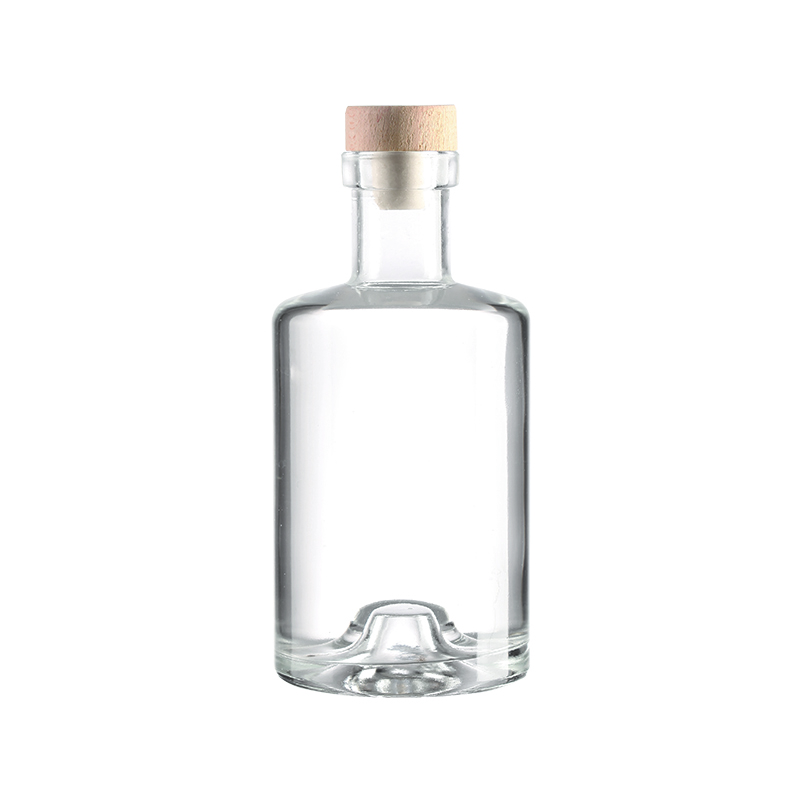
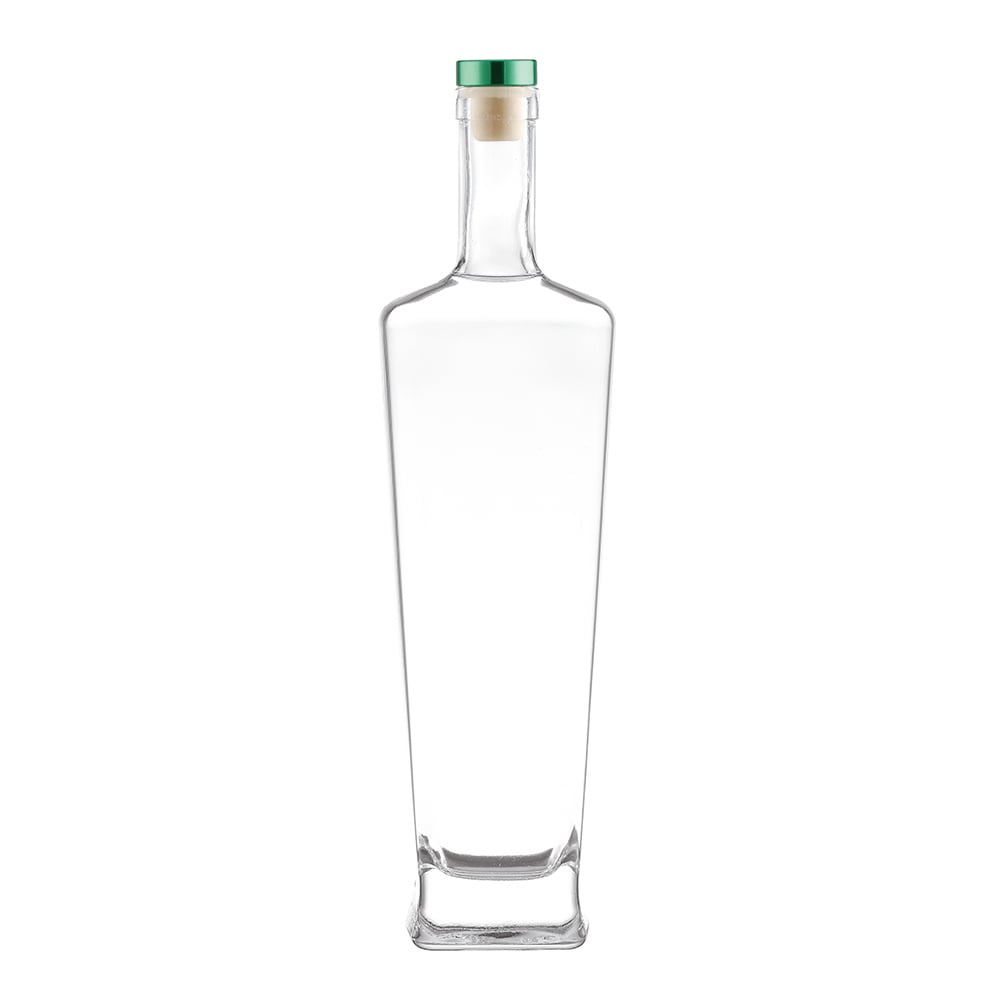
Three phrases, one goal: putting a spirit on the shelf with your name on it.
If you are launching a spirits brand without your own distillery, you will quickly encounter terms such as private label spirits, white label alcohol, and own label whisky. Suppliers sometimes use these terms interchangeably, but they describe slightly different approaches to developing and selling spirits.
The model you choose affects your investment, speed to market, product control, exclusivity, and — importantly — how much room you have to build a distinctive brand.
This guide explains the differences and shows how the right bottle, stopper, and packaging strategy can turn a standard spirits program into a recognizable brand.
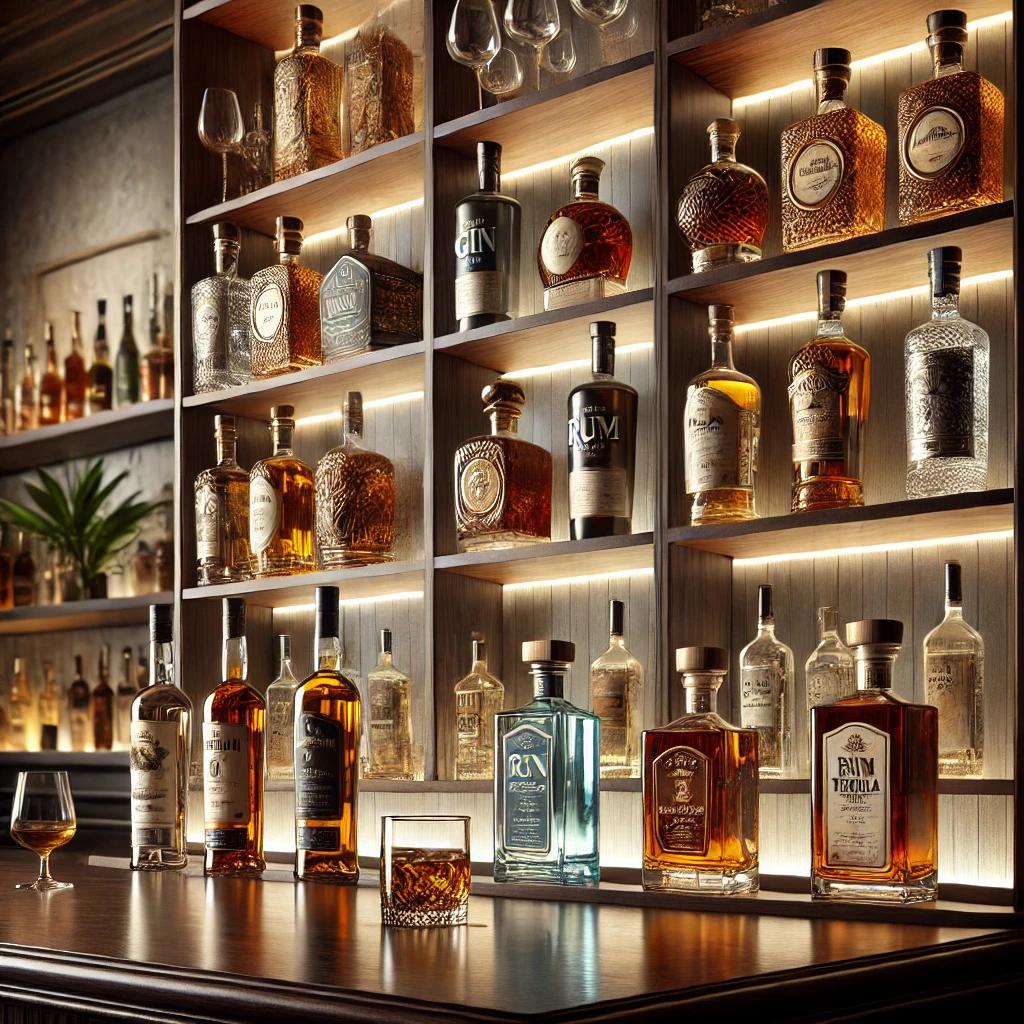
Private label spirits are products manufactured or sourced by one company and sold under another company's brand.
For example, a private label whiskey program may involve a distillery producing or sourcing the whiskey while the brand owner determines the target profile, proof, positioning, label, bottle, and packaging.
You don't need to own a distillery to build the brand.
Brand name and identity
Whiskey, bourbon, vodka, gin, rum, or other spirit category
Target flavor profile and proof
Bottle shape and glass quality
Label and decoration
Closure and secondary packaging
Retail positioning and pricing
Spirit sourcing or distillation
Blending and production
Bottling and filling
Production-side compliance and documentation
In some programs, labeling and logistics
The major advantage is lower capital investment compared with building your own distillery.
For founders entering the market, private label bourbon, private label whiskey, and private label scotch programs can provide a practical way to build a brand while working with an established production partner.
The trade-off is that you have less direct control over production than a distillery that owns the entire process.
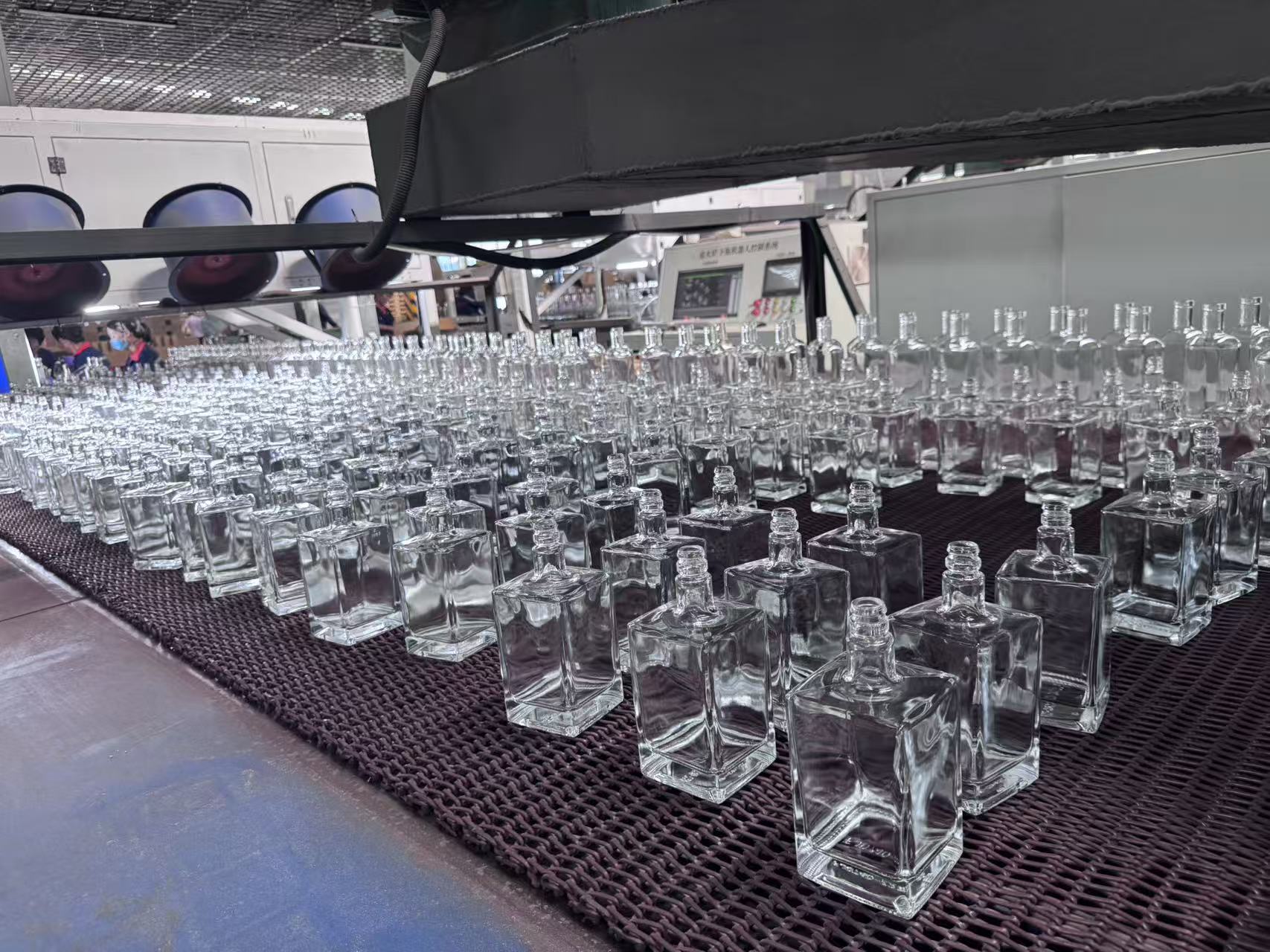
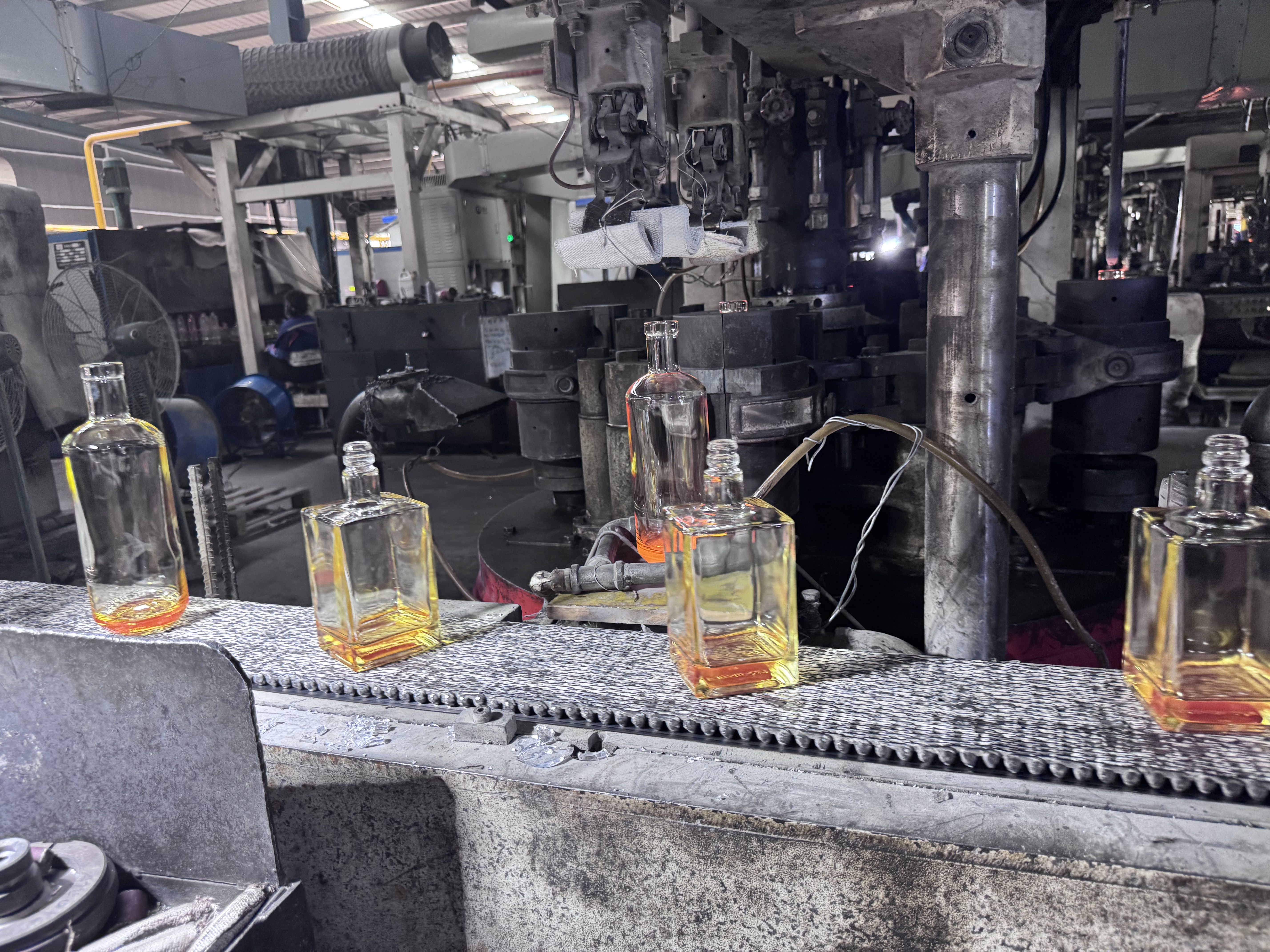
White label alcohol is the fastest and most standardized model.
The producer already has a finished product with an established specification. Multiple brands can purchase that product and sell it under their own branding.
A typical white label bourbon, for example, may be a sourced bourbon with a fixed recipe, proof, and production specification. You select the product, develop your branding, and prepare it for market.
You want to test a spirits category
Your initial investment is limited
Speed to market is important
You are launching your first SKU
You are building a portfolio with multiple products
The biggest limitation is differentiation.
If several brands use the same underlying liquid, your brand needs to stand out through identity, packaging, positioning, and shelf presence.
That is why the bottle becomes especially important in a white label program.
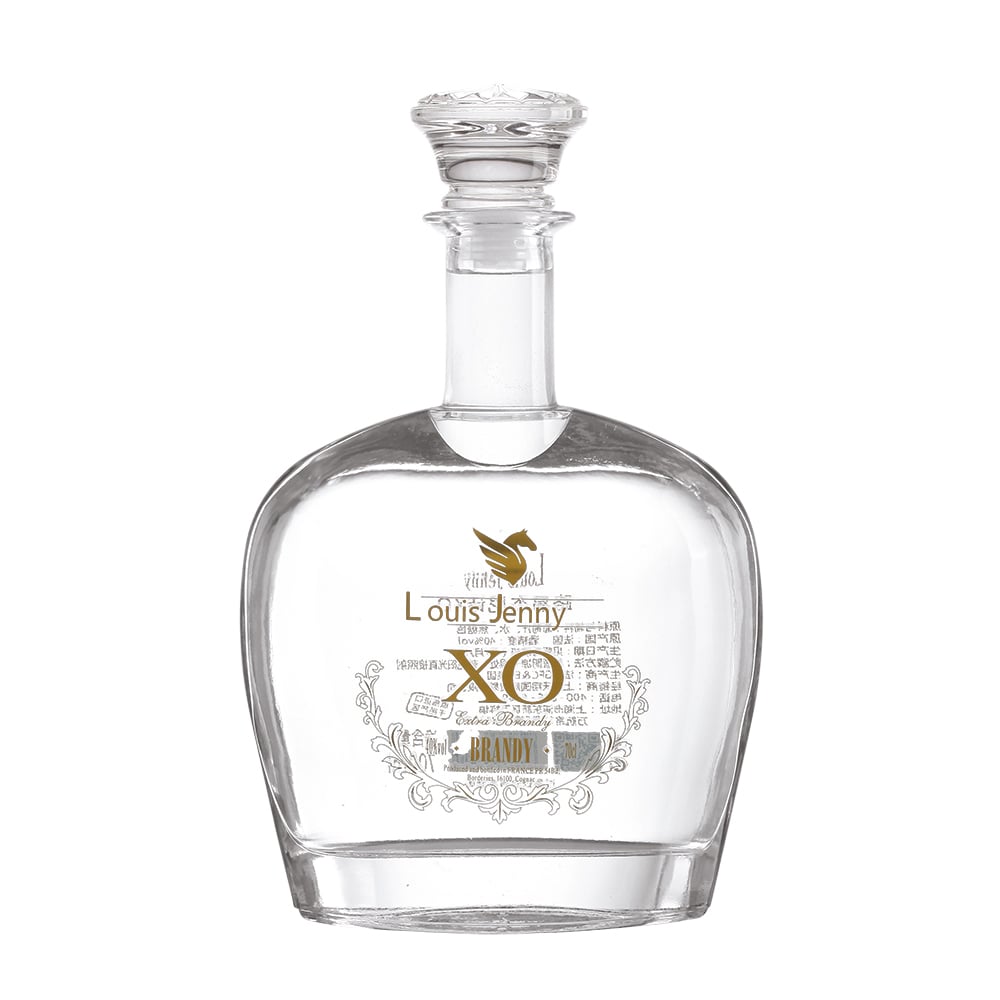
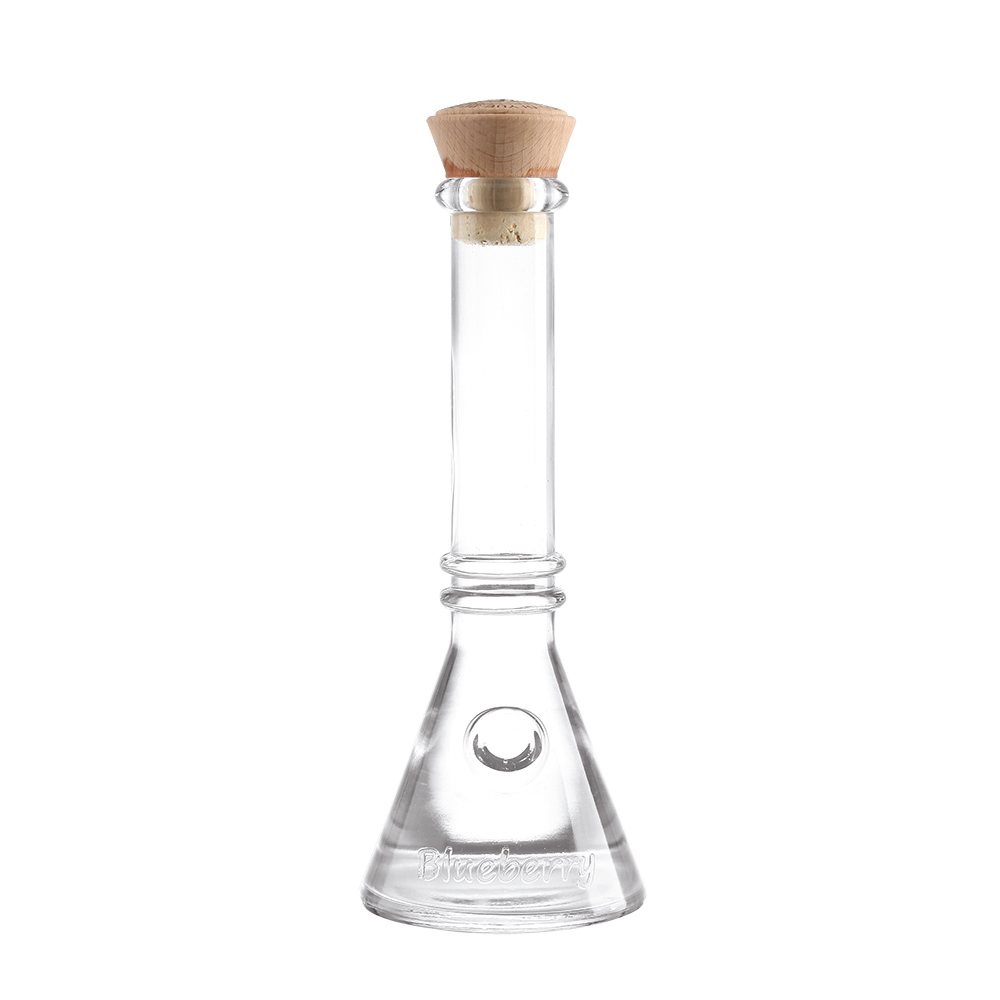
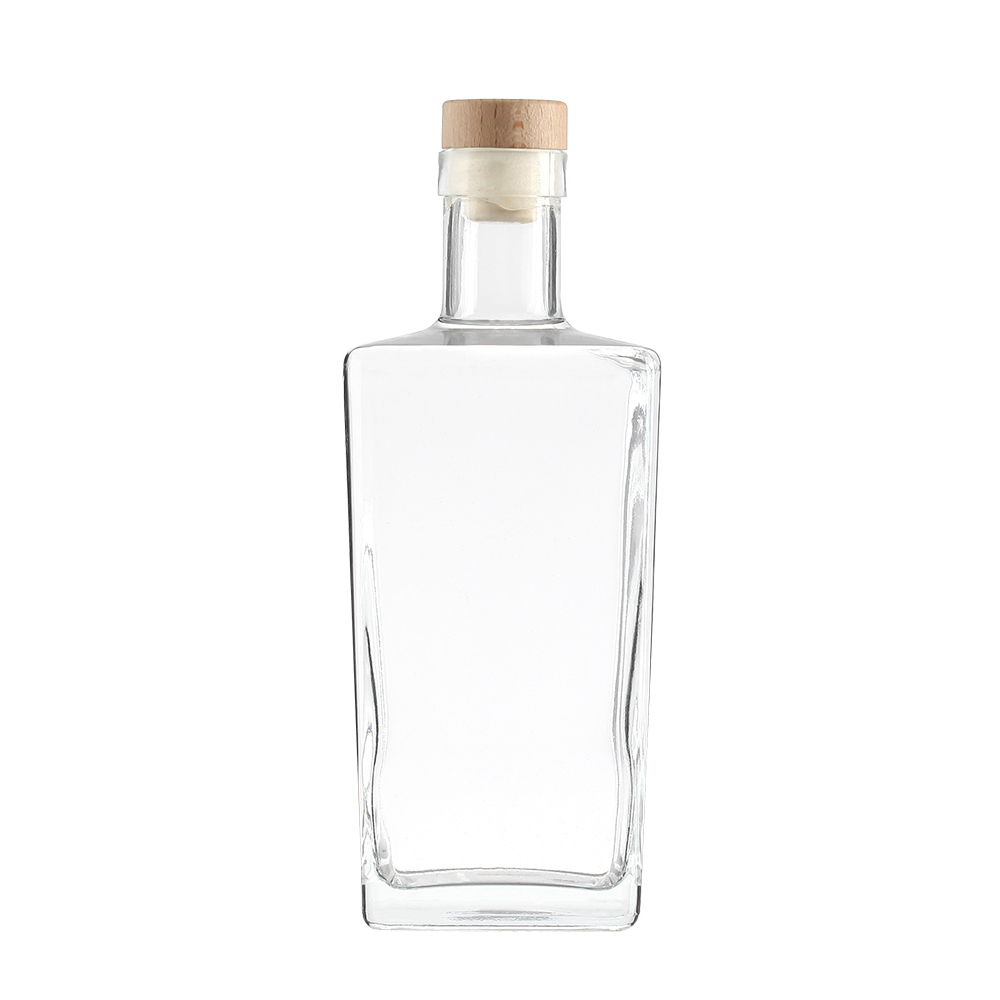
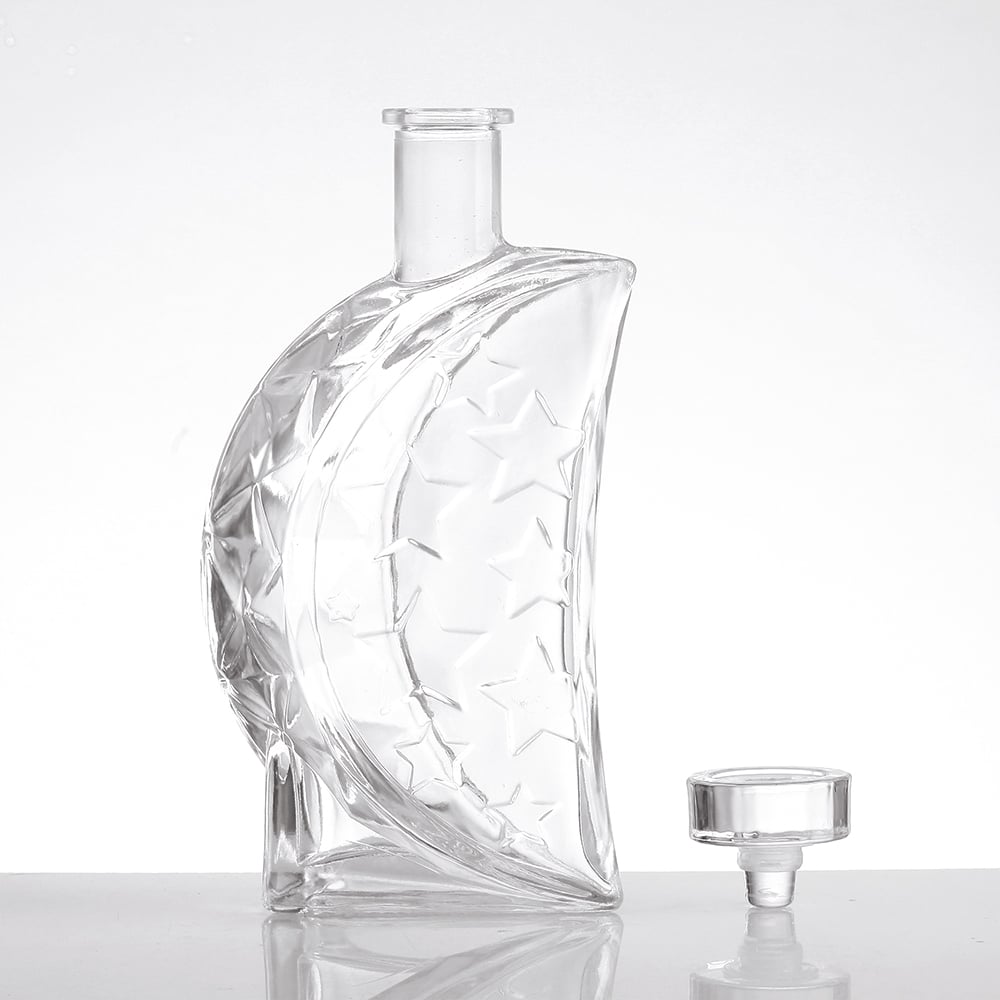
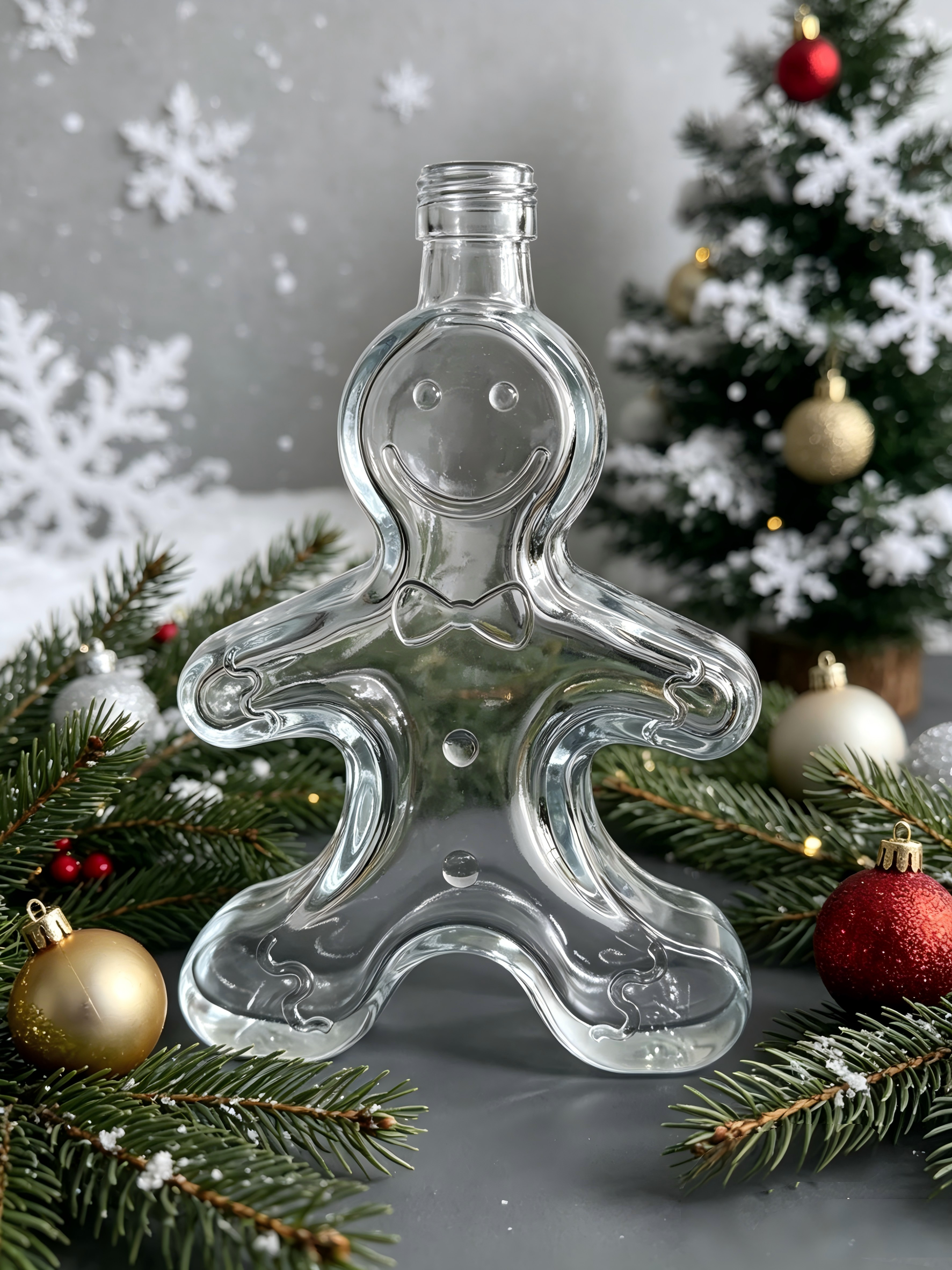
A distinctive custom bottle can make a standardized liquid look like a completely different product.
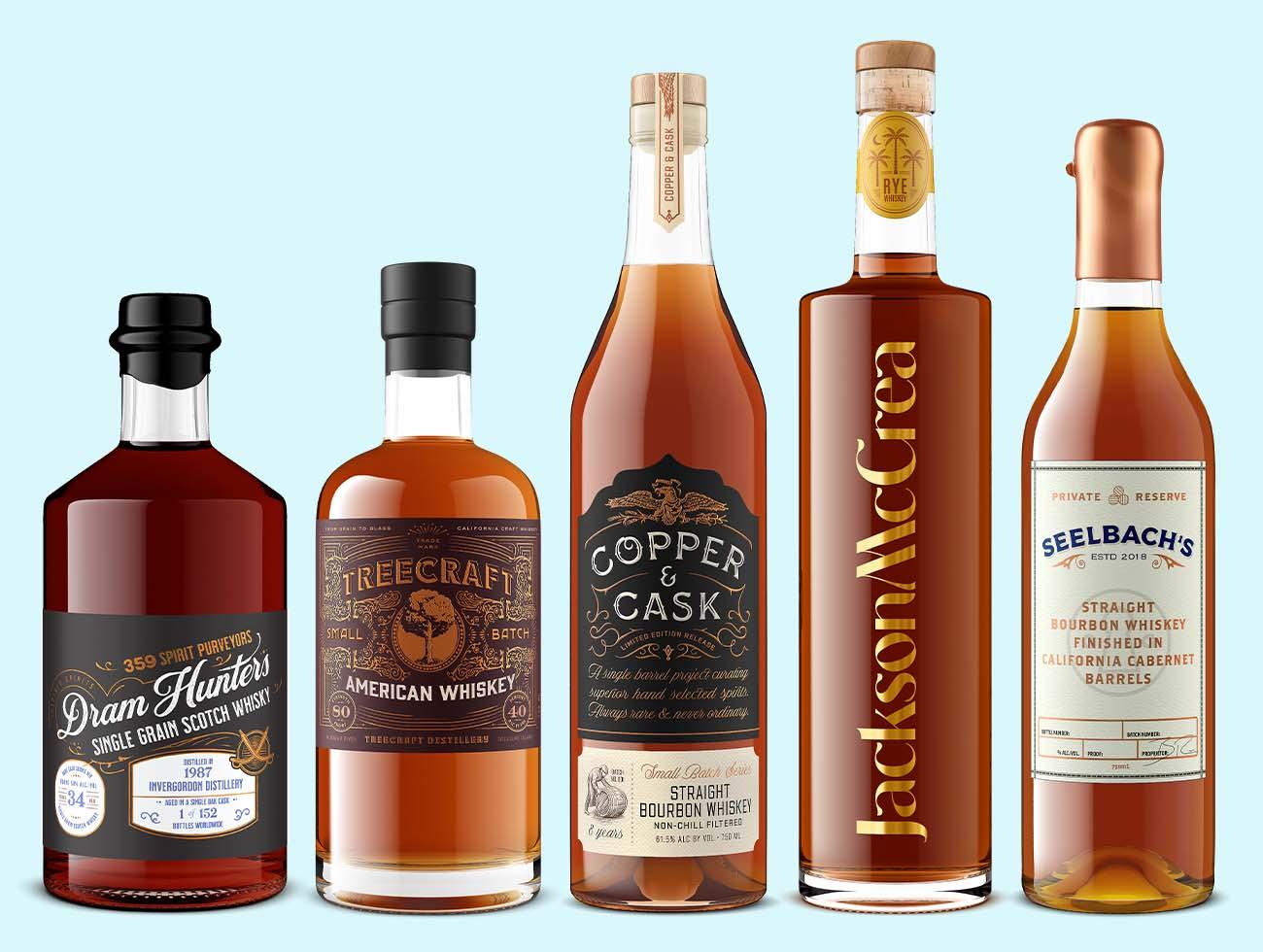
Own label whisky is commonly used in the UK and European retail market.
The basic concept is similar to private label: a manufacturer produces the product while another company sells it under its own brand.
The term is particularly common when referring to supermarket, retailer, hospitality, or house brands.
For example, a retailer may develop an own-label whisky sold under the retailer's own brand identity.
In practical terms:
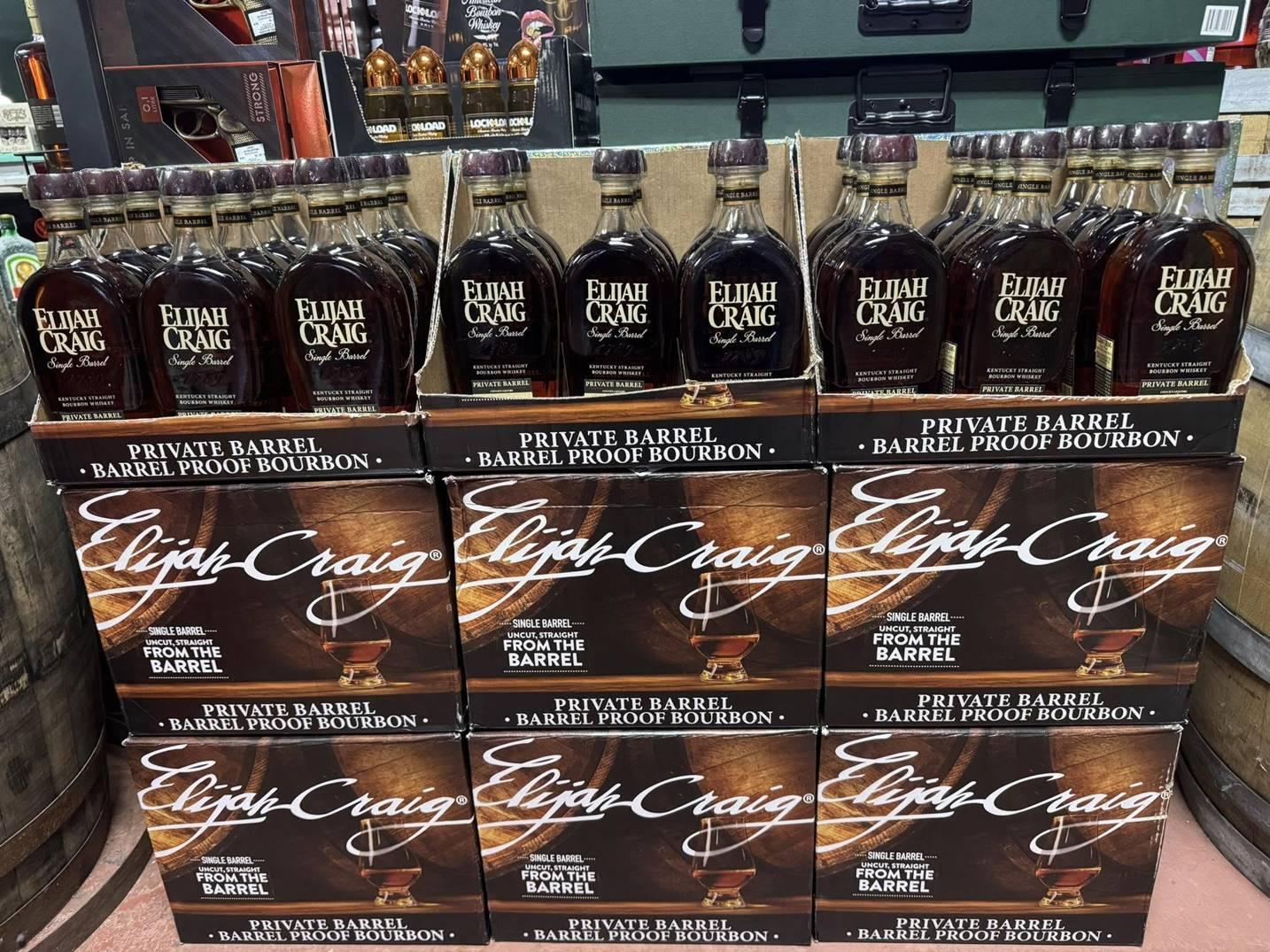
Private label is more common in the US spirits market.
Own label is widely used in the UK and European retail environment.
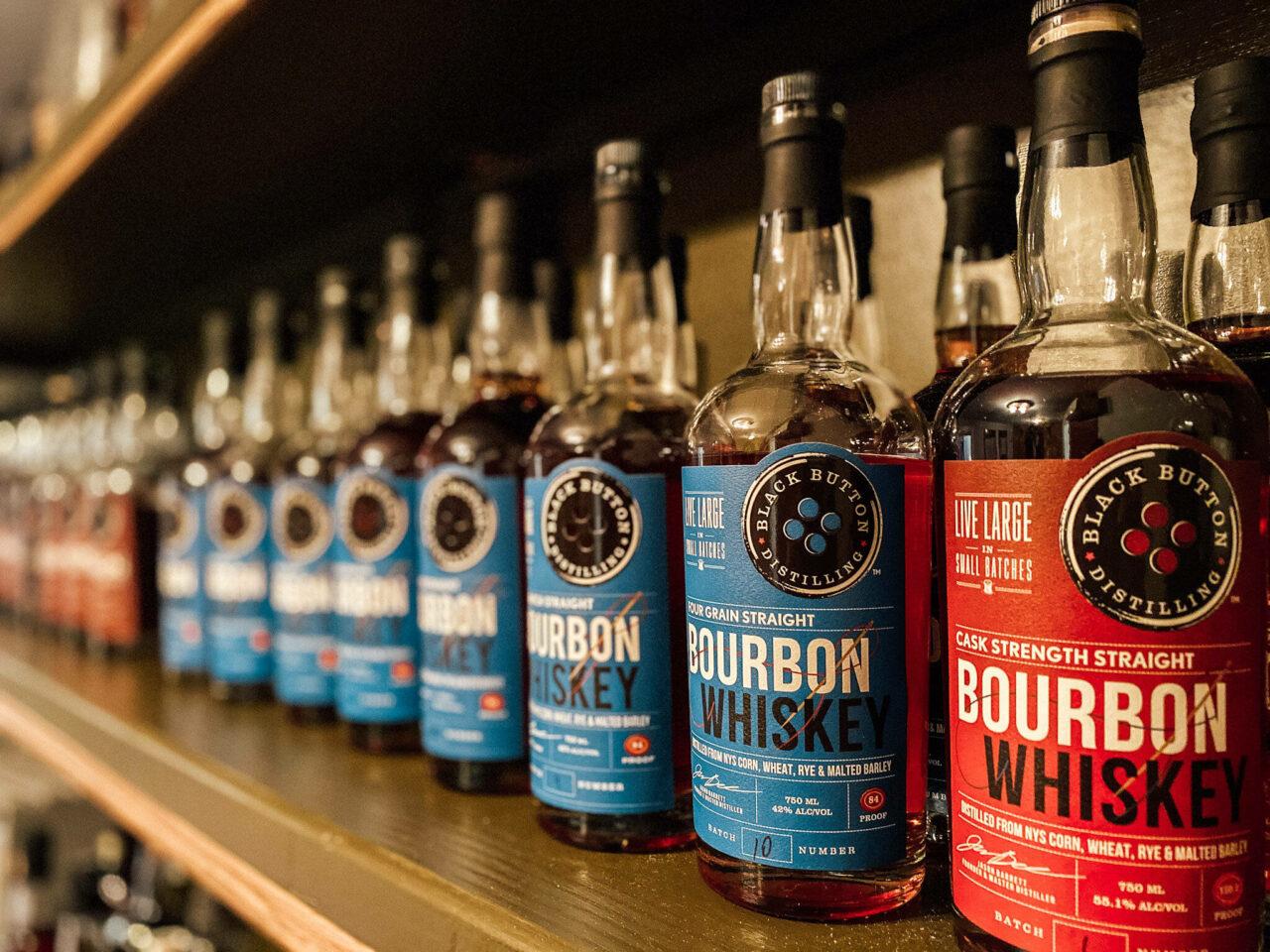
White label generally emphasizes a ready-made, standardized product.
The terminology can vary between suppliers, so always ask what level of customization and exclusivity is actually included rather than relying only on the label.
| Factor | Private Label | White Label | Own Label |
|---|---|---|---|
| Liquid | Selected or developed for your brand | Standardized product | Developed for retailer/brand |
| Exclusivity | Often possible | Usually non-exclusive | Usually owned by the brand |
| Product customization | Medium to high | Low | Medium to high |
| Bottle customization | Yes | Yes | Yes |
| Speed to market | Months | Weeks to months | Months |
| Initial investment | Moderate | Lower | Moderate |
| Best for | Building a long-term brand | Testing the market | Retail or house brands |
| Main differentiation | Product + brand + packaging | Brand + packaging | Product + brand + packaging |
The important point is simple:
Your business model determines the liquid. Your packaging determines how customers remember you.
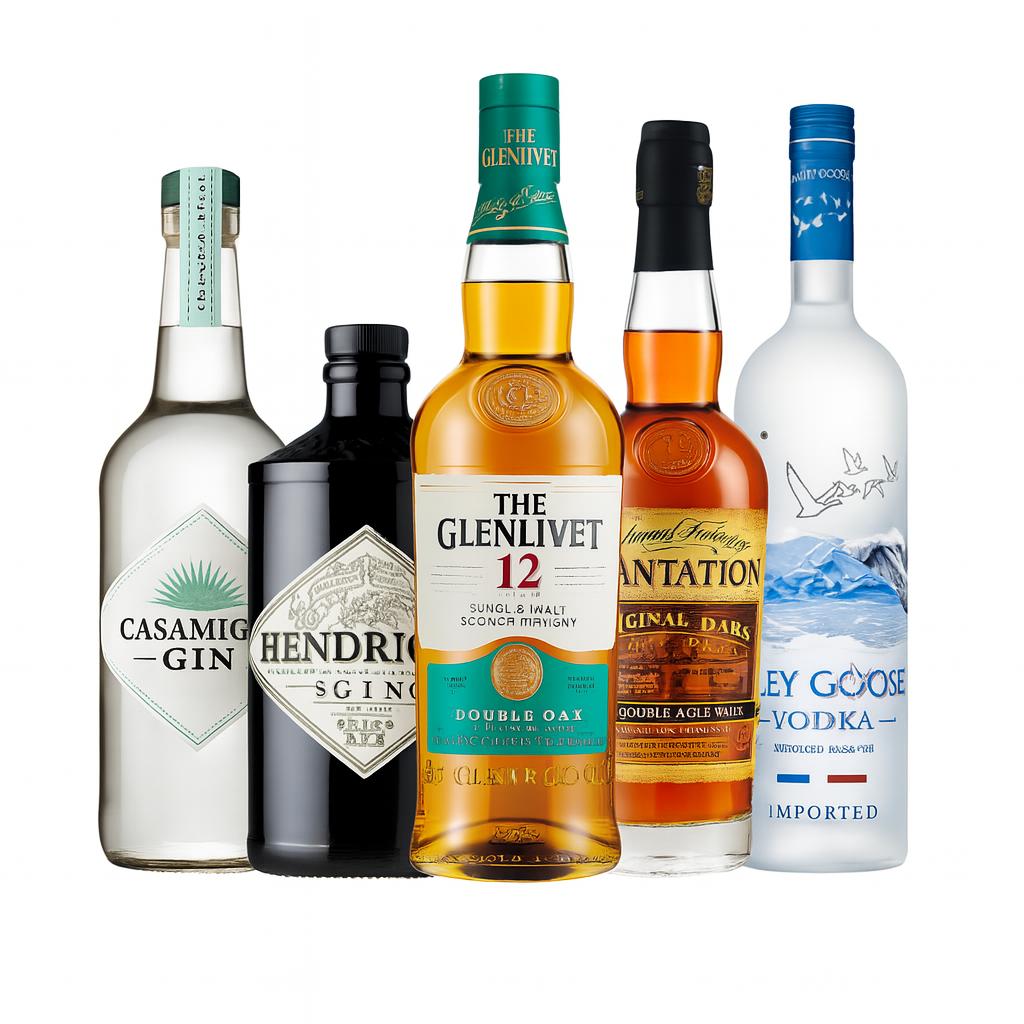
If you have limited capital and want to validate demand, white label may be the easiest starting point.
You can select a proven product, develop your brand identity, invest in packaging, and enter the market without committing to a highly customized production program.
Once sales grow, you can move toward private label and develop a more differentiated product.
Private label is usually the stronger option.
You have more opportunities to influence the product, packaging, positioning, and overall brand experience.
For a premium private label whiskey or private label bourbon, the goal should be to create an identity that customers can recognize before they even read the label.
Own-label thinking can make sense.
Your customers already know your business, so a house spirit can extend that existing brand into a packaged product.
In this case, the bottle should feel like a natural extension of your established identity rather than a generic stock bottle.
White label can be useful for quickly adding another SKU, while private label provides greater opportunities for long-term differentiation.
The right answer depends on your budget, expected volume, product strategy, and target market.
For new spirits brands, packaging is often underestimated.
A consumer may never know who produced the liquid — but they immediately see the bottle.
This makes glass packaging one of the most powerful physical assets in your brand strategy.
Your bottle program may include:
Standard bottles can help reduce tooling costs and simplify production.
Custom molds create stronger visual differentiation and can make your product instantly recognizable.
High-flint and crystal-white glass provide exceptional clarity for vodka, gin, and other spirits where transparency is part of the visual appeal.
Amber glass works naturally for whiskey and bourbon, while colored glass can create a more distinctive premium identity.
Depending on the design, you can use:
Embossing and debossing
Silk-screen printing
Frosting
Spray coating
Hot stamping
Decals
Acid etching
Custom coloring
These techniques can transform a standard bottle into a recognizable brand asset.
The stopper is another opportunity to build brand identity.
Natural cork, technical cork, synthetic closures, and custom-designed stoppers can all contribute to the perceived quality of the final product.
Gift boxes, tubes, inserts, and other secondary packaging can increase perceived value, especially for premium whiskey, bourbon, cognac, and gift-oriented spirits.
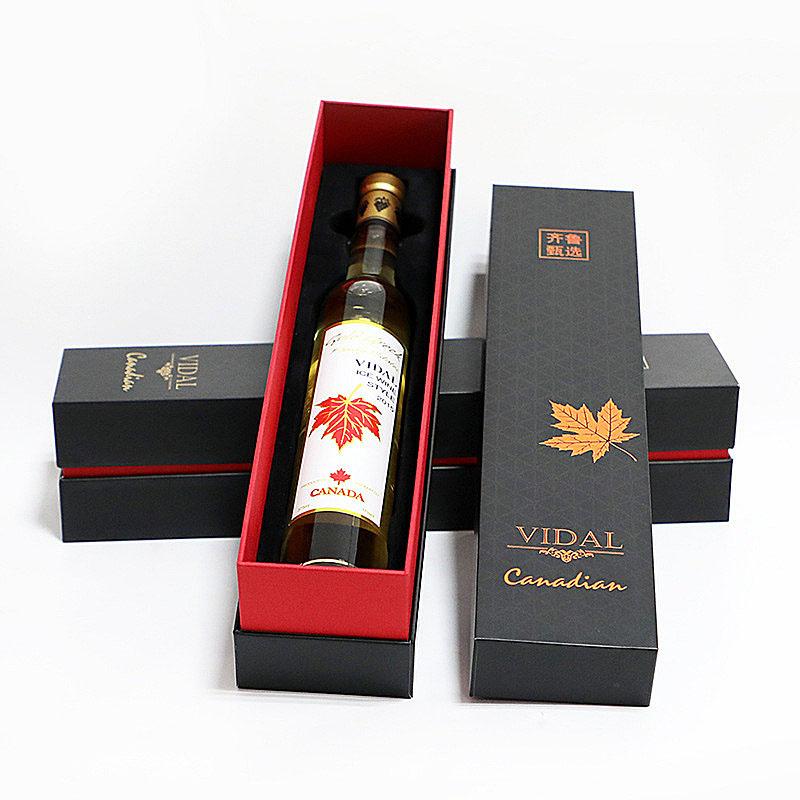
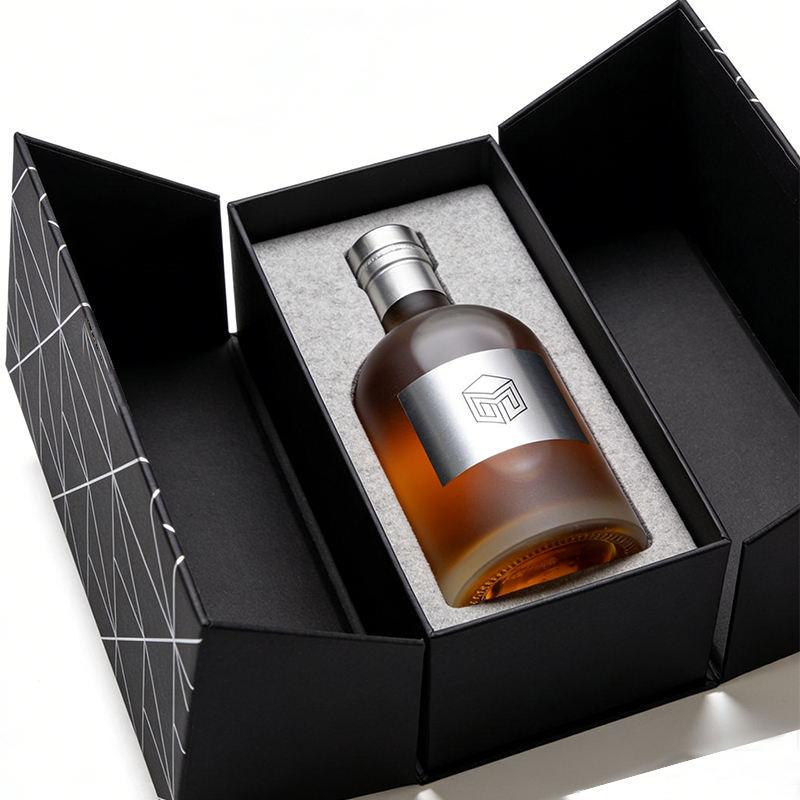
Choosing the right production and packaging partners is just as important as choosing the business model.
When comparing private label alcohol manufacturers and bottle suppliers, consider these factors:
Can the supplier support your target volume consistently?
Look for suppliers familiar with whiskey, bourbon, vodka, gin, rum, tequila, brandy, and other spirits packaging requirements.
Can they support custom bottles, glass decoration, stoppers, and secondary packaging?
Your first order should match your actual launch strategy.
At Glorious Glassware, trial custom bottle orders start at 12,000 pieces, providing a practical starting point for commercial spirits launches.
For international brands, documentation, packaging standards, shipping experience, and communication are critical.
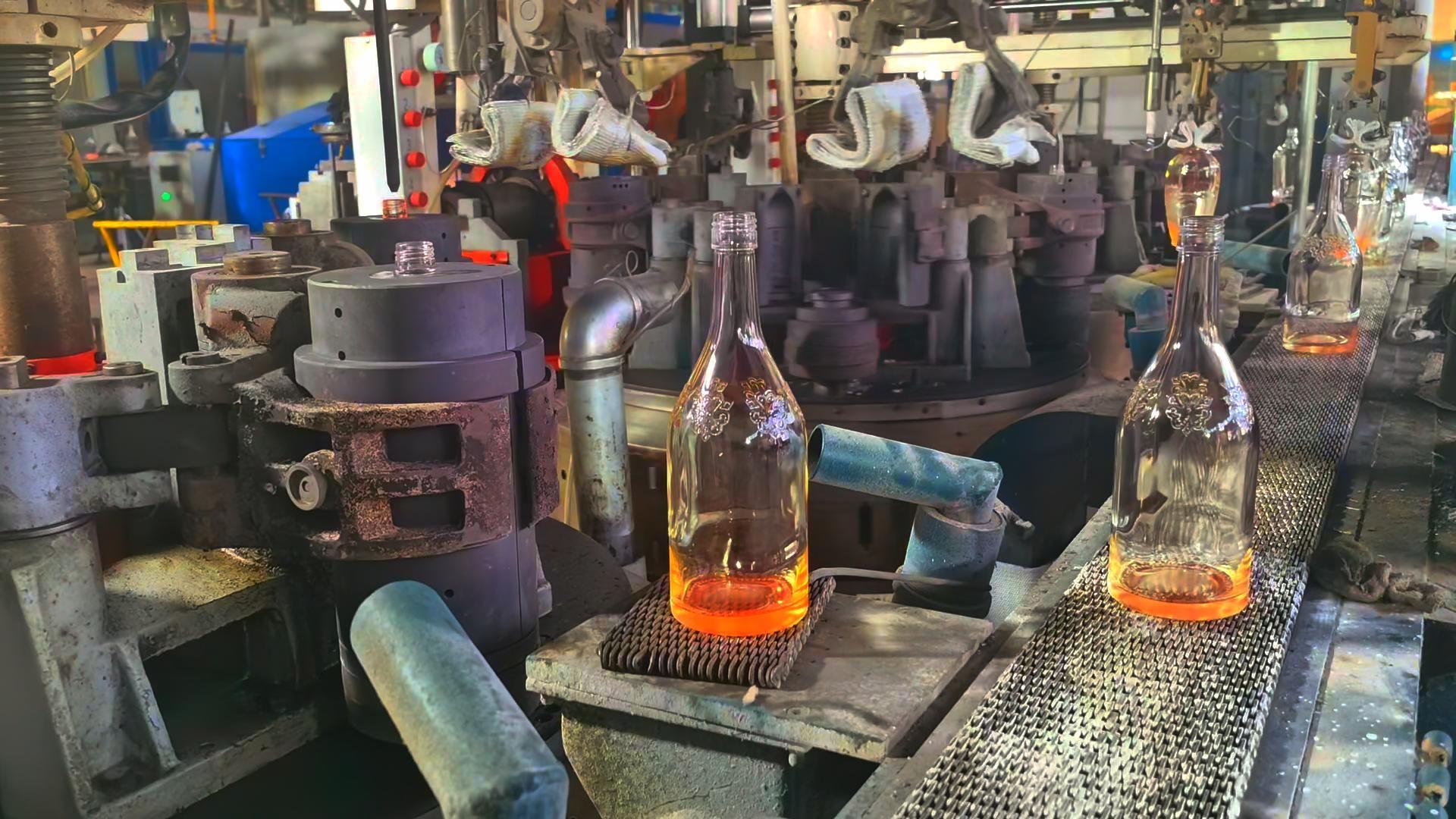
A capable glass bottle manufacturer should help identify potential problems with mold design, wall thickness, weight distribution, decoration, and production feasibility before tooling begins.
The best supplier doesn't simply manufacture your drawing.
They help make the design manufacturable.
Absolutely — and this can be one of the smartest strategies for a new brand.
When the underlying liquid is not exclusive, packaging becomes your strongest physical differentiator.
A custom bottle can communicate:
Premium positioning
Heritage
Modernity
Craft identity
Regional inspiration
Sustainability
Luxury
Instead of competing only on liquid, you create a complete brand experience.
For a white label bourbon, for example, a custom heavy-base bottle with embossing, premium decoration, and a distinctive stopper can create significantly stronger shelf recognition than a generic stock bottle.
Private label usually allows more input into the product and may offer greater exclusivity. White label generally uses a ready-made, standardized spirit that can be sold to multiple brands.
Essentially, yes in many contexts. "Own label" is particularly common in the UK and European retail market, while "private label" is more common in the US.
No. Private label and white label programs allow founders to launch brands without owning a distillery.
At Glorious Glassware, trial orders start at 12,000 pieces. Standard bottle designs may be more straightforward, while fully custom molds can require additional volume depending on the project.
Yes. A custom bottle is often one of the best ways to differentiate a white label product.
Yes. Glorious Glassware provides an integrated packaging solution covering custom glass bottles, stoppers, and packaging boxes, helping brands coordinate specifications, quality, and production through one supplier.
Private label, white label, and own label are different routes to the same destination: building a spirits brand customers recognize.
Choose white label when speed and low initial investment are your priorities.
Choose private label when you want greater product control and a long-term brand strategy.
Choose own label when you are developing a retailer, restaurant, hospitality, or house-brand program.
But whichever route you choose, don't treat the bottle as an afterthought.
The liquid creates the product.
The bottle creates the first impression.
Glorious Glassware provides one-stop custom spirits packaging for brands developing private label and white label programs — from glass bottle design and manufacturing to custom stoppers and packaging boxes.
With a trial MOQ starting at 12,000 pieces, we help spirits brands move from concept to commercial packaging with one coordinated supplier.
Planning a private label or white label spirits launch?
Tell us your spirit category, target market, bottle capacity, and design direction. We'll help you develop a packaging solution built for your brand.
 Hot News
2026-08-17
2026-08-14
2026-08-10
2026-08-07
2026-08-03
2026-07-31

 EN
EN