
 EN
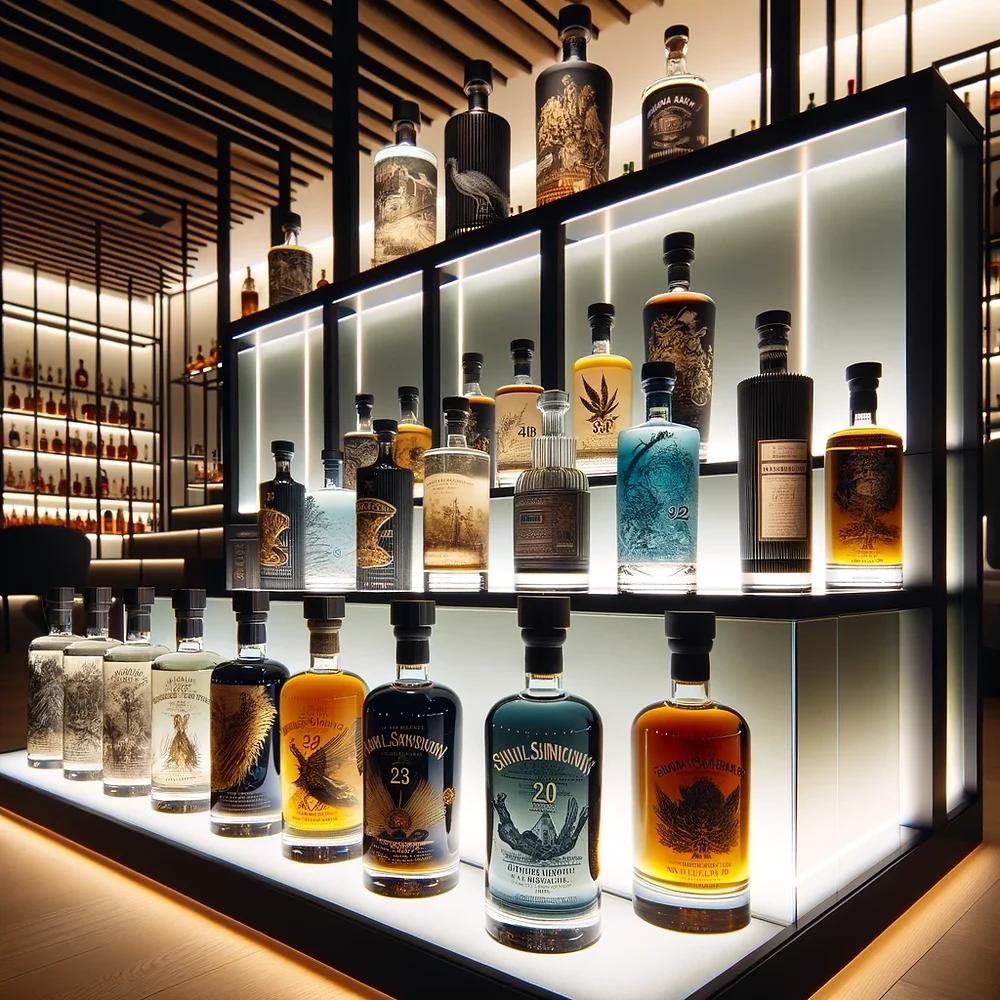
Why Carved Glass Wine Bottles Define Modern Premium Spirits Packaging
Glass dominates premium wine and spirits packaging—accounting for about 67% of the U.S. wine packaging market in 2024, with bottles representing more than half of total packaging value. Its clarity, impermeability, and long-standing association with luxury make it the default choice. Yet in today’s saturated marketplace, a smooth, unadorned glass bottle no longer signals distinction on a crowded back bar or retail shelf.
A carved glass wine bottle changes that equation. Whether etched, sandblasted, or frosted, controlled surface texture introduces depth, contrast, and tactility. It transforms a functional container into a deliberate brand artifact—one that invites touch, slows visual processing, and reinforces perceived quality. Consumers consistently associate richly textured packaging with superior taste and craftsmanship. Light interacting with engraved facets or matte-frosted panels creates dynamic shadow play, evoking hand-finished artistry no mass-produced vessel can replicate.
This layered sensory experience supports modern premium positioning. Carved detail encourages closer inspection, strengthens shelf presence, and fosters collectibility over disposability. For distillers and wineries, such bottles signal limited production, artisanal intent, and enduring value—not decorative excess, but a strategic necessity for justifying premium pricing and commanding lasting first impressions. That’s why carved glass now anchors many high-end portfolio launches.
The Craft Behind the Carve: Engraving, Sandblasting, and Frosted Techniques for Glass Wine Bottles
Deep Sandblasting vs. Laser Etching: Durability, Detail, and Tactile Impact on Glass Wine Bottles
Deep sandblasting and laser etching produce distinct tactile and optical identities on glass. Deep sandblasting propels fine abrasive particles through a precision stencil at high pressure, cutting a deeper, rougher, frosted relief into the surface. The result is an icy, dimensional texture—visually bold and physically durable. Laser etching, by contrast, uses focused thermal energy to melt only the topmost layer of glass, yielding a shallower, smoother frost ideal for fine lines, small text, and high-speed production. While laser etching offers higher resolution for intricate logos or serialization, deep sandblasting delivers stronger haptic impact and broader visual diffusion.
The choice hinges on brand intent: bold, sculptural presence favors sandblasting; precise, refined detailing leans toward laser etching. For premium spirits, this isn’t merely aesthetic—it shapes how consumers hold, inspect, and remember the bottle.
Frosted Windows and Clear Contrasts: Creating Visual Depth in Artisanal Glass Wine Bottles
Frosted windows elevate an artisanal glass wine bottle from monolithic form to layered composition. By masking selected areas before sandblasting, producers retain crystal-clear zones—often framing the liquid level, label, or embossed crest—while surrounding surfaces become matte. This clear-to-frosted transition generates visual depth without added weight or pigment. Light refracts differently across the boundary, guiding attention and enhancing legibility. Acid etching yields a softer, more uniform frost; sandblasting produces a grittier, more dimensional finish. Advanced masking techniques—including multi-stage resist layers—allow for graduated transitions, lending the bottle a jewel-like, sculpted quality.
For premium spirits, the frosted window is functional storytelling: it frames the product while signaling disciplined craft. The resulting interplay of transparency and texture creates a tactile and visual pause—inviting engagement beyond the glance.
Strategic Brand Value: How Custom Carved Glass Wine Bottles Strengthen Positioning and Consumer Recall
A carved glass wine bottle transcends utility to become a durable brand asset. When silhouette, texture, and engraved detail cohere, they forge memory hooks far more resilient than label graphics alone. This section explores the psychological and commercial levers behind that advantage.
Neuroaesthetic Insight: Why Tactile Texture and Visual Layering Boost Memory Encoding (Journal of Consumer Psychology, 2023)
Tactile texture and visual layering do more than convey craft—they activate multisensory memory encoding. As detailed in the Journal of Consumer Psychology (2023), haptic feedback—like tracing a deep sandblast groove or feeling a raised band—anchors visual identity in embodied experience. The brain encodes such interactions more durably than flat imagery, especially in high-stakes, low-dwell-time environments like the back bar or retail shelf. A carved bottle with contrasting frosted and transparent planes prompts slower, repeated inspection—increasing exposure time and reinforcing distinctive design elements in long-term recall.
Case Study: A Landmark Limited-Edition Single Malt — Integrating Laser-Engraved Crystal with Frosted Glass Wine Bottle Architecture
A landmark limited-edition single malt exemplifies this principle in action. Rather than relying solely on printed cartons, the release paired a laser-engraved crystal stopper with a sandblasted frosted body and strategically placed clear viewing windows. The result was a layered, interactive object: the spirit remained visible, yet the surface offered intricate, tactile detail. Consumers perceived the package as collectible—not disposable—reinforcing premium positioning and supporting a significant price premium. This integration of engineered clarity and intentional engraving remains a benchmark for contemporary glass wine bottle architecture.
Balancing Artistry and Scale: Sustainability, Cost, and Authenticity in Production of Carved Glass Wine Bottles
Cost and scalability remain central considerations—but not insurmountable barriers. Hand-guided sandblasting or hand-etched engraving requires skilled labor and curing time between steps, increasing per-unit cost versus digital printing. Yet unlike conventional decoration methods, these techniques typically carry no minimum order requirement, supporting runs from one-off prototypes to batches of 5,000 units across formats ranging from 375 ml to 27 L. That flexibility makes carved glass practical for tasting-room exclusives, wine club allocations, distributor gifts, and auction releases.
Sustainability is increasingly integrated: many producers use post-consumer recycled glass stock, pair carving with on-demand manufacturing to minimize overproduction, and avoid volatile organic compounds common in screen-printed inks. Authenticity emerges organically—through micro-variations in frosted depth, subtle tool marks, or natural grain in hand-applied resists—qualities mass-produced finishes cannot replicate.
The most effective strategy aligns carving method, glass source, and production volume with brand values—not as trade-offs, but as intentional choices. Small-batch artistry strengthens luxury credibility and justifies investment; larger campaigns may deploy selective carving—such as engraved neck bands or base motifs—to preserve integrity without compromising scale. Done thoughtfully, carved glass balances expressive craft with responsible execution.
FAQ
Why are carved glass wine bottles becoming popular in premium spirits packaging?
Carved glass wine bottles enhance depth, contrast, and touch, which transform them into brand artifacts that signal quality, craftsmanship, and exclusivity, helping brands stand out in crowded markets.
What techniques are used to create carved glass wine bottles?
The most common techniques include deep sandblasting, laser etching, and frosted windows, each offering unique tactile and visual effects that cater to different branding needs.
How do carved glass wine bottles help with brand recall?
Tactile textures and visual layering activate multisensory memory encoding, making the brand and its design more memorable even in low-dwell-time environments like retail shelves or bars.
Are carved glass bottles sustainable?
Yes, many producers integrate post-consumer recycled glass and on-demand manufacturing processes to reduce waste while maintaining authenticity through manual techniques, ensuring an eco-friendly approach.
What are the cost considerations for producing carved glass wine bottles?
Carved glass bottles can be more expensive due to manual processes, but they allow for smaller production runs and add significant value through artisanal craftsmanship and customization.
Table of Contents
- Why Carved Glass Wine Bottles Define Modern Premium Spirits Packaging
- The Craft Behind the Carve: Engraving, Sandblasting, and Frosted Techniques for Glass Wine Bottles
- Strategic Brand Value: How Custom Carved Glass Wine Bottles Strengthen Positioning and Consumer Recall
- Balancing Artistry and Scale: Sustainability, Cost, and Authenticity in Production of Carved Glass Wine Bottles
-
FAQ
- Why are carved glass wine bottles becoming popular in premium spirits packaging?
- What techniques are used to create carved glass wine bottles?
- How do carved glass wine bottles help with brand recall?
- Are carved glass bottles sustainable?
- What are the cost considerations for producing carved glass wine bottles?