Your craft spirit sells well at home. The tasting room pours, the local bars reorder, and the regional distributor keeps coming back. Now you are ready for the next step: national retail distribution — liquor store chains, supermarkets, and big-box retailers that can put your bottle in front of thousands of shoppers.
Here is the truth most local brands discover too late: packaging that works behind a bar does not work on a retail shelf. National retail demands a complete packaging system — compliant, durable, scannable, and shelf-ready — because your package is now doing the selling for you, across thousands of miles and millions of potential buyers.
This guide breaks down the five things you must prepare before your bottles leave the local market, plus a retail-readiness checklist you can use before you sign any distribution agreement.
Local distribution is forgiving. You sell face-to-face; the bartender tells your story; the shelf space is yours by relationship. National retail is the opposite — an anonymous shelf in a chain store, a shopper with a 2-second attention window, and a supply chain with strict rules at every layer: brand → wholesaler → retailer → shelf.
| Dimension | Local | National Retail |
|---|---|---|
| Decision moment | Bartender recommendation | 2-second self-selection at shelf |
| Brand storytelling | Told face-to-face | Packaging tells it |
| Distribution | Direct or single-tier | Multi-tier |
| Compliance | Relatively relaxed | TTB / federal labeling / state rules enforced |
| Quality gate | Your reputation | Barcode scanning + shelf performance |
Retailers say shoppers decide whether to pick up a bottle in roughly two seconds. In that window, your packaging must answer three questions: What is this? Is it for me? Is it worth the price?
Three things decide that moment:
The product name and brand must be readable from across the aisle. A cluttered label is the fastest way to lose a shopper — and a retailer.
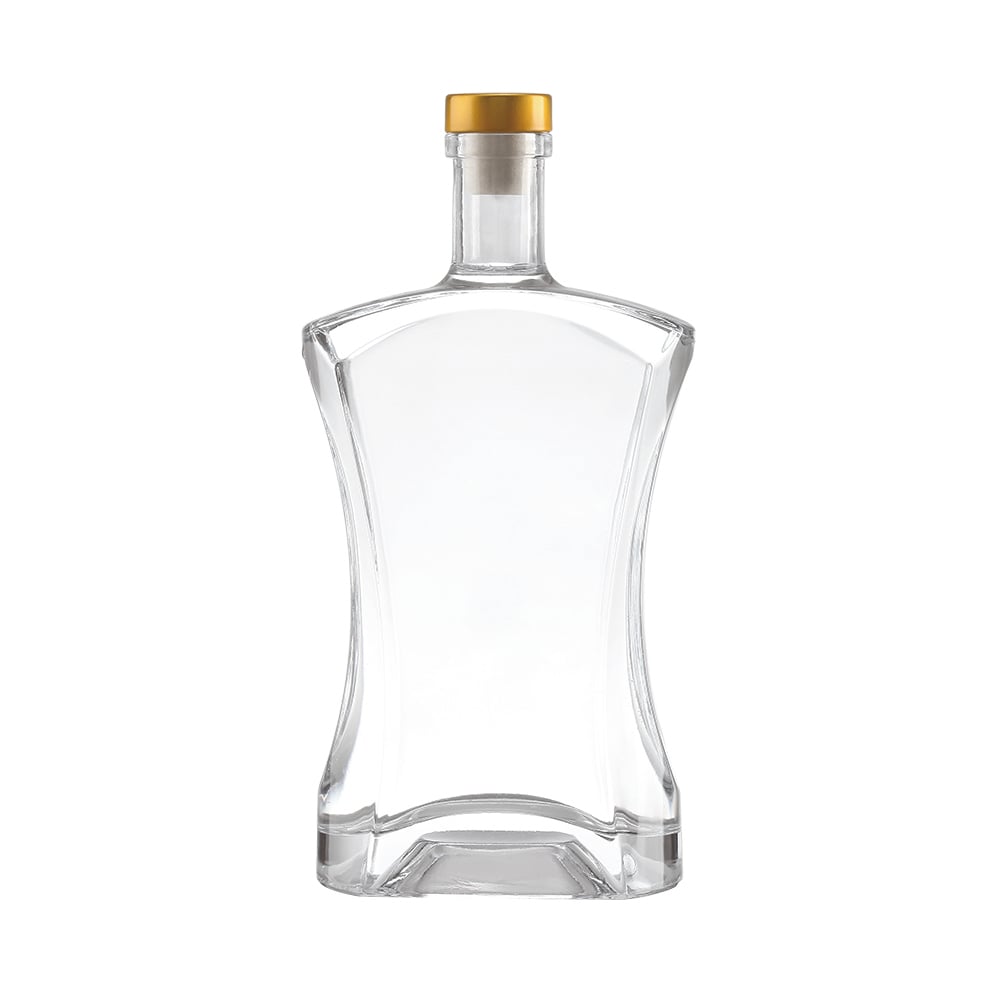
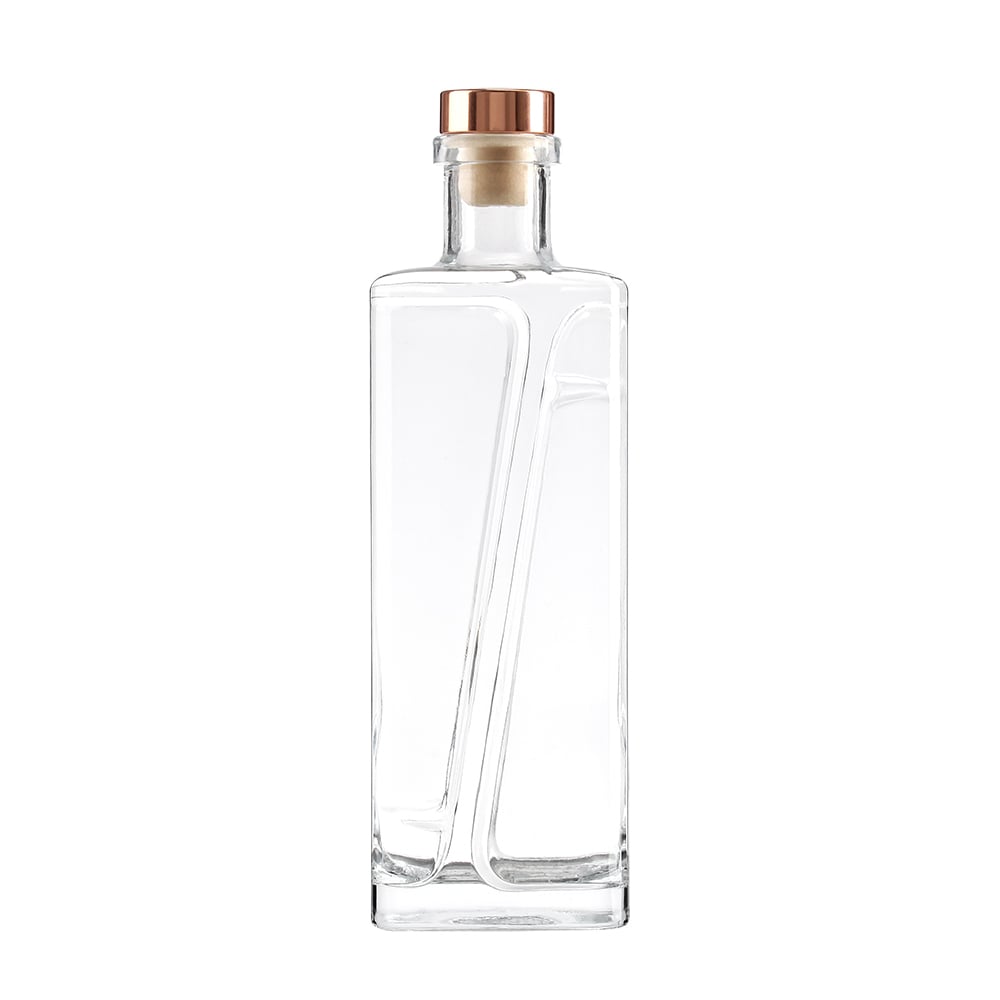
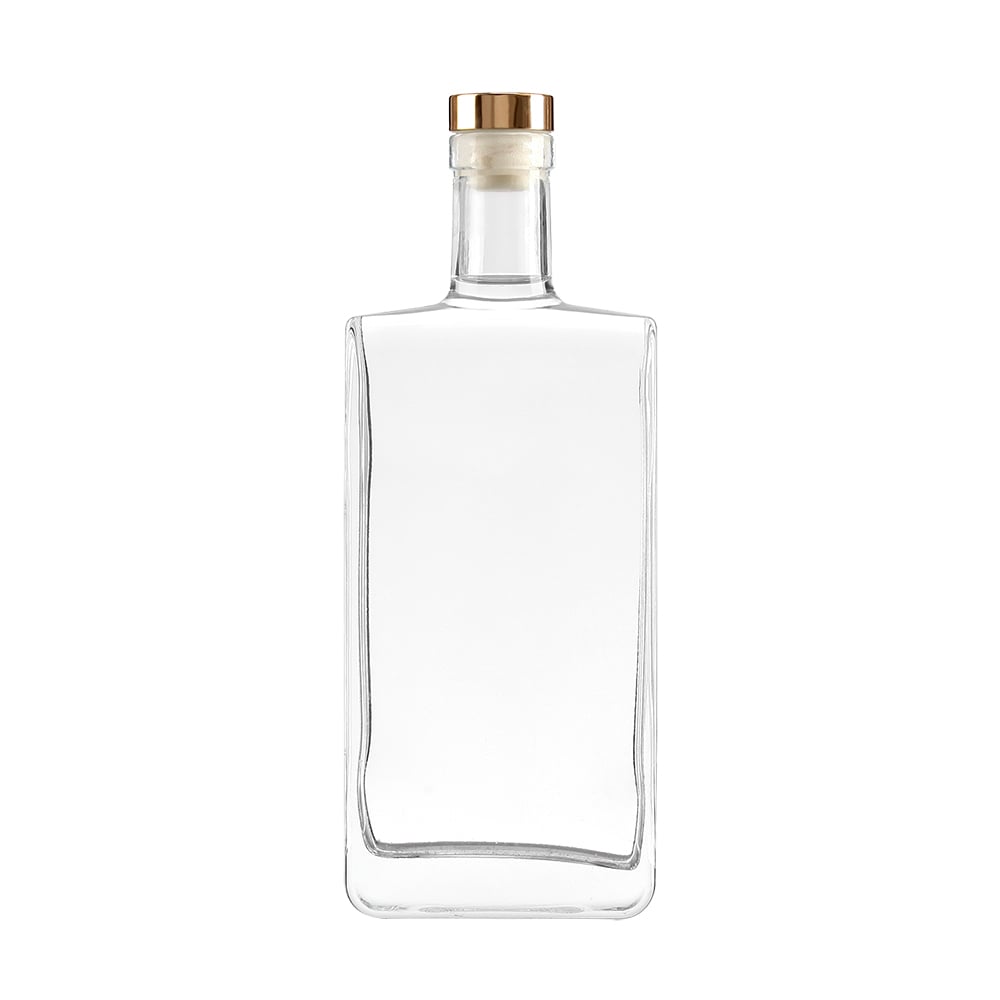
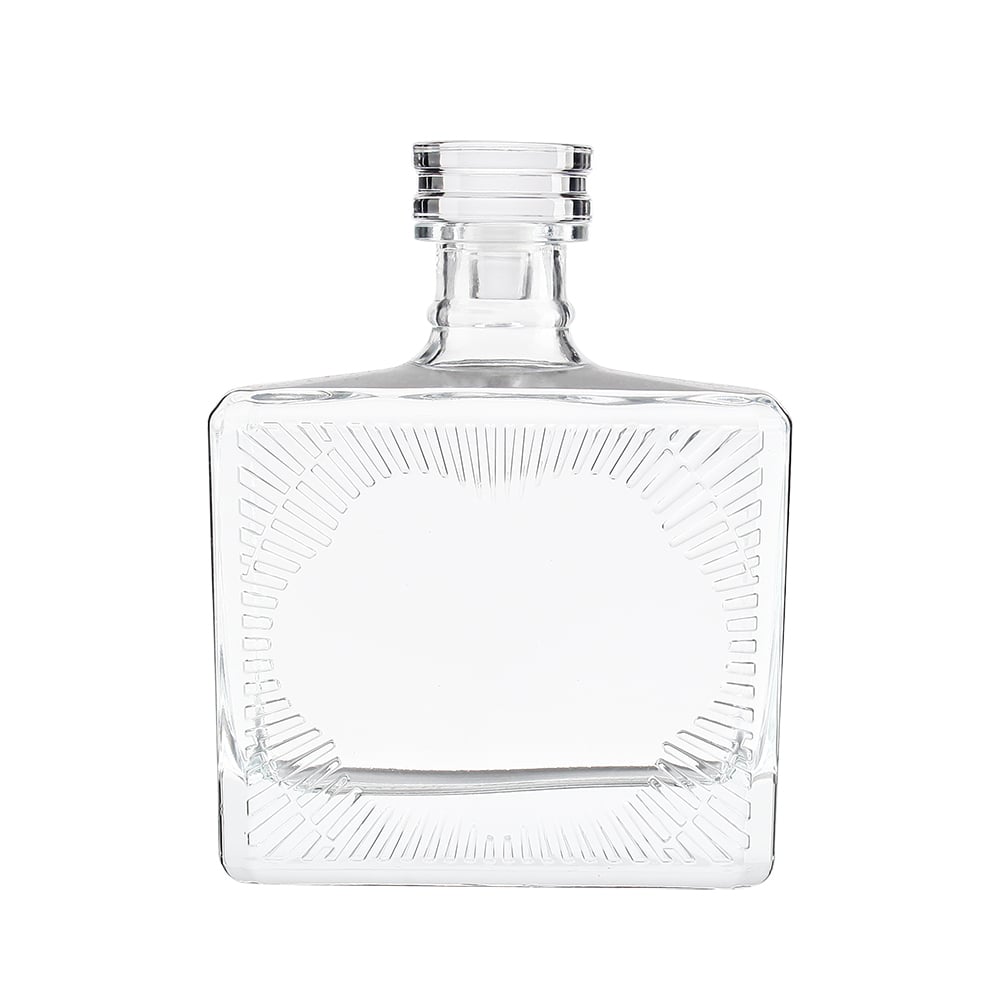
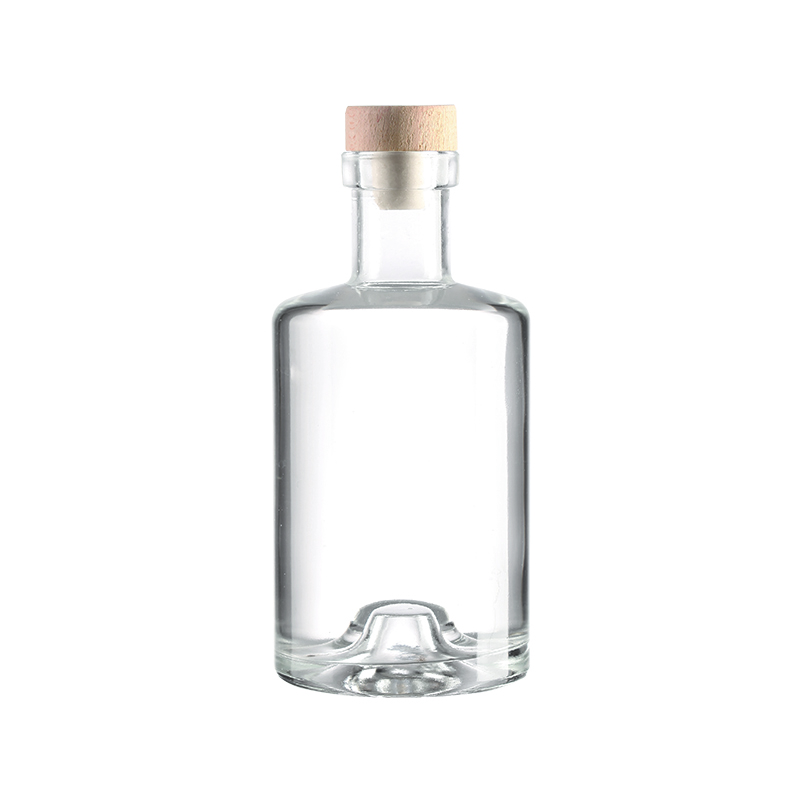
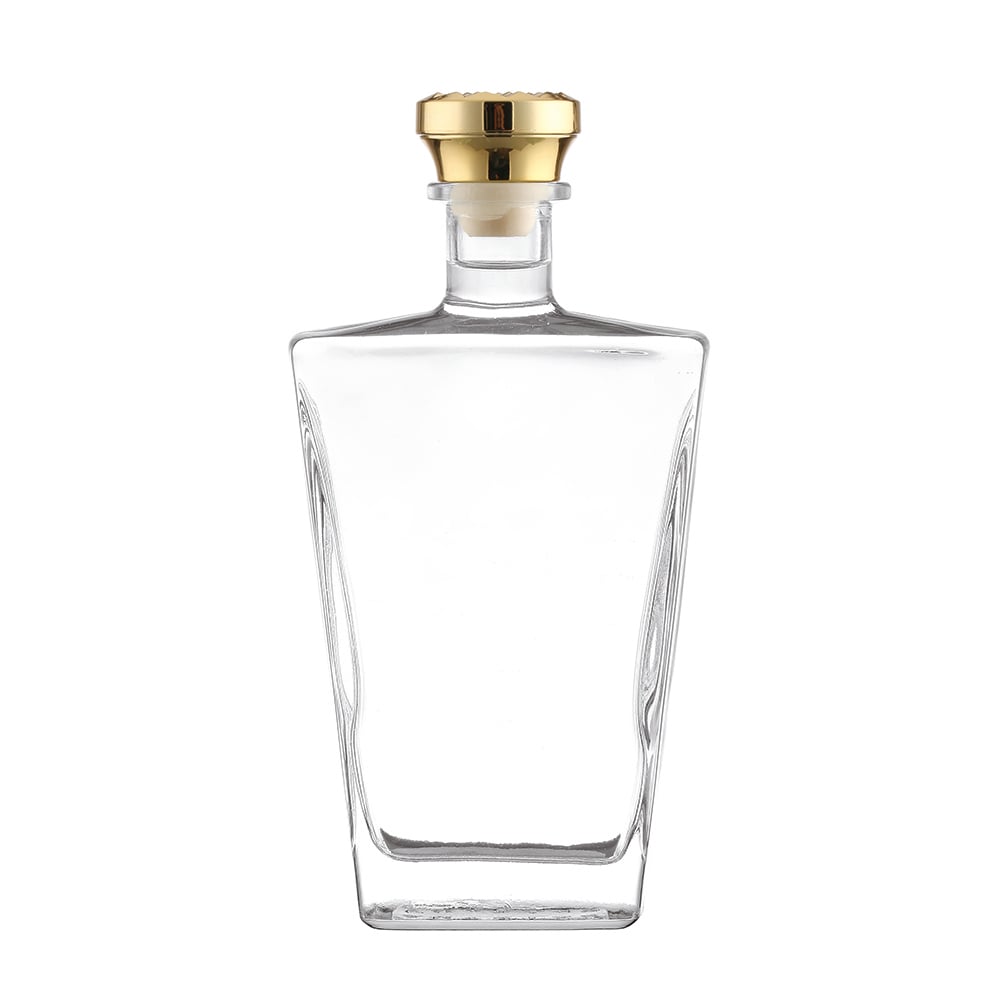
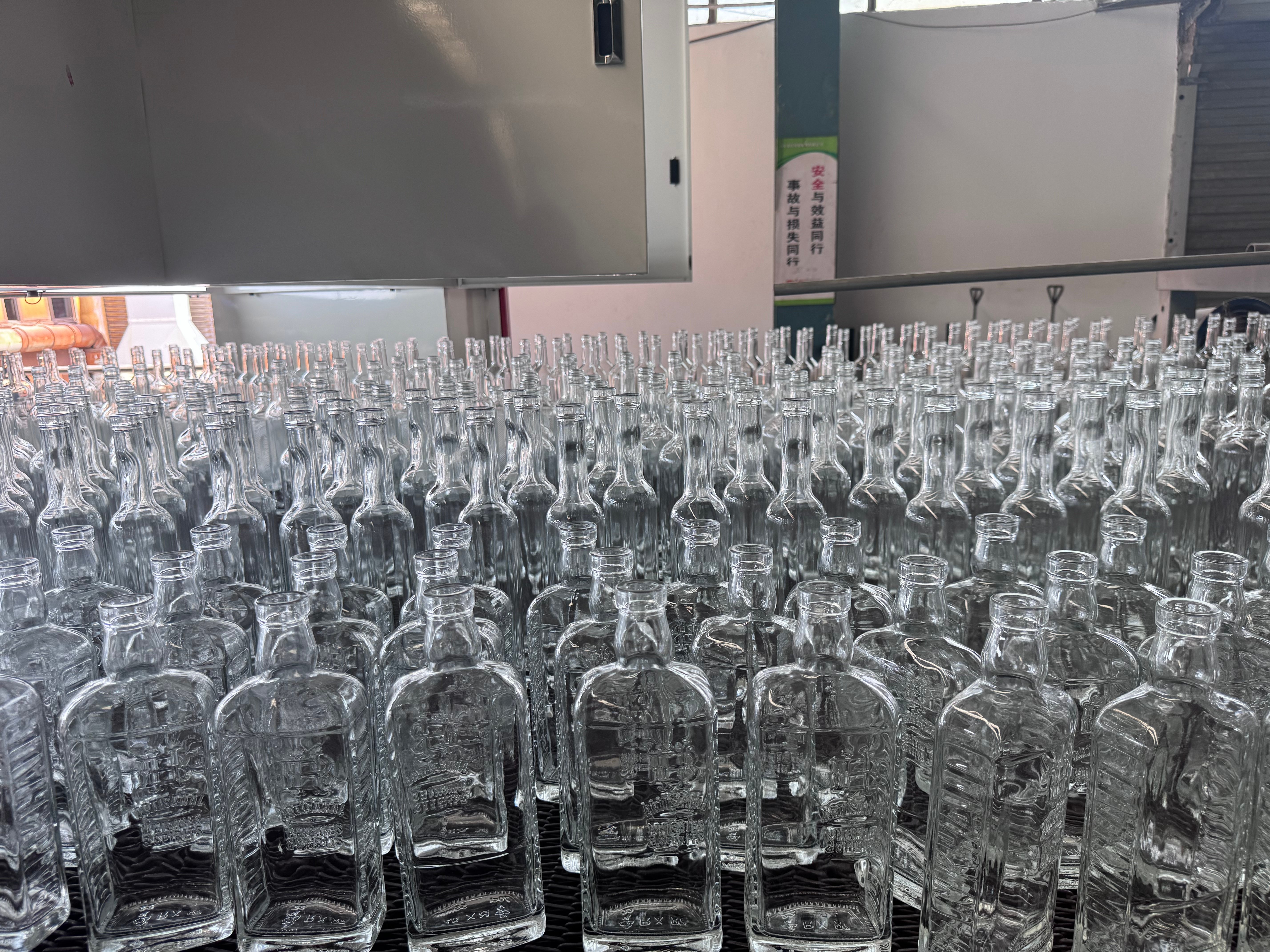
On a shelf of identical round bottles, a custom bottle shape is the strongest differentiation you can own. This is why premium spirits brands invest in custom liquor bottles and custom molds rather than stock formats.
Category cues matter too: a broad-shouldered square whiskey bottle signals tradition and strength, a tall flint vodka bottle reads clean and modern, a heavy-base tequila bottle feels artisanal, a rounded brandy bottle whispers elegance, and a gin bottle with botanical cues or colored glass stands out on the back bar.
We manufacture custom bottles for whiskey, vodka, tequila, brandy, gin, and every spirit category in between.
Frosted coating, screen printing, hot stamping, and embossed details tell the shopper "this is a premium product" before they even read the label. Surface finish is a silent salesperson.
A beautiful bottle that fails compliance never reaches the shelf. Before anything else, verify:
In the U.S., that means TTB label approval — net contents, alcohol by volume (ABV), the government health warning, and your plant/bottling location.
In the EU, EU 1169/2011 food information rules and market-specific alcohol labeling apply.
Budget approval time into your launch calendar; it is not instant.
Retailers require genuine GS1 UPC/EAN codes — one unique code per SKU. Codes bought from resellers are a common reason shipments get rejected at the warehouse.
Every chain has its own vendor manual: carton weight limits (Target, for example, caps cartons at 60 lbs), pallet configurations, and delivery window rules.
Read the manual before you design the shipper, not after.
Design the label with compliance space built in from day one — squeezing the warning text into a finished design is how expensive artwork revisions happen.
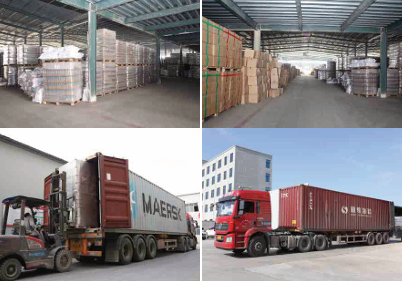
National retail means your bottle travels farther, gets handled more, and faces harsher stacking conditions.
Two rules matter:
Lightweight glass bottles cut freight cost per pallet and reduce carbon footprint — some programs ship 15–20% lighter than legacy formats.
But lighter must never mean weaker: the bottle has to survive stacking, vibration, and drops.
Demand ISTA drop-test data from your glass manufacturer, not just promises.
Retail-ready outer cartons, pallet patterns, and inner dividers are part of the packaging system.
A premium bottle shipped in a weak carton is a damage claim waiting to happen — and damage claims are the fastest way to lose a retail account.
Also plan traceability: lot codes or QR codes on the shipper and the bottle let you manage recalls and batch quality across the country.
Retail buyers ask one question nobody in the tasting room ever asked: Can you actually supply this consistently, at volume, on time?
Retailers rotate stock fast. Every batch must match — same glass color, same weight, same decoration, batch after batch.
A 91% light-transmission standard, controlled to ±1.5°C in annealing, is what keeps a clear bottle looking identical on every shelf in the country.
Retail launch dates are fixed.
A supplier that can pilot small runs for the local phase, then scale to hundreds of thousands for national launch — with the same tooling and the same quality — saves you a second supplier search at exactly the wrong time.
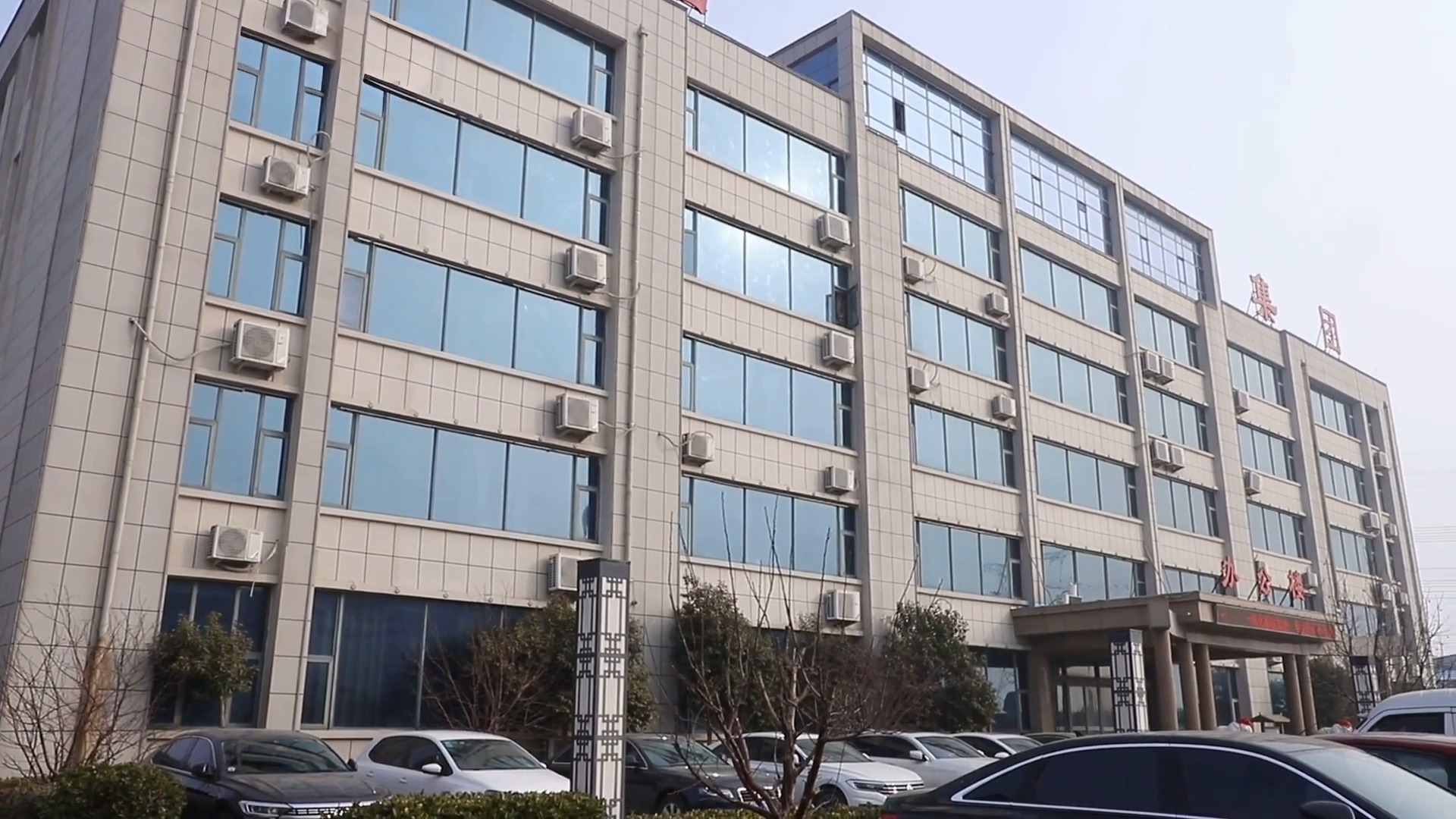
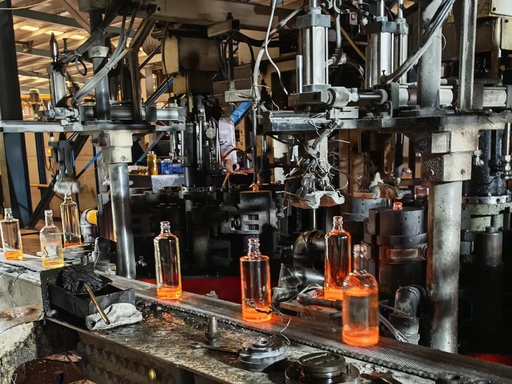
When mold making, glass forming, and decoration (spray coating, frosting, screen printing, hot stamping, embossing) happen under one roof, quality risk and coordination risk both drop.
That is the whole point of a vertically integrated glass bottle manufacturer.
| Stage | Check item | Status |
|---|---|---|
| Design | Front panel readable from 3 m | ☐ |
| Design | Distinctive shelf silhouette | ☐ |
| Compliance | TTB label approval obtained | ☐ |
| Compliance | GS1 UPC/EAN codes ready (one per SKU) | ☐ |
| Compliance | Target retailer's vendor manual reviewed | ☐ |
| Logistics | ISTA transit testing passed | ☐ |
| Logistics | Carton weight & pallet configuration compliant | ☐ |
| Production | Batch consistency validated | ☐ |
| Production | Lead time fits launch date | ☐ |
Going from local to national is not just a sales expansion — it is a packaging upgrade.
The brands that win the national shelf are the ones that treat packaging as a system: shelf appeal, compliance, durability, and scalability working together.
As a vertically integrated glass bottle manufacturer producing custom bottles for whiskey, vodka, tequila, brandy, gin, and other premium spirits — serving 40+ international spirits brands — we build that system with you: custom molds, precision forming, and a full in-house decoration line, from pilot runs to national-scale volume.
Send us your bottle spec and launch date, or explore our spirits packaging solutions at www.gloriousglassware.com — we will tell you exactly what it takes to be shelf-ready.
Ready to take your spirits brand from local to national?
Visit Glorious Glassware at www.gloriousglassware.com to explore our full range of custom whiskey bottles, vodka bottles, tequila bottles, brandy bottles, and gin bottles — plus decoration finishes and production capabilities.
Or send us your bottle specification and launch date for a retail-readiness assessment.
 Hot News
2026-10-20
2026-09-22
2026-08-17
2026-08-14
2026-08-10
2026-08-07

 EN
EN