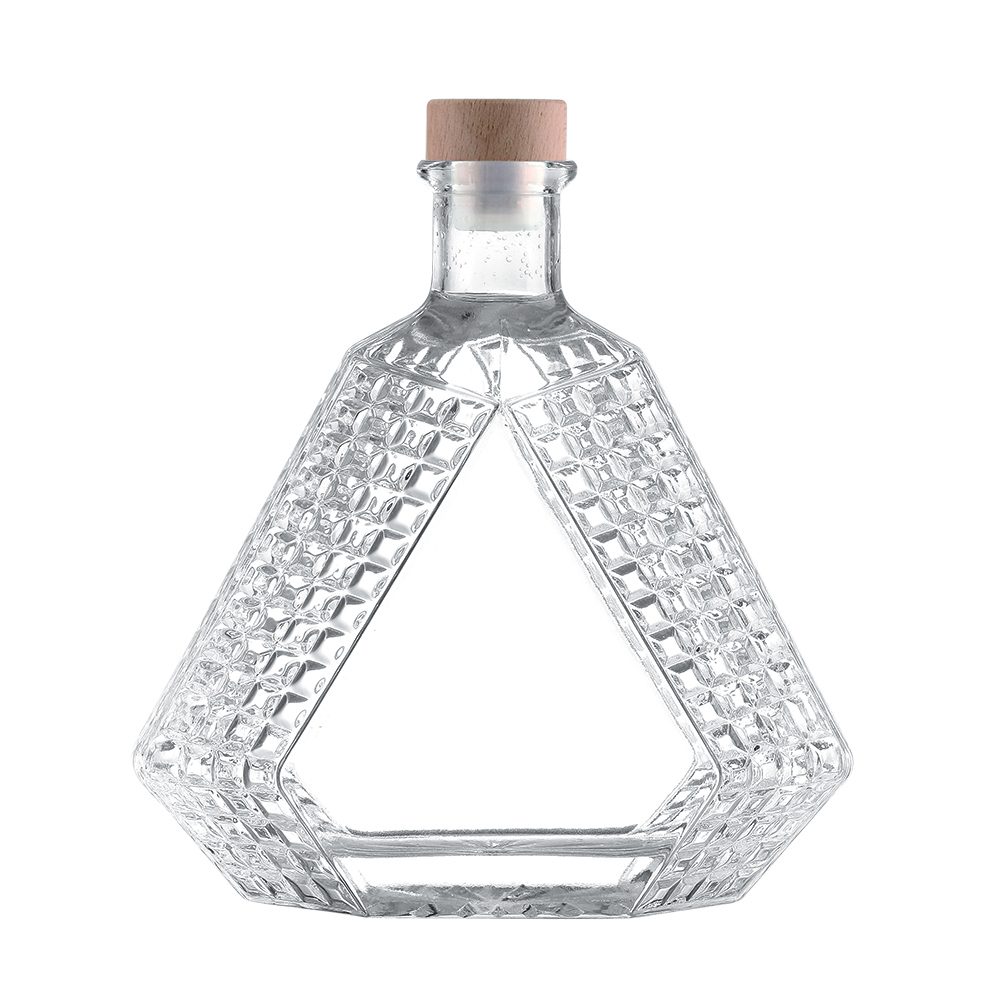
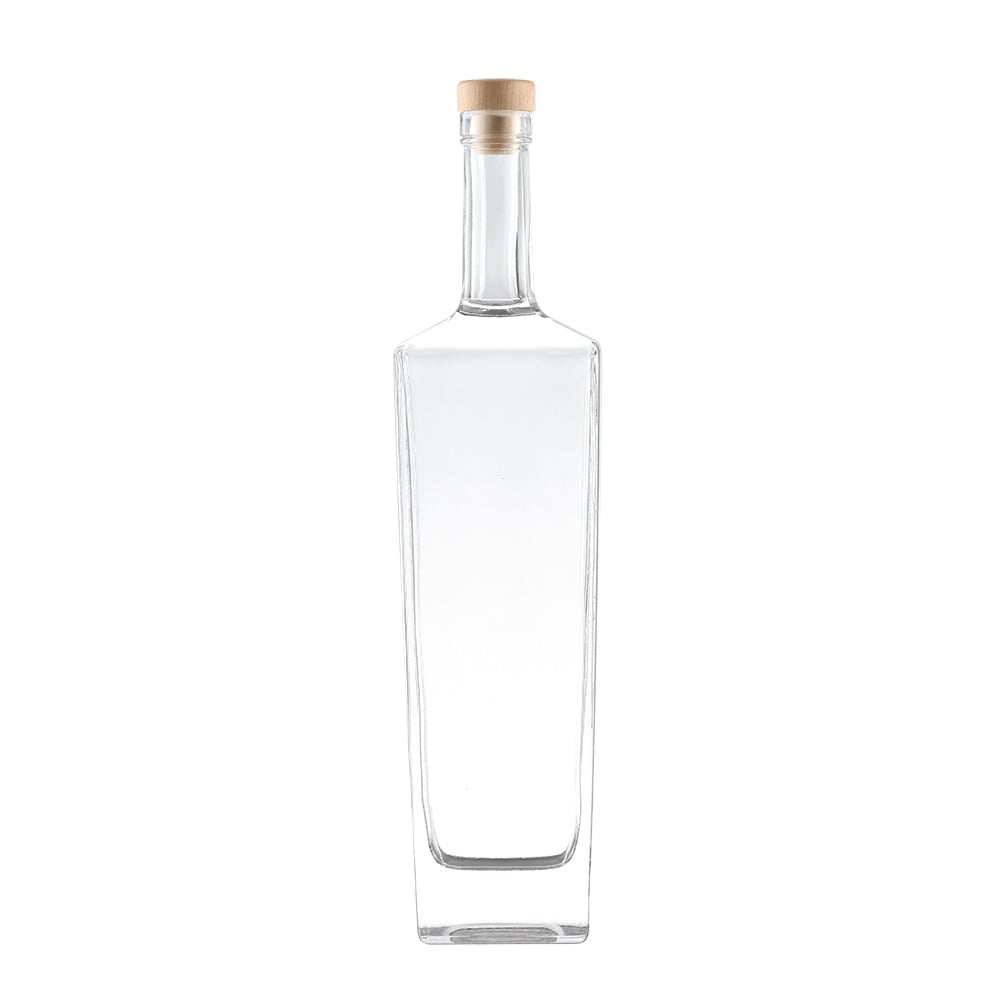
When requesting quotations for a custom spirit bottle, buyers often focus on the unit price while overlooking one important line:
Mold Fee: USD 3,500
Although it may look like a one-time development cost, the mold fee can significantly affect your long-term packaging costs, supplier flexibility, and even your brand's intellectual property.
Should you buy the mold outright or choose an amortized mold fee?
The answer depends on your production volume, cash flow, and long-term business strategy.
In this guide, we'll compare both models, explain when each makes sense, and show you how to avoid hidden costs in glass bottle quotations.
Every custom glass bottle requires a dedicated production mold.
The mold determines the bottle's:
Shape
Dimensions
Bottom thickness
Neck finish
Surface details
Embossed or engraved logo
Because molds require precision machining, manufacturers usually charge a development fee before mass production begins.
Most suppliers offer two pricing options:
| Buyout | Amortized |
|---|---|
| One-time payment (typically USD 2,500–5,000) | Mold cost spread across each bottle |
| No future mold charges | Additional USD 0.05–0.15 per bottle |
| Better mold ownership protection | Lower initial investment |
Production: 3,000–5,000 bottles
Mold fee: USD 3,500
Effective mold cost:
3,000 bottles = USD 1.17/bottle
5,000 bottles = USD 0.70/bottle
Extra mold charge:
USD 0.10/bottle
Choose Amortized.
If you're testing a new product or entering a new market, preserving cash flow is usually more valuable than owning the mold.
Production: 10,000–30,000 bottles
At approximately 30,000 bottles, the effective mold cost under a buyout drops to roughly USD 0.12 per bottle, close to the typical amortized charge.
This is the crossover point.
If repeat orders are likely, buying the mold often becomes the more economical option.
Production: 100,000+ bottles
USD 3,500 ÷ 100,000 bottles
= USD 0.035 per bottle
USD 0.10 × 100,000 bottles
= USD 10,000
The difference is substantial.
Over large production runs, a buyout can save more than USD 6,000, enough to fund another complete mold set.
Before deciding, evaluate these five factors.
Under 10,000 bottles → Amortized
Over 30,000 bottles → Buyout
If you've invested in a distinctive bottle shape, owning the mold provides stronger protection against unauthorized reproduction.
Less than one year → Amortized
Long-term product line → Buyout
This question is often more important than the mold fee itself.
Your agreement should clearly specify:
Who owns the mold
Whether the supplier can manufacture identical bottles for other customers
The duration of exclusivity
Penalties for unauthorized use
Without these clauses, paying for a mold doesn't necessarily guarantee exclusivity.
A startup may prefer lower upfront investment.
An established brand may prioritize lower lifetime costs.
Choose the model that aligns with your financial strategy.
A European distillery ordered 5,000 bottles twice using an amortized mold fee of USD 0.15 per bottle.
Total mold payments:
First order: USD 750
Second order: USD 750
Total: USD 1,500
Initially, this appeared cheaper than paying USD 3,500 upfront.
However, three months later, the manufacturer sold the same bottle design to another spirits brand because the agreement contained no exclusivity clause.
The buyer had no legal protection.
A U.S. tequila producer purchased the mold outright for USD 3,500 on an initial order of 30,000 bottles.
Over four years, the company placed four additional repeat orders, reaching 120,000 bottles.
Compared with an amortized fee of USD 0.10 per bottle, the company saved approximately USD 12,000.
Even more importantly, the supply agreement stated:
"The mold shall remain exclusive to the customer for five years."
The manufacturer never produced the bottle for competing brands.
Before approving a quotation, ask these questions:
Is the mold fee a buyout or an amortized model?
If I buy the mold, will you sign an exclusive mold ownership agreement?
If the mold fee is amortized, when does the amortization end? Will future orders continue paying the surcharge?
These simple questions can prevent thousands of dollars in unexpected costs.
| Expected Volume | Recommended Model | Key Negotiation Point |
|---|---|---|
| Under 10,000 bottles | Amortized | Set a maximum amortization amount |
| 10,000–30,000 bottles | Negotiate | Compare buyout and amortized costs carefully |
| Over 30,000 bottles | Buyout | Include 5-year exclusivity and breach penalties |
The glass bottle mold fee is far more than a tooling expense.
It affects your production costs, supplier flexibility, and the protection of your bottle design for years to come.
The lowest quotation isn't always the lowest total cost.
Before choosing a supplier, understand exactly how the mold fee works—and make sure your contract protects both your investment and your brand.
If you're comparing quotations from multiple manufacturers, reviewing the mold fee structure is one of the smartest ways to identify hidden costs before production begins.
 Hot News
2026-10-20
2026-09-22
2026-08-17
2026-08-14
2026-08-10
2026-08-07

 EN
EN