EN

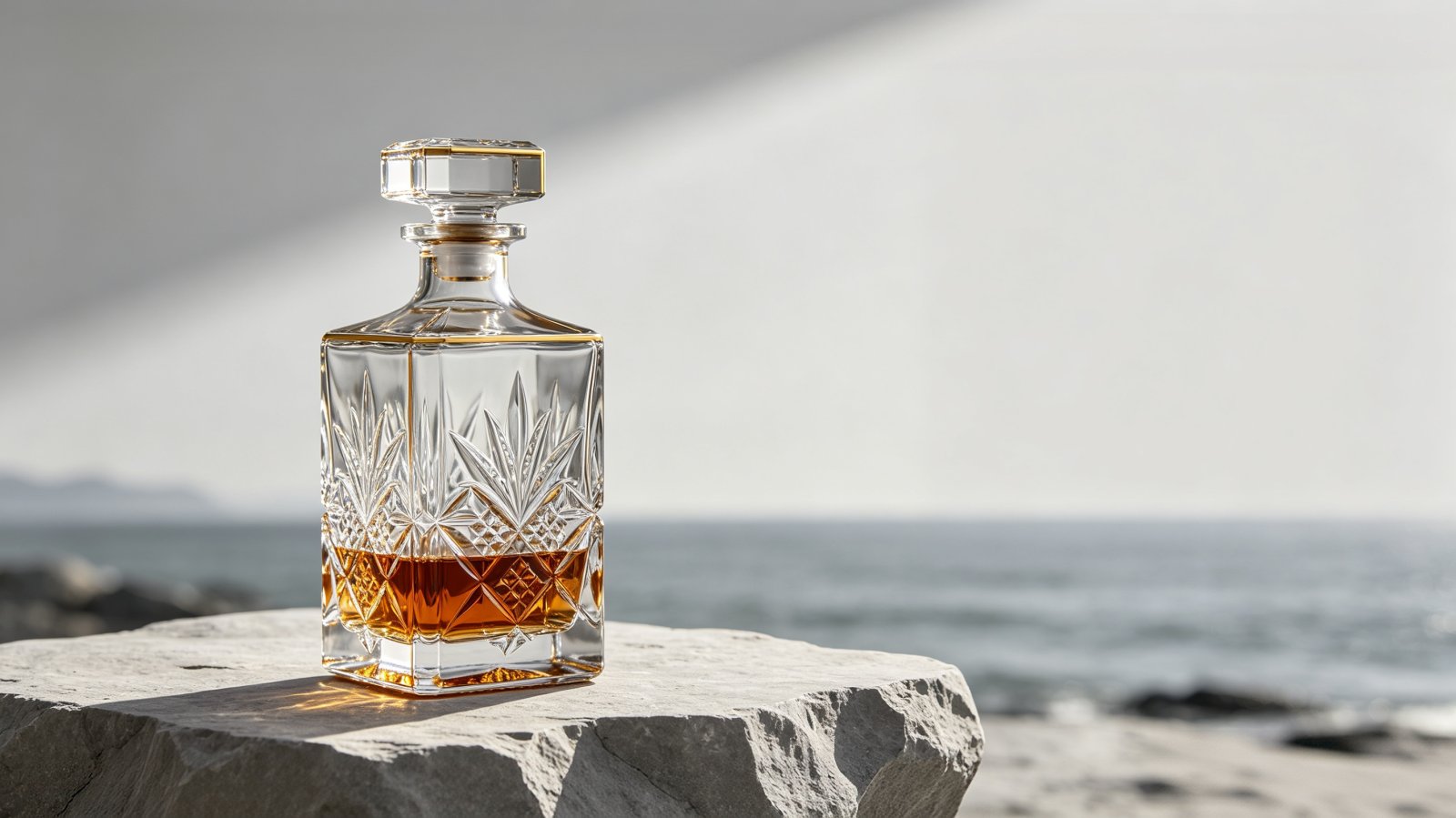
A UK craft gin distillery needed to develop and mass-produce a limited-edition custom spirits bottle in just 45 days for the Christmas season. By combining rapid 3D modeling, accelerated custom mold development, and fully in-house glass forming and matte coating, we delivered 12,000 finished custom liquor bottles from sketch to shipment within 45 days. The client launched on schedule, and the limited edition sold out within three weeks.
1. Executive Summary
For a seasonal spirits release, the launch window is fixed and unforgiving. This case study breaks down exactly how we compressed a normally 60–75 day custom mold cycle into 45 days — without compromising the deep embossing detail, the matte coating quality, or the premium bottle weight that the brand needed.
Most factories can hit a fast timeline or a deep embossing spec — rarely both. This project was delivered with both, plus in-house matte coating, under one roof and one point of accountability.
2. Client Background
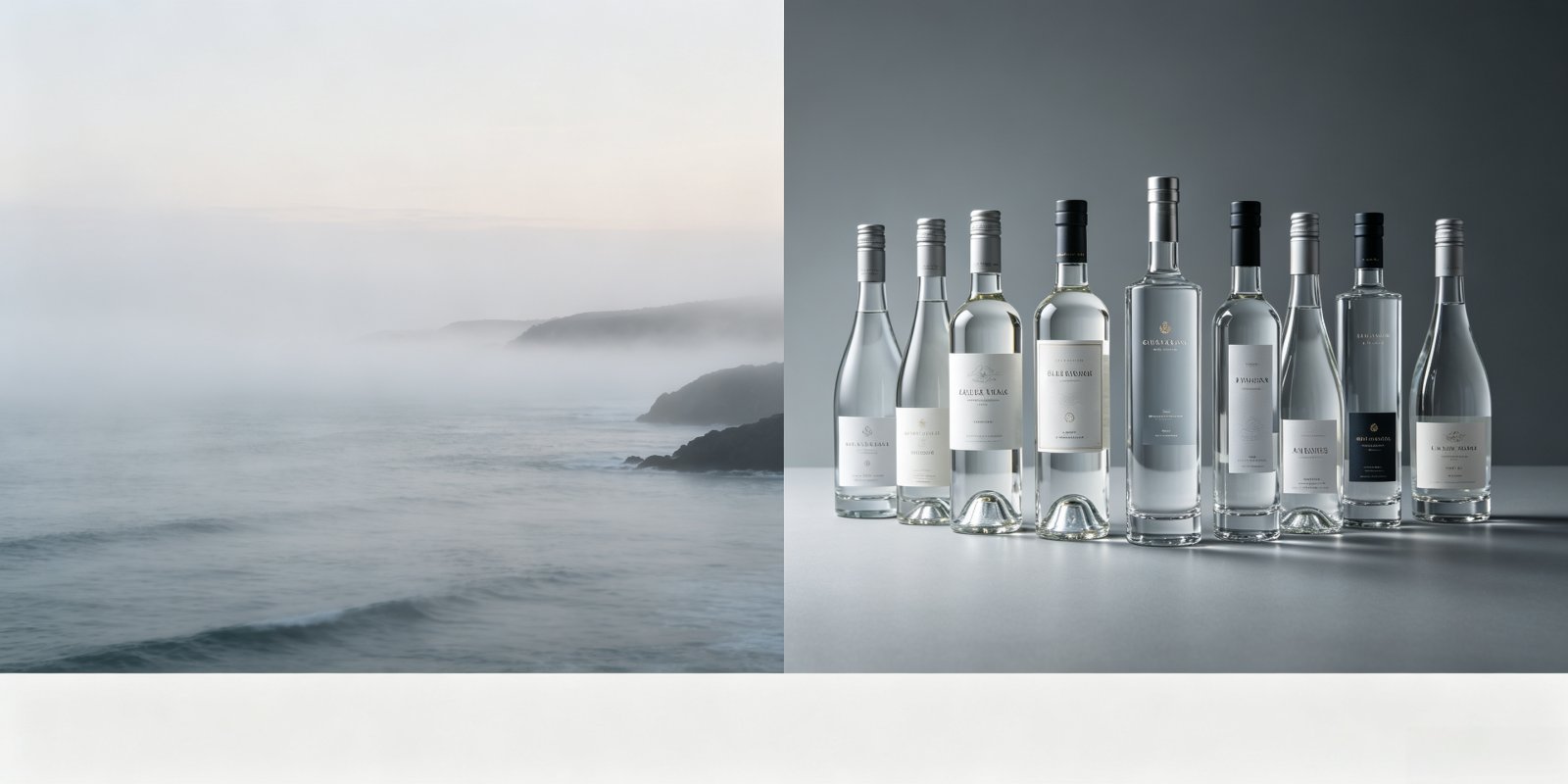
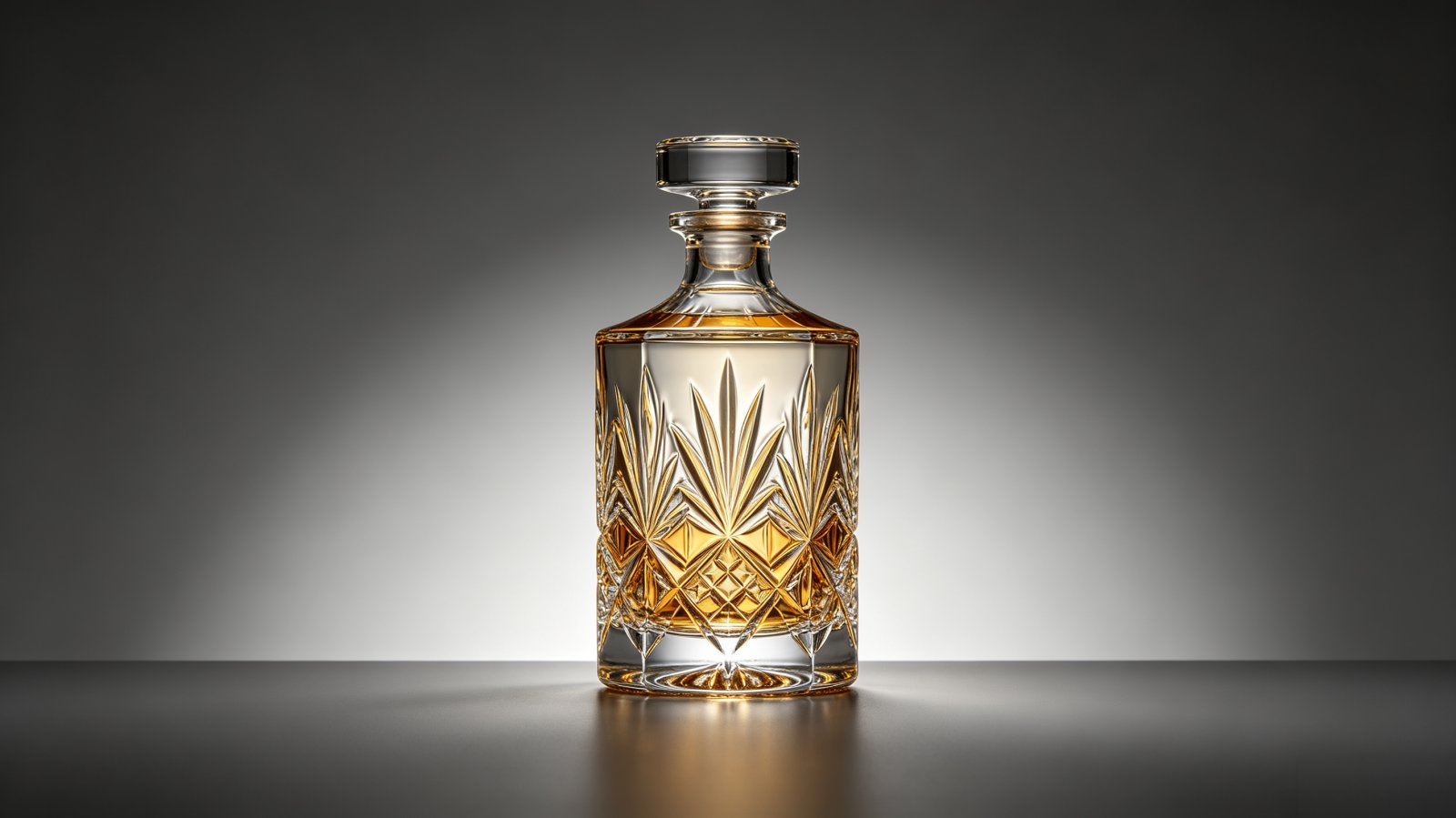
The client is a craft gin distillery based in southern England, producing approximately 80,000 bottles annually for premium UK retail and selected European export markets. They planned to release a limited-edition gin for the Christmas season. The bottle design needed to reflect a "coastline" theme, featuring irregular wave embossing on the body, a thickened base, and an overall weight and presence noticeably higher than their existing standard bottle.
As a custom glass bottle manufacturer serving spirit brands across Europe, we understood that for a craft distillery at this scale, the bottle is not packaging — it is part of the brand identity. A private label liquor bottle that feels premium in the hand directly supports shelf presence and pricing power.
3. The Challenge
The client had already contacted three suppliers before approaching us. All three presented the same set of obstacles:
- Mold lead time: Standard custom mold development cycles ranged from 60 to 75 days, which would push production past the Christmas retail window. For a seasonal spirits release, missing that window means losing an entire year of sales.
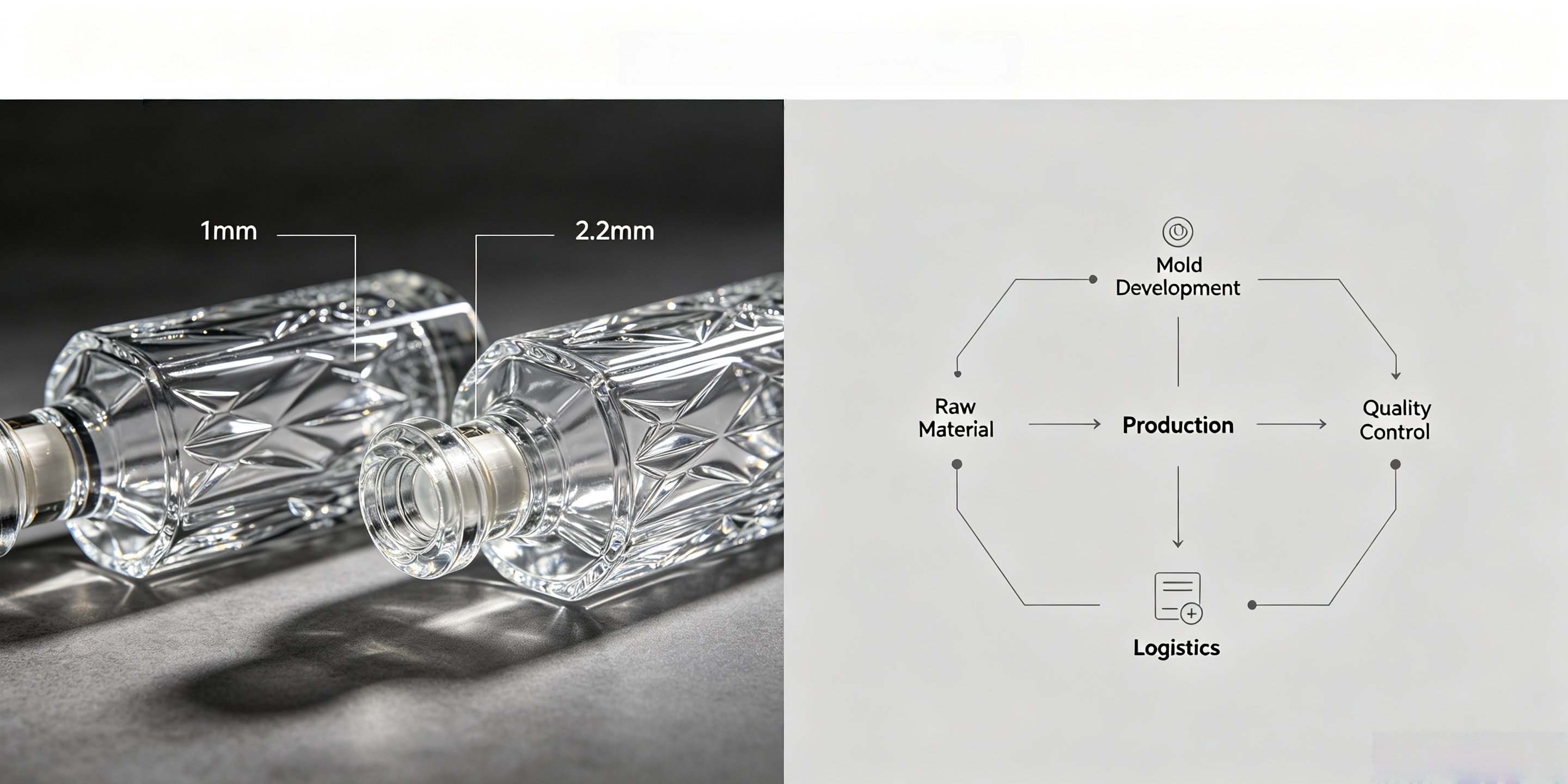
- Embossing depth limitation: One supplier stated that wave embossing depth could only reach 1mm, otherwise production yield would drop significantly. However, at 1mm, the embossing was nearly invisible on dark glass — defeating the entire design concept.
- MOQ barrier: The client's expected order quantity was 10,000 units, but most factories required a minimum order of 30,000 units. For a limited-edition craft spirits bottle, over-ordering ties up capital and warehouse space.
- Coating outsourcing: The client also needed a matte spray coating on the bottle body. Their previous supplier outsourced this process, making lead times unpredictable and quality control difficult.
The client's project lead put it plainly:
This is a common pain point in the custom spirits bottle industry. Brands often find themselves coordinating between a mold shop, a glass factory, and a decoration subcontractor — each with its own schedule, its own quality standards, and its own excuses. For a limited-edition release with a fixed launch date, that fragmentation is fatal.
4. The Solution
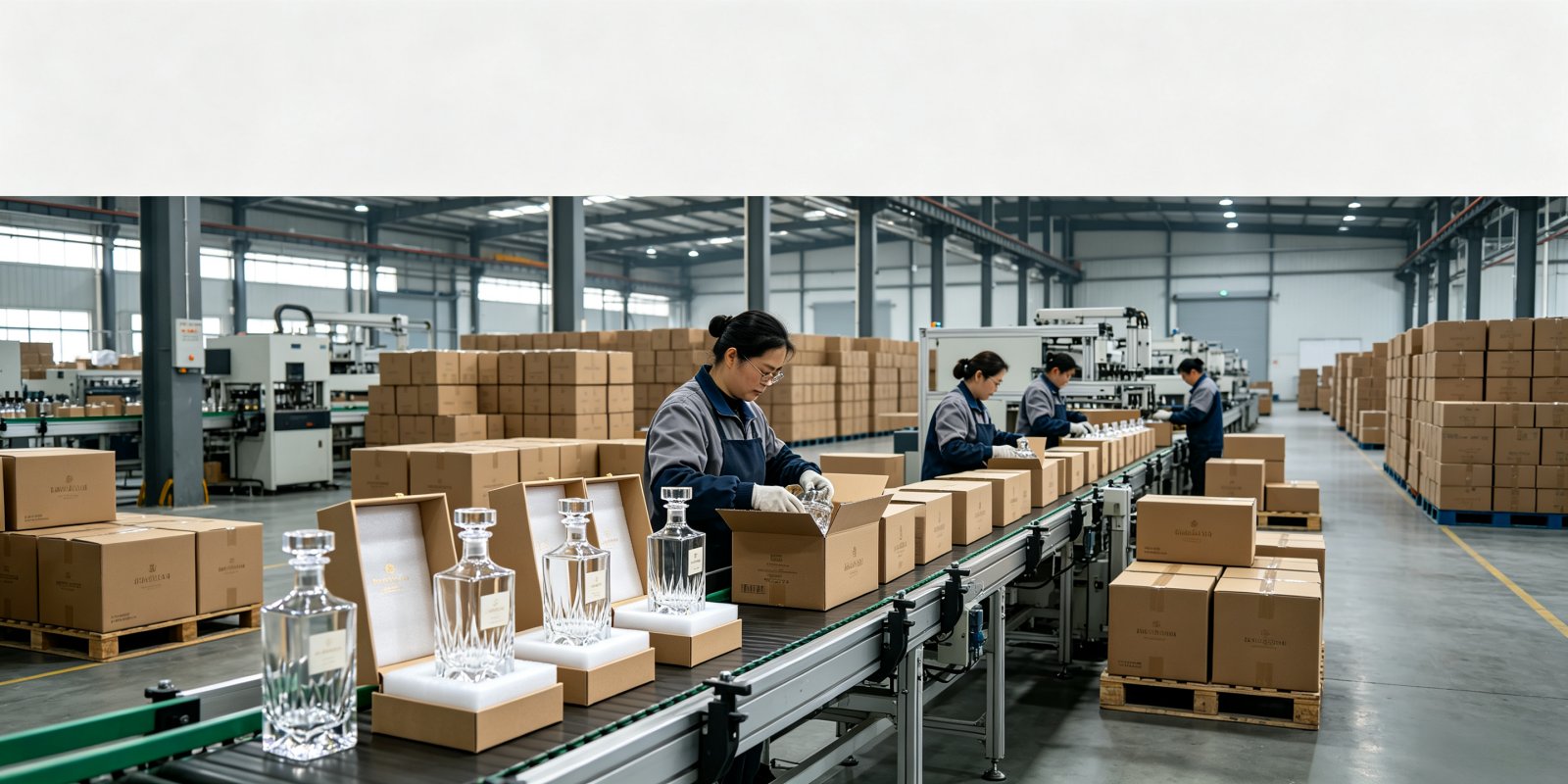
We structured the project around a single principle: keep every critical process in-house. From mold development to glass forming to matte coating, nothing was outsourced. This is what made a 45-day timeline possible for a custom molded spirits bottle with deep embossing.
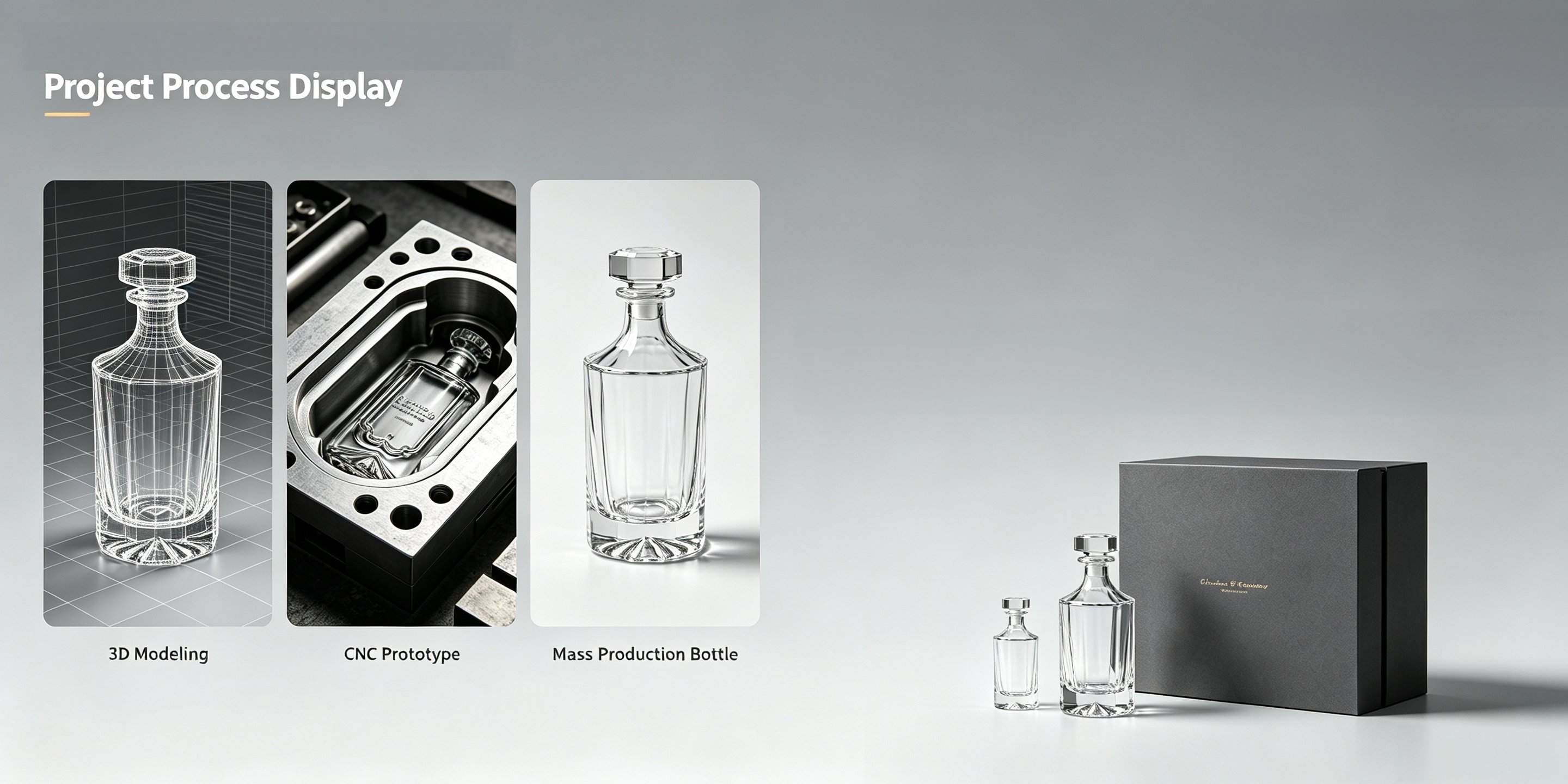
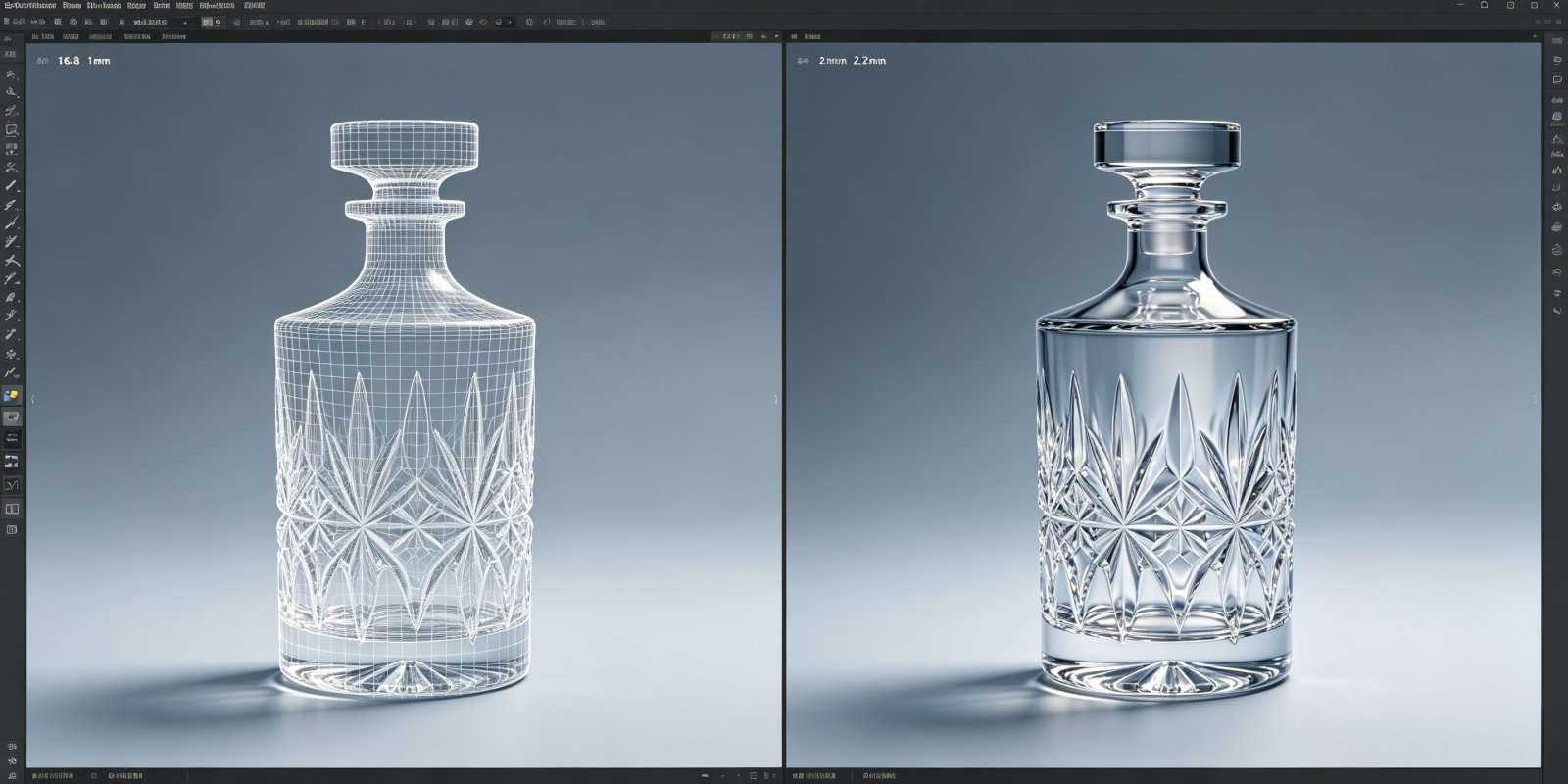
Based on the client's hand-drawn sketches and reference images, we completed 3D modeling of the custom gin bottle and produced two embossing depth options: 1.5mm and 2.2mm. We rendered both options under simulated retail lighting so the client could see how the wave pattern would interact with light and shadow on dark glass.
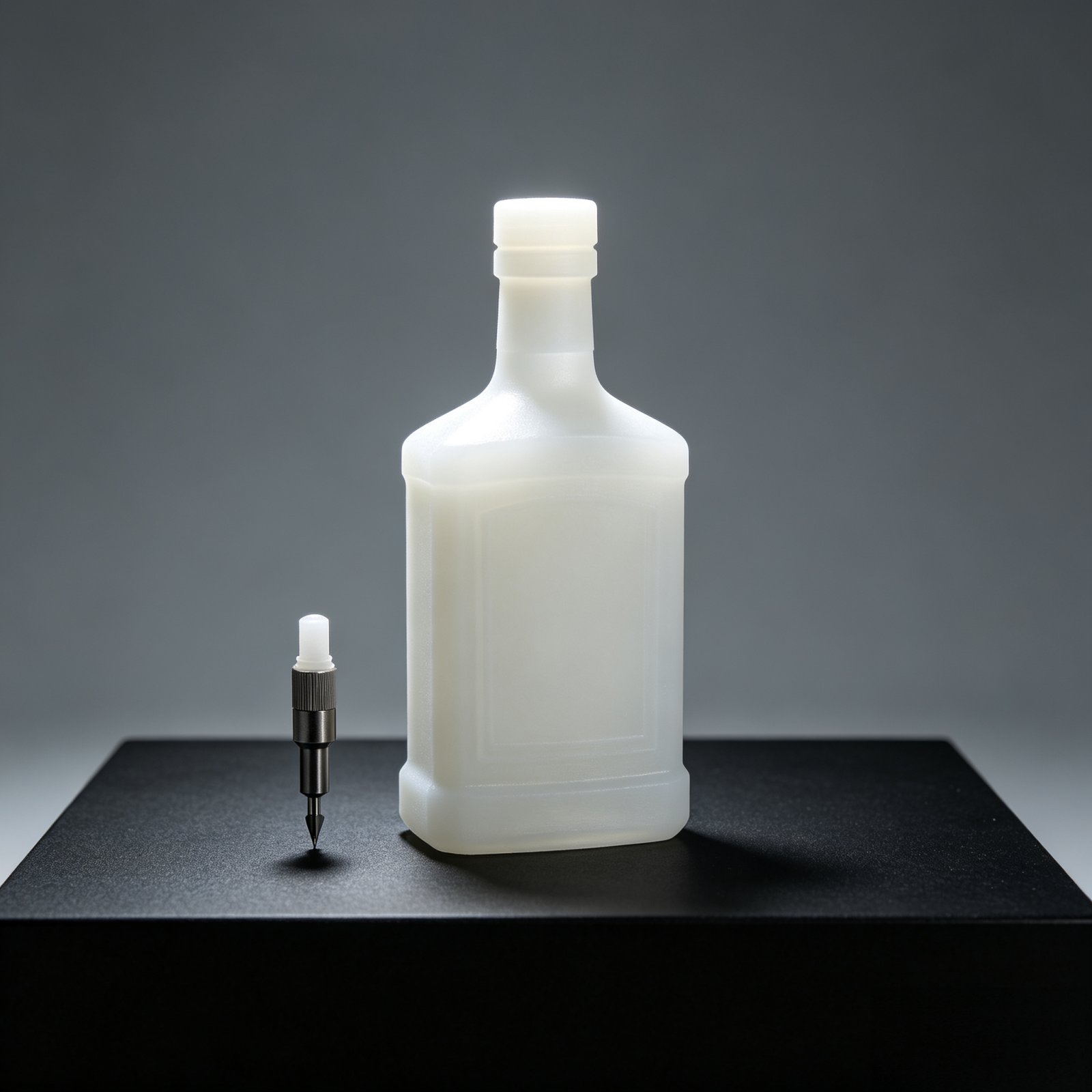
Using CNC engraving, we produced a 1:1 resin prototype of the custom liquor bottle. The client was able to hold the prototype, feel the wave embossing, and evaluate the tactile quality. After reviewing the physical sample, they selected the 2.2mm depth option — nearly double what their previous supplier had claimed was feasible.
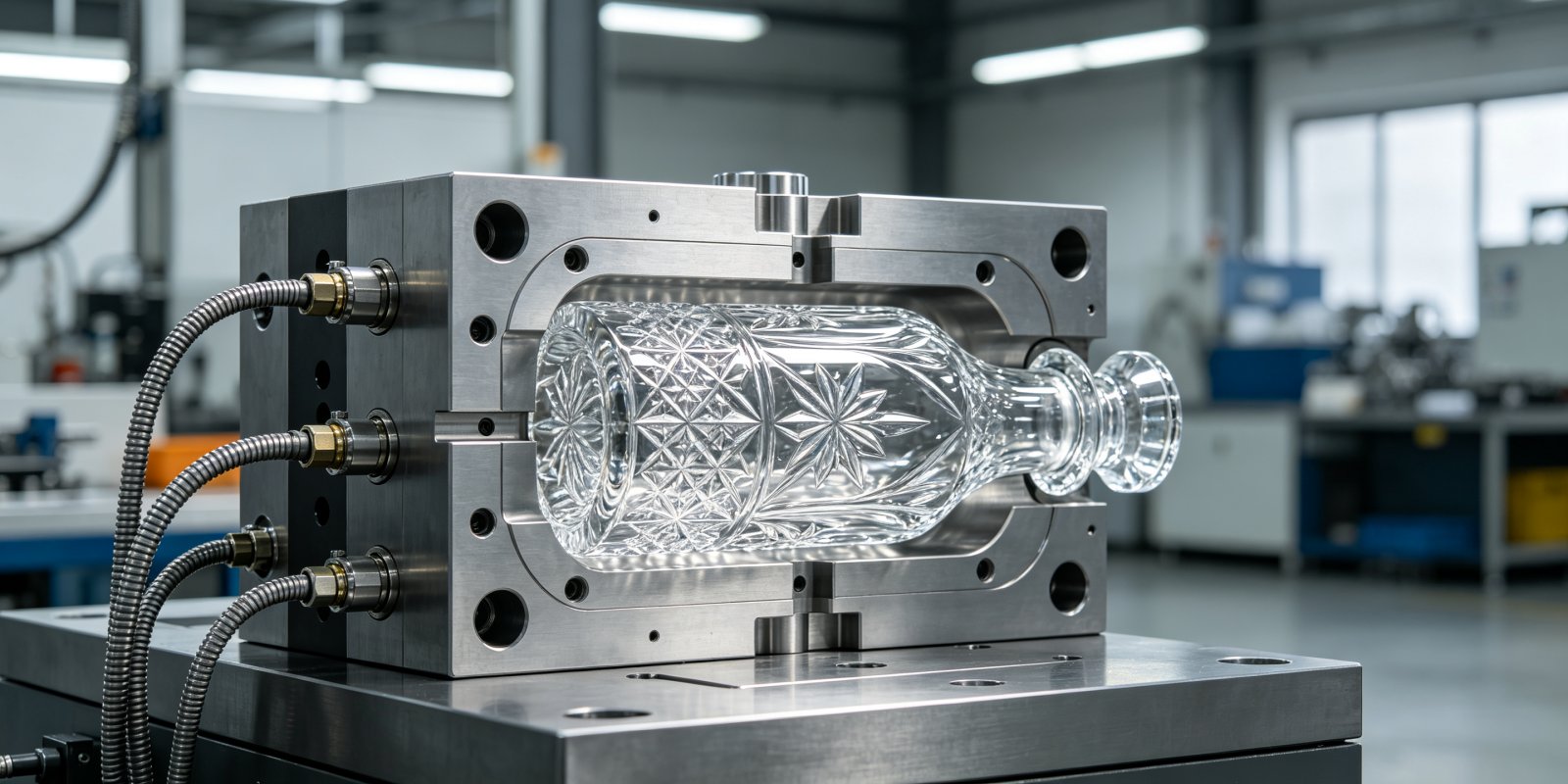
We completed mold development and debugging within 16 days. Because the embossing was deeper than standard, we made localized optimizations to the mold cooling system. This ensured uniform glass thickness in the embossed areas and prevented cold marks — a common defect when deep embossing is combined with dark glass. For any brand considering custom glass bottle molding, this step is where most suppliers cut corners. We did not.
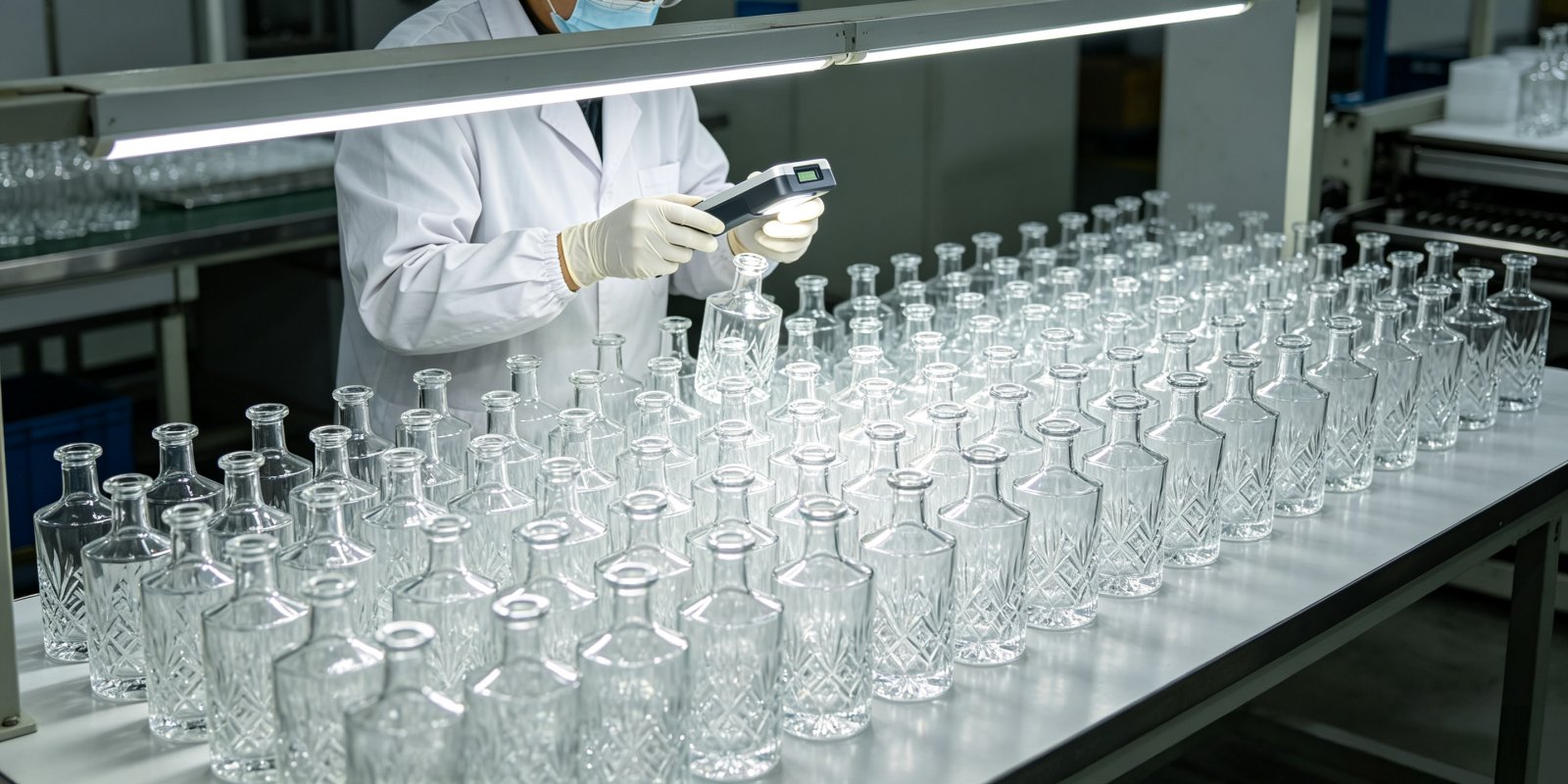
We produced a 500-unit trial batch for dimensional inspection, weight verification, and matte coating adhesion testing. The client approved the samples, and we moved directly into mass production. The trial run also allowed us to fine-tune the coating parameters for the specific surface texture of the embossed areas.
We completed 12,000 units of mass production, applied the matte coating in-house, performed full inspection, and packed for shipment. The entire process — mold, glass forming, and coating — was completed under one roof, with no outsourcing at any stage.
5. The Results
- Lead time: 45 days from sketch confirmation to finished goods shipment — 5 days ahead of the client's target. For a custom mold spirits bottle with deep embossing and matte coating, this is significantly faster than the industry standard of 60–75 days.
- Quality yield: Under AQL 2.5 inspection standards, the batch rejection rate was zero. The client's own spot checks found no blurred embossing or coating color deviation.
- Market performance: The limited edition sold out within three weeks across the client's website and retail partners. The client subsequently placed a repeat order for 8,000 units for the following spring's airport duty-free channel.
- Weight and perceived value: The finished custom gin bottle weighed 680g — 22% heavier than the client's existing standard bottle. The client reported: "The weight alone tells customers this is a premium product."
For a craft spirits brand, that weight difference is not just a physical specification. It is a marketing asset. A heavier custom liquor bottle signals quality before the customer even reads the label.
6. Client Testimonial
7. Call to Action
Planning a custom spirits bottle for your next limited-edition release? Send us your sketch or reference image. We will come back with a 3D rendering and a mold timeline within 5 business days — no obligation, no vague promises.
Whether you need a custom glass bottle manufacturer for a craft gin bottle, a private label whiskey bottle, or a limited-edition rum bottle, we handle mold development, glass production, and decoration in-house. One partner, one timeline, one point of accountability.