
 EN


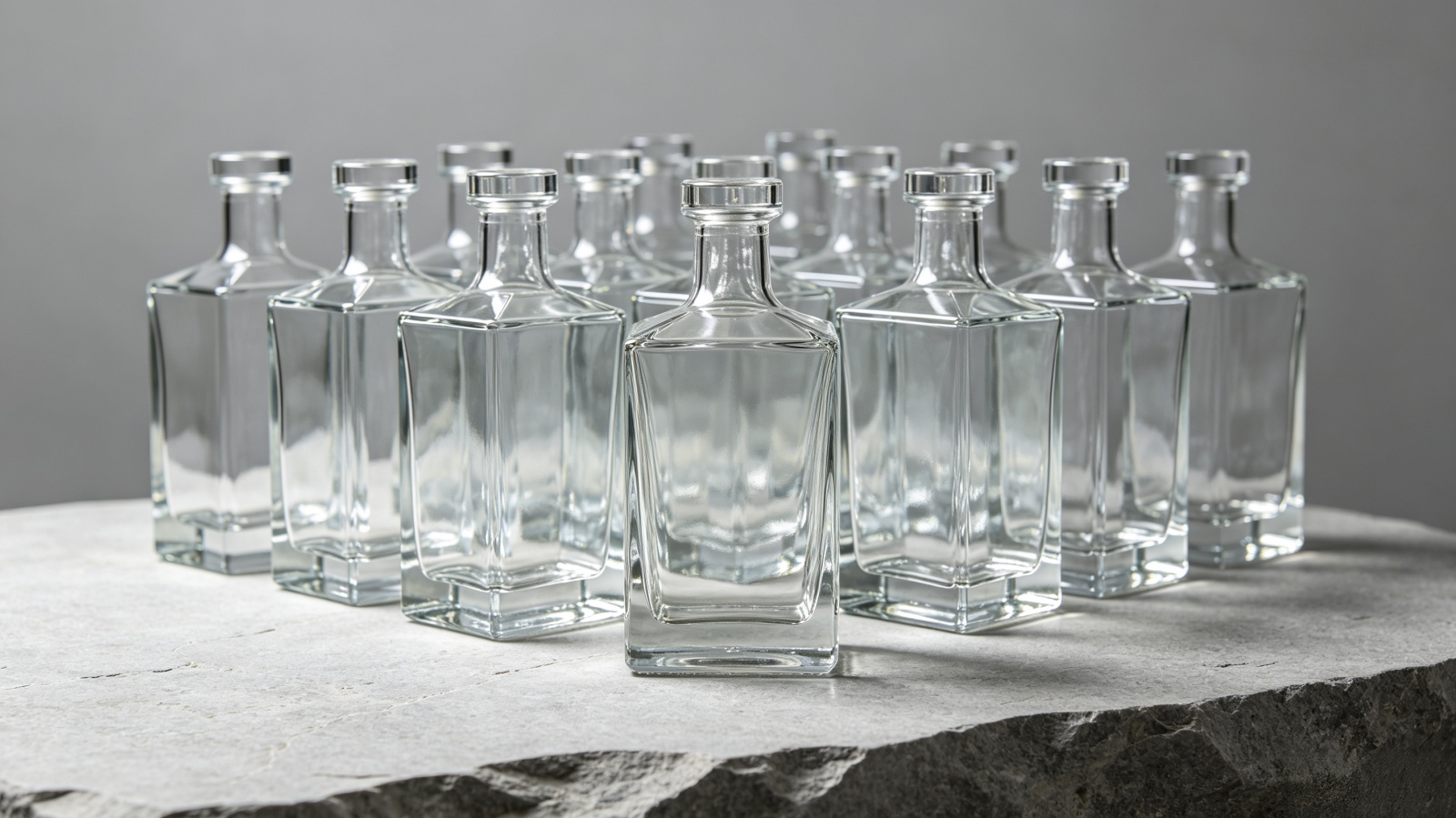
A German rum importer had been struggling with inconsistent glass thickness in their rum bottles for over two years. Their previous supplier's batch rejection rate had reached 15%, causing filling line downtime, cork leakage, and over €18,000 in annual sorting and return costs. After switching to our custom glass bottle manufacturing, six consecutive production runs achieved rejection rates below 2%. The client's annual purchase volume grew from 120,000 to 300,000 units.
1. Executive Summary
For a spirits importer running high-speed filling lines, batch-to-batch consistency is not a nice-to-have — it is the baseline. This case study breaks down exactly how we diagnosed and solved systemic glass quality problems that had persisted for over two years.
Many factories can produce a perfect sample. Far fewer can reproduce that sample consistently across hundreds of thousands of units. This project proves that documented, repeatable quality is achievable at scale.
2. Client Background
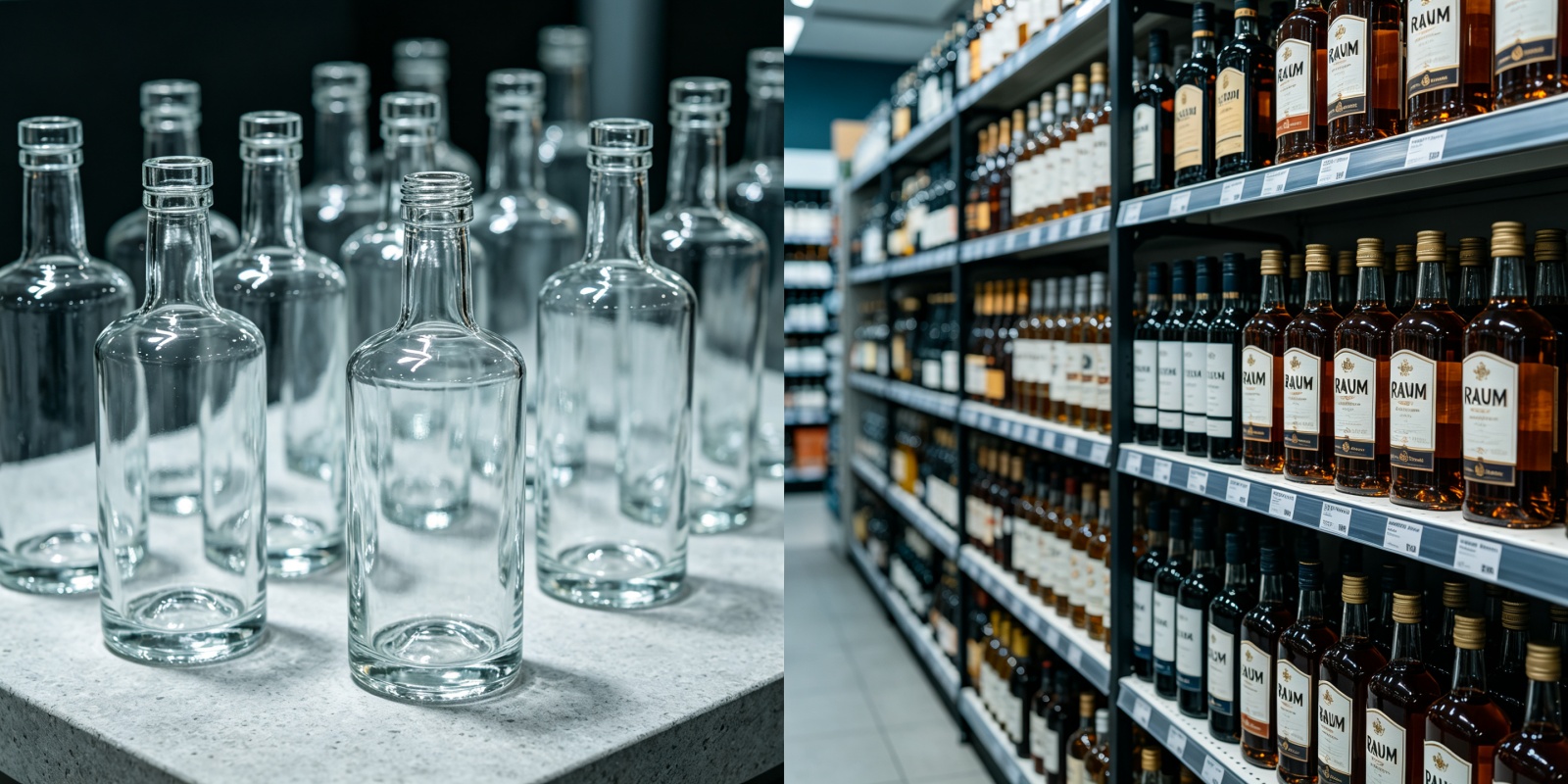
The client is a spirits import and distribution company based in Hamburg, Germany, specializing in Caribbean rum. They supply approximately 400 retail outlets across Germany and Austria. Their annual import volume was around 120,000 rum bottles, using a standard 700ml square bottle with a long neck and cork finish.
For a spirits importer at this scale, the bottle is not just a container — it is the product's first point of physical contact with the consumer. Inconsistent glass quality directly affects filling line efficiency, transport safety, and shelf presentation. This is why so many European spirits brands now prioritize working with a reliable custom glass bottle manufacturer rather than chasing the lowest quotation.
3. The Challenge
The client's previous supplier performed well during the sampling stage. But once mass production began, systemic problems emerged:
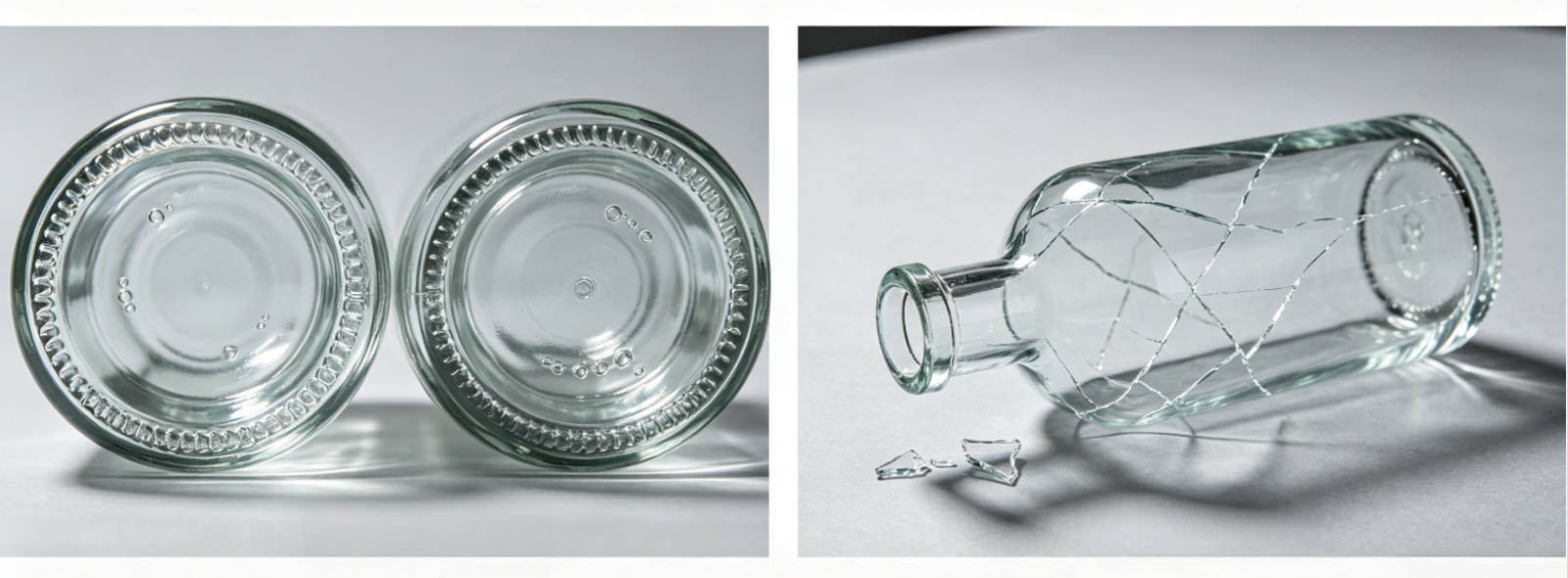
- Inconsistent glass thickness: One side of the bottle body was noticeably thinner, causing frequent breakage on the filling line. This is a common defect when glass distribution is not properly controlled during the forming process.
- Excessive bore tolerance: The internal diameter of the bottle mouth had too much variation, leading to unstable cork sealing. Some products leaked during transport — a serious issue for any premium rum bottle.
- High batch rejection rate: The rejection rate hovered between 12% and 15% for over two years. The client estimated annual sorting and return costs exceeded €18,000.
- No inspection reports: The supplier could not provide dimensional inspection reports for each batch, making it impossible for the client to trace problem batches or hold anyone accountable.
The client's procurement manager summarized the frustration:
This is a familiar story in the spirits bottle industry. Many factories can produce a perfect sample. Far fewer can reproduce that sample consistently across hundreds of thousands of units. For a rum bottle importer dealing with cork finishes and high-speed filling lines, consistency is not a nice-to-have — it is the baseline requirement.
4. The Solution
When we took over the project, we did not rush to quote. Instead, we spent the first two weeks diagnosing the root causes. Our approach focused on three critical areas: glass thickness control, bore tolerance, and annealing stress elimination.
We asked the client to send us broken bottle samples from the previous six months, along with their filling line parameters. By analyzing the fracture positions and stress points, we confirmed that breakage was primarily caused by two factors: uneven wall thickness distribution and insufficient annealing.
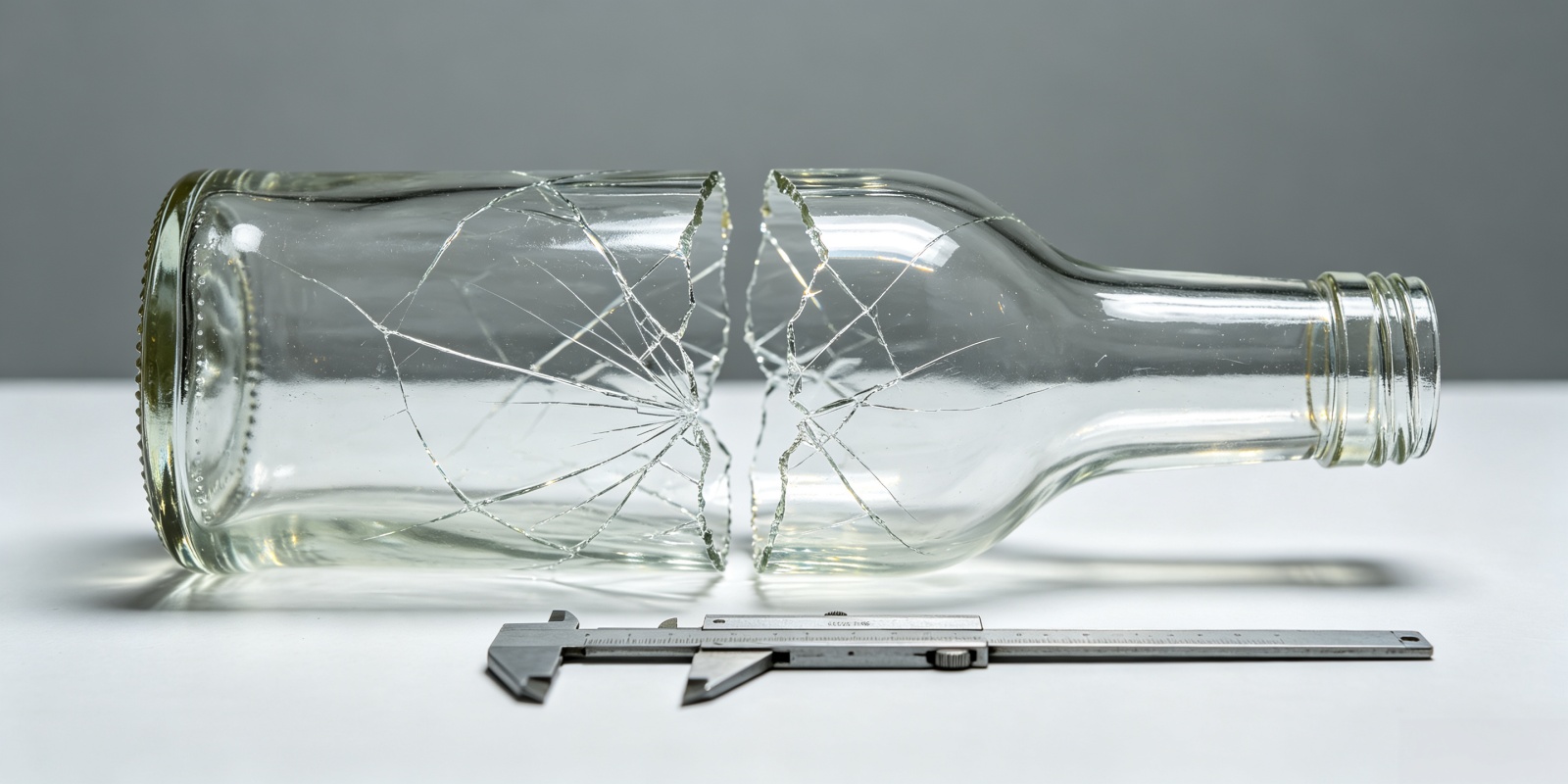
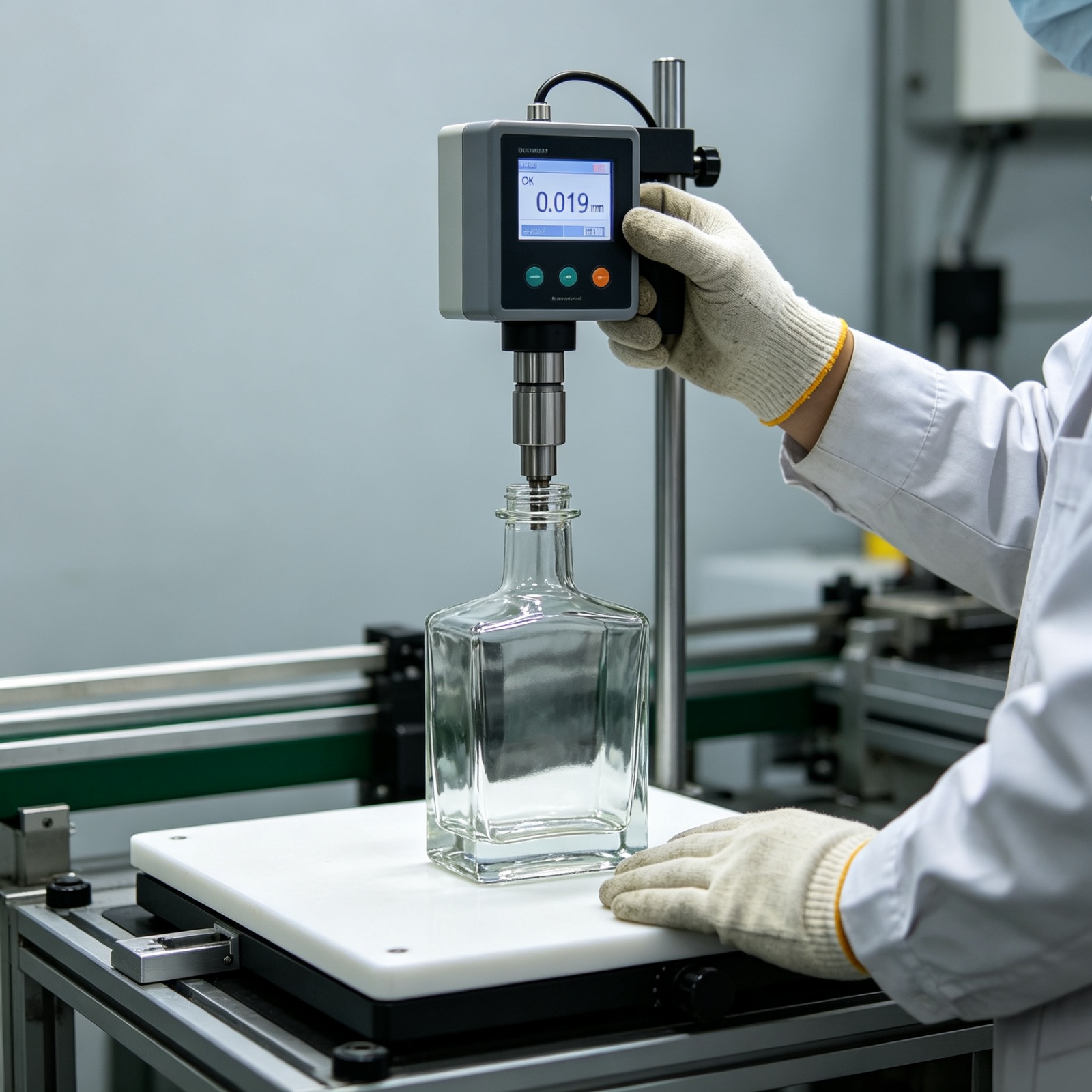
We recalibrated the mold's neck ring area. The internal diameter tolerance was tightened from ±0.8mm to ±0.3mm. During production, we implemented 100% bore inspection using an air gauge — every single bottle's mouth diameter is measured, not just a random sample.
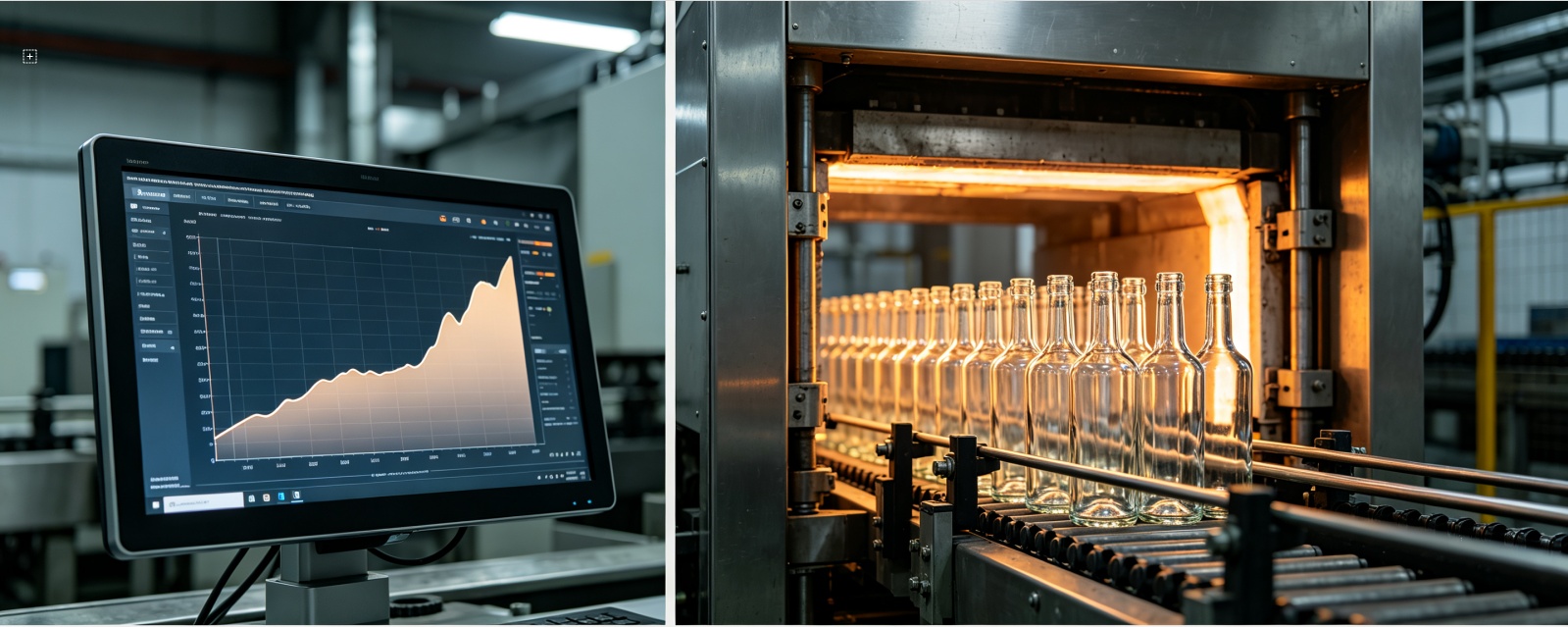
We adjusted the annealing lehr's temperature curve and extended the annealing time. This eliminated internal stress in the glass, significantly reducing the risk of breakage during transport and filling. Proper annealing is one of the most overlooked steps in glass bottle production.
Many factories rush the annealing stage to increase output, but the long-term cost shows up in the client's filling line. We did not cut corners here.
Batch Documentation Commitment
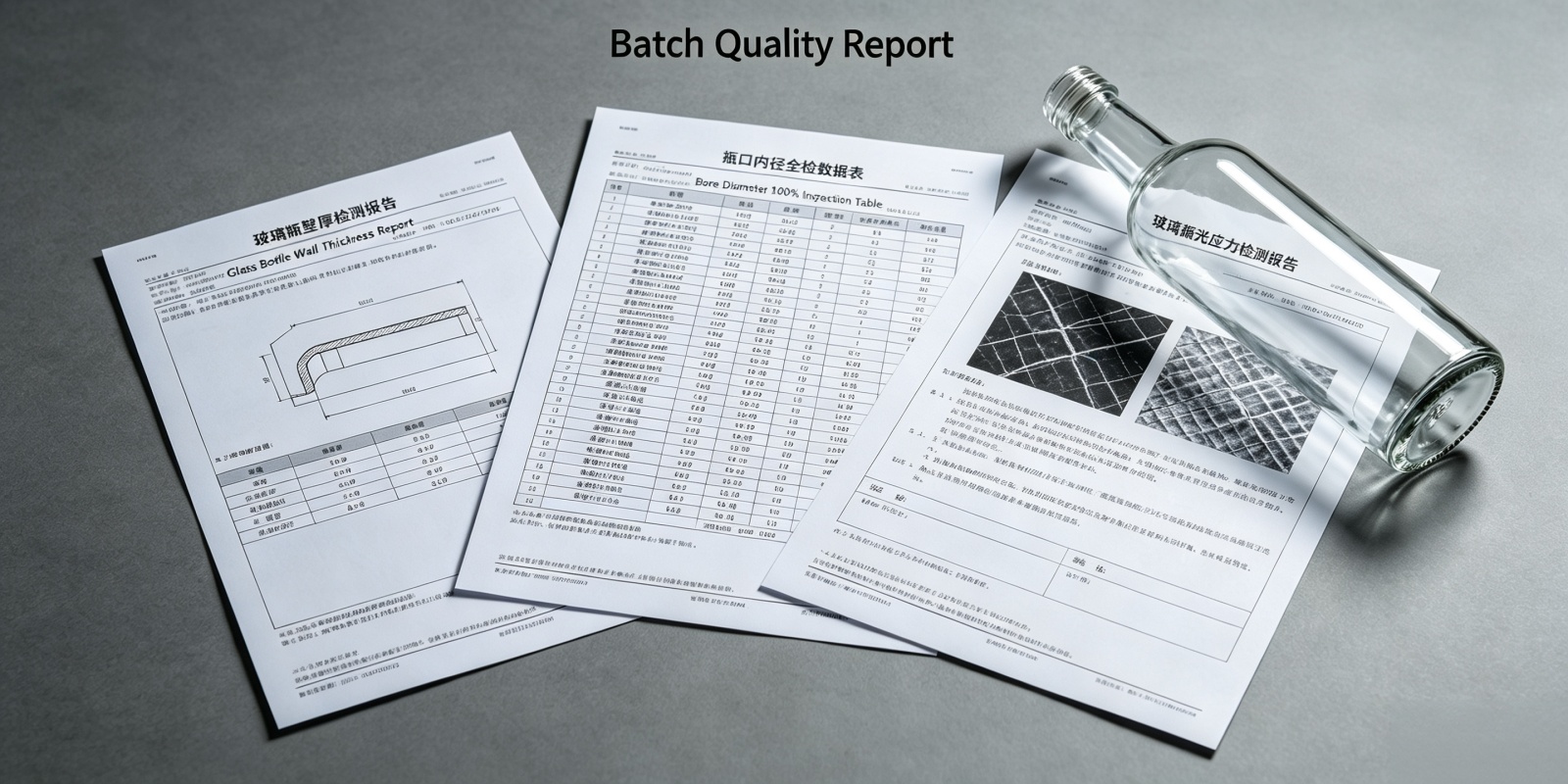
In addition to process improvements, we committed to providing the following documentation with every shipment:
- Wall thickness inspection report: 30 randomly selected bottles, measured at 6 points each.
- Bore diameter inspection report: 100% full inspection data summary.
- Annealing stress inspection report: Verified through polarized light testing.
- Retention samples: 5 bottles per batch, stored for 12 months for traceability.
This level of documentation is standard practice for a professional custom glass bottle manufacturer serving the spirits industry. It gives the client full traceability and turns quality from a promise into a verifiable record.
5. The Results
| Production Run | Rejection Rate | Status |
|---|---|---|
| Run 1 | 1.8% | Below 2% ✓ |
| Run 2 | 1.5% | Below 2% ✓ |
| Run 3 | 1.2% | Below 2% ✓ |
| Run 4 | 1.6% | Below 2% ✓ |
| Run 5 | 1.4% | Below 2% ✓ |
| Run 6 | 1.3% | Below 2% ✓ |
- Batch rejection rate: Across six consecutive production runs, the rejection rates were 1.8%, 1.5%, 1.2%, 1.6%, 1.4%, and 1.3% — all below 2%. Compared to the previous 12–15%, this represents a quality improvement of roughly 85%.
- Filling line efficiency: The client reported that breakage on the filling line dropped from 12–15 bottles per 10,000 to 1–2 bottles per 10,000. Filling speed increased by approximately 8%.
- Volume growth: In the second year of cooperation, the client increased annual purchase volume from 120,000 to 300,000 units and added two new bottle types. This growth was not driven by price — it was driven by the confidence that the bottles would perform consistently.
- Cost savings: The client estimated annual savings of over €15,000 in sorting and return costs alone.
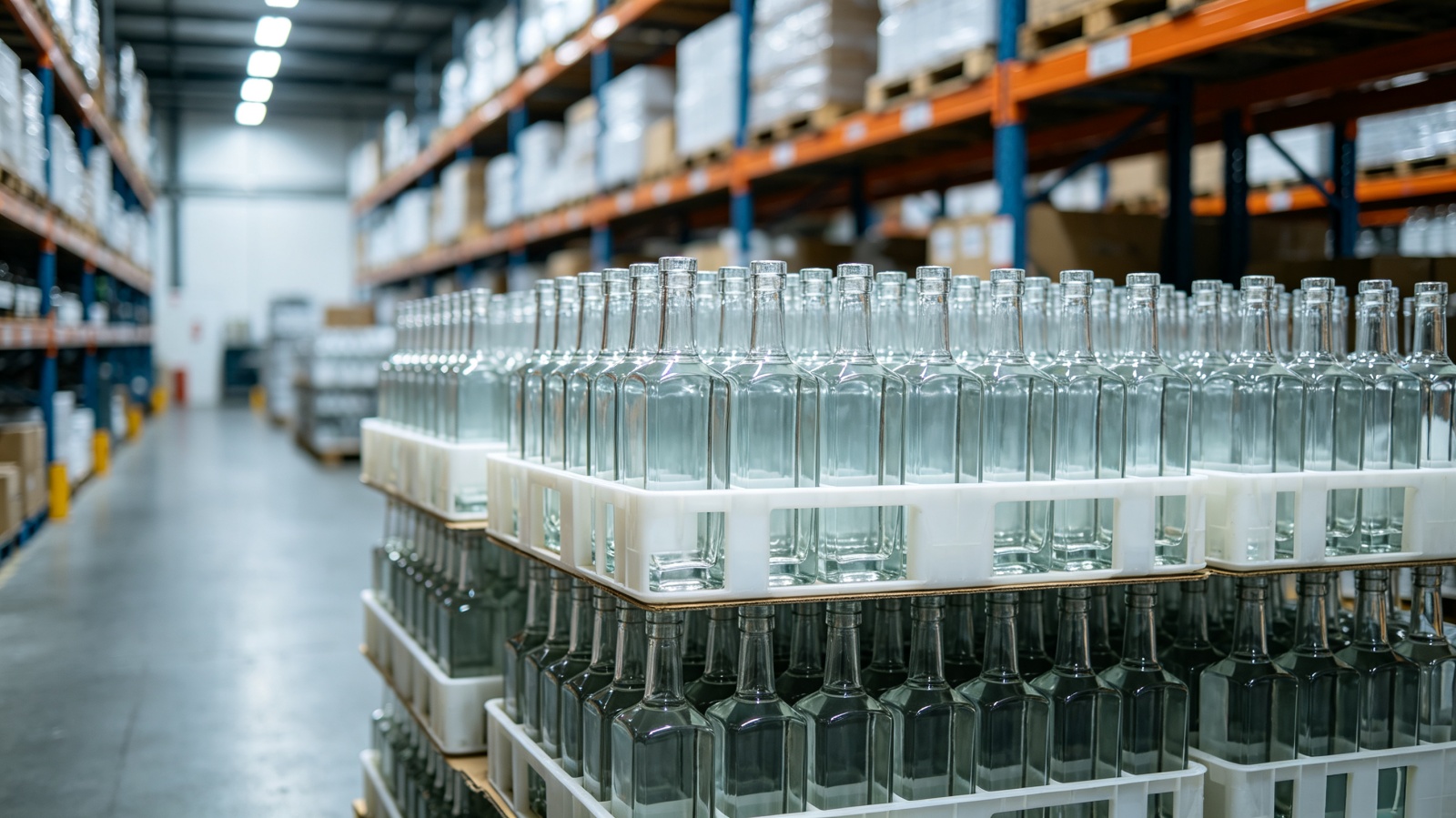
For any spirits brand or importer dealing with high-speed filling lines, these numbers matter more than a marginal price difference. A cheap rum bottle that breaks on the line or leaks in transit is never actually cheap.
6. Client Testimonial
7. Call to Action
Struggling with batch-to-batch quality inconsistency from your current glass bottle supplier? Send us your existing inspection reports or broken bottle samples. We will conduct a free process diagnosis and provide a tolerance tightening plan — no obligation, no generic sales pitch.
Whether you need a private label rum bottle, a custom spirits bottle with cork finish, or a long-term supply partner for private label liquor bottles, we focus on the metrics that actually matter: wall thickness consistency, bore tolerance, annealing quality, and documented traceability.
Send Us Your Broken Bottles or Inspection Reports
We will analyze your fracture patterns, measure your bore tolerance and provide a written tolerance tightening plan — no obligation, no generic sales pitch.